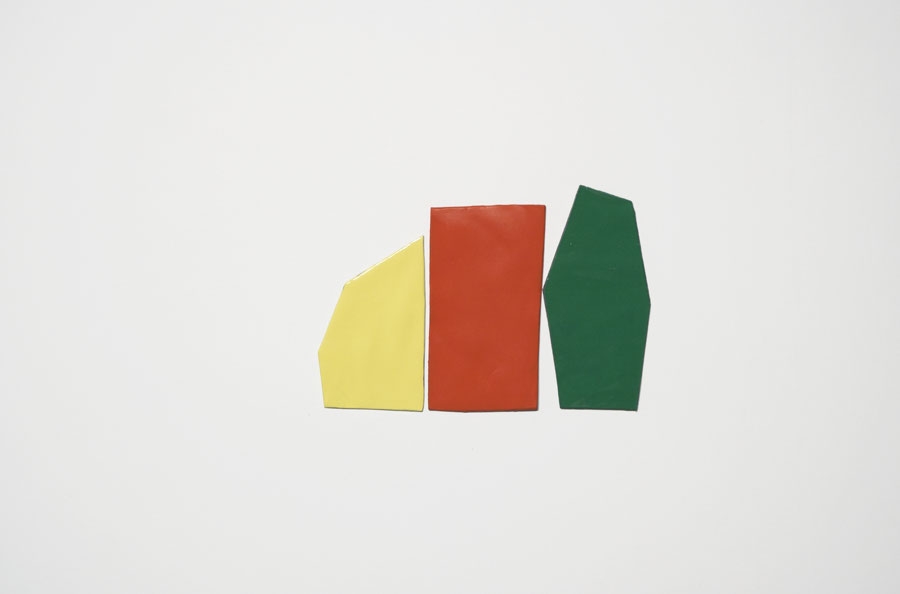
Known for his delicately improvised forms, materially inventive constructions, and refusal of stable categories, Richard Tuttle (b. 1941) has emerged as one of the most representative American artists of the postwar period, working in the interstitial spaces between painting, sculpture, drawing, textile, and poetry. Over six decades, he has expanded the expressive possibilities of humble materials—paper, wire, cloth, wood, string—treating traditional genres as points of departure for open-ended investigations into perception, scale, and the structures of language. His early encounters with the artistic milieu surrounding Pop and Minimalism provided a foundation for a lifelong practice rooted in reinvention, one in which small, precise gestures catalyze complex aesthetic and philosophical effects. Throughout his career, Tuttle has challenged conventional boundaries while cultivating an art of intimate immediacy, demonstrating how the slightest shift in line, form, or material can transform the space of experience.
Courtesy of Pace Gallery