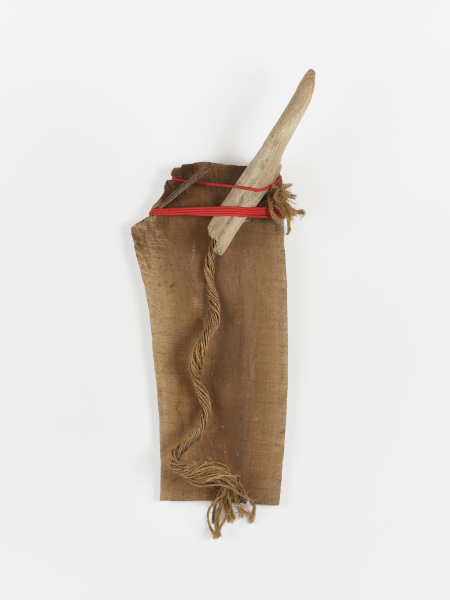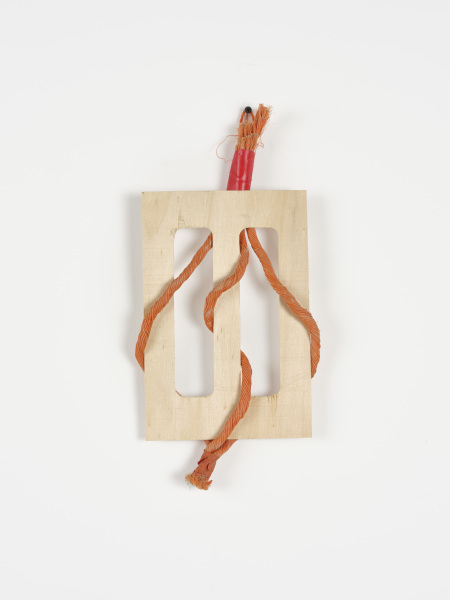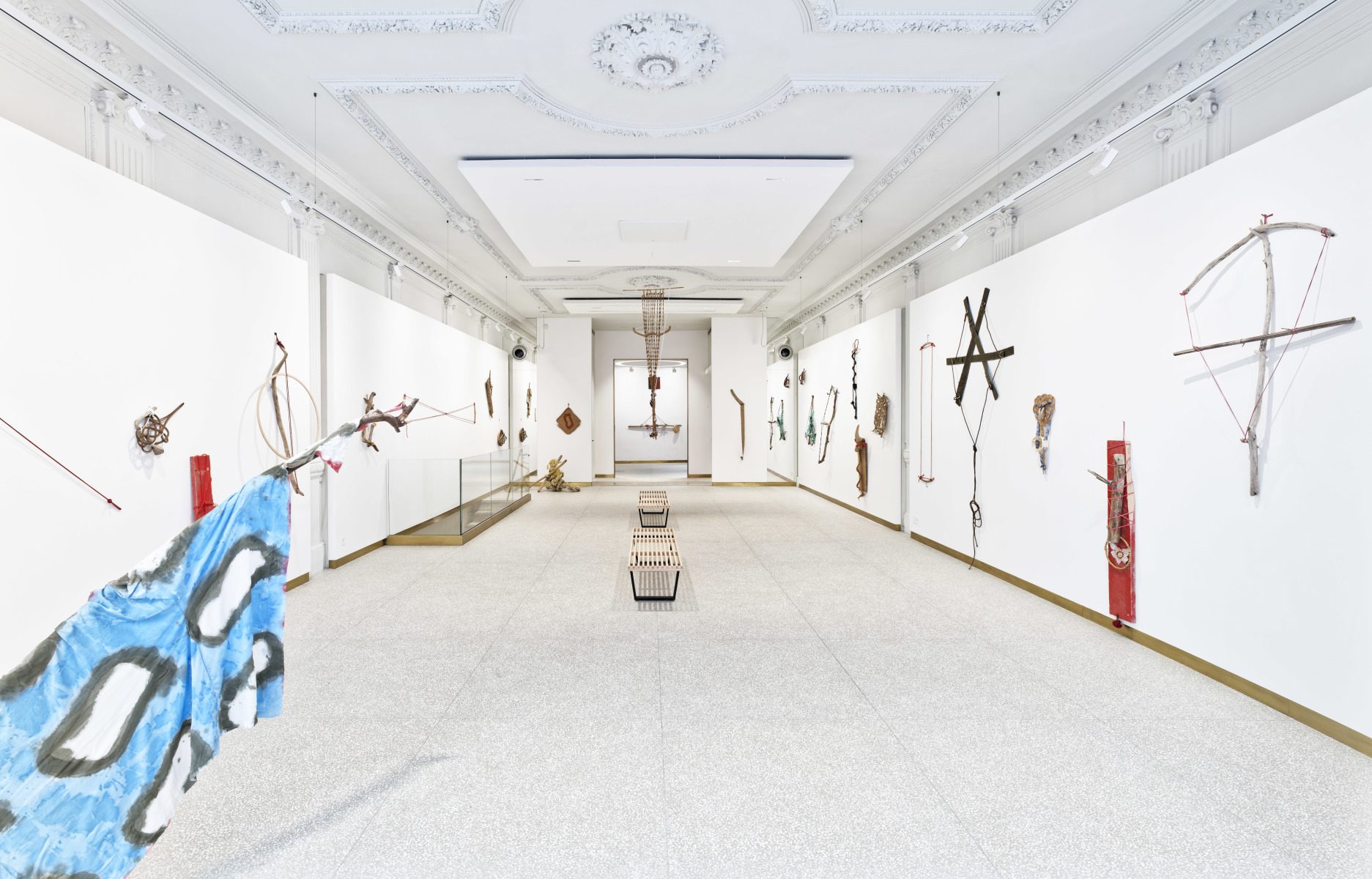
Excerpts from a text by Bernard Ceysson written for the exhibition Item :
[…] Claude Viallat is not a visionary artist of a bright future where art would be over. This creation is one of repetition, defining its own time as the space covered by the impregnator extends.
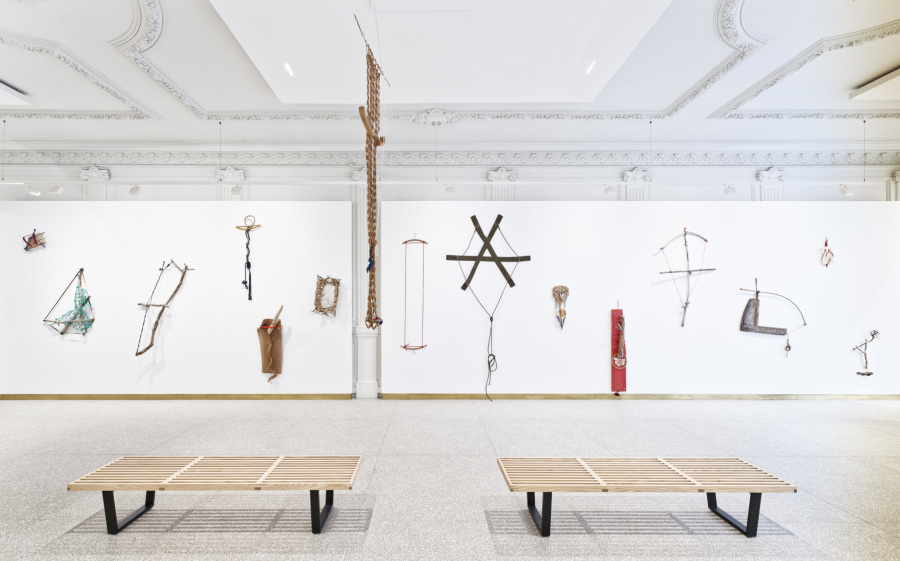
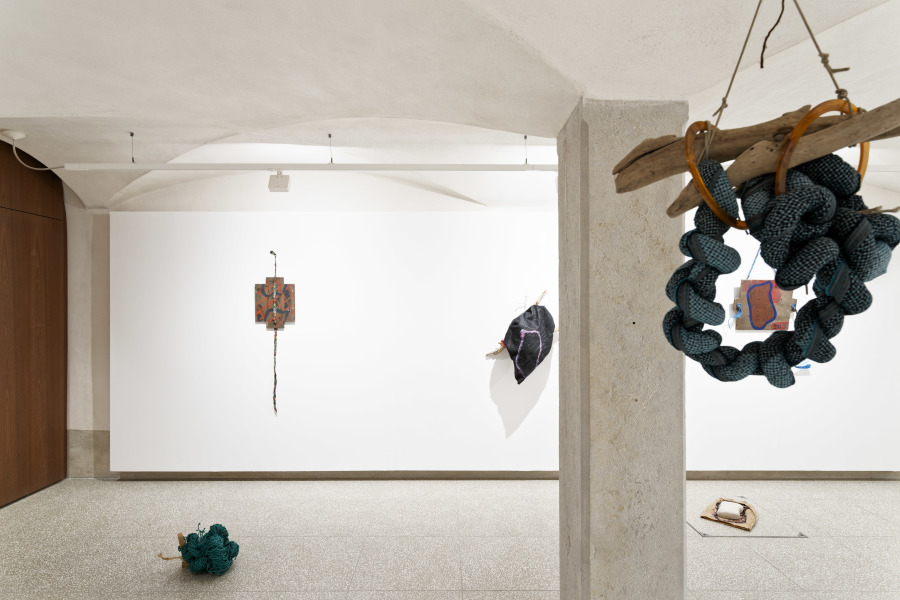
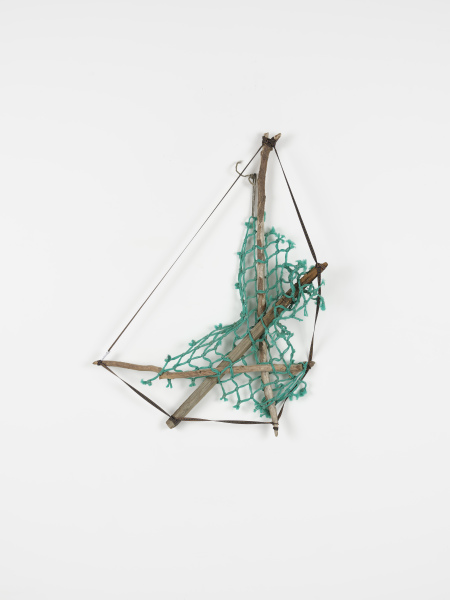
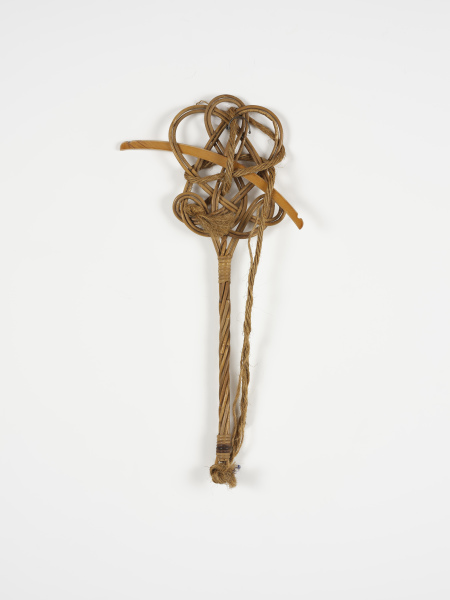
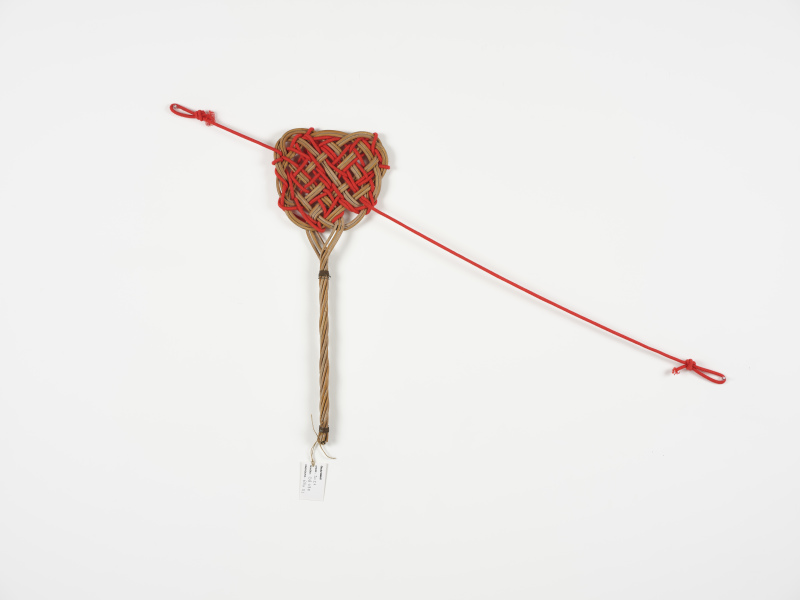
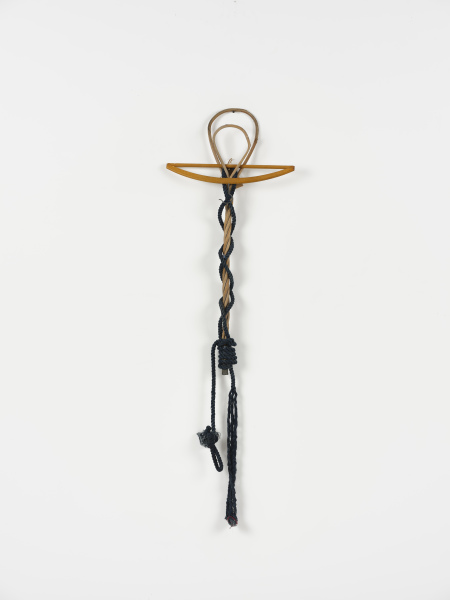
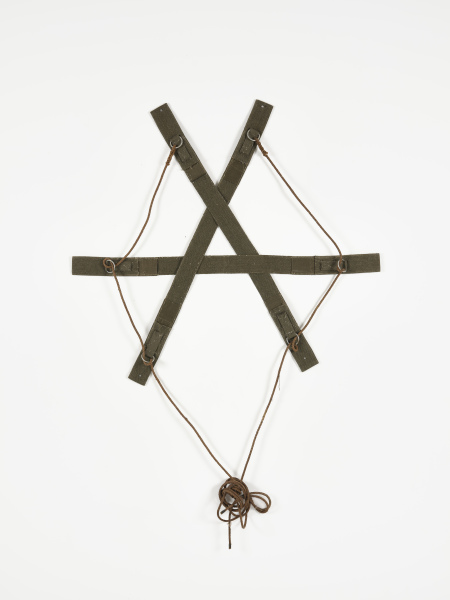
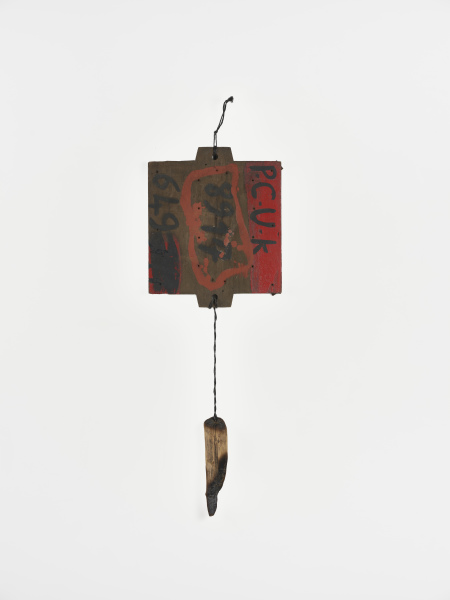
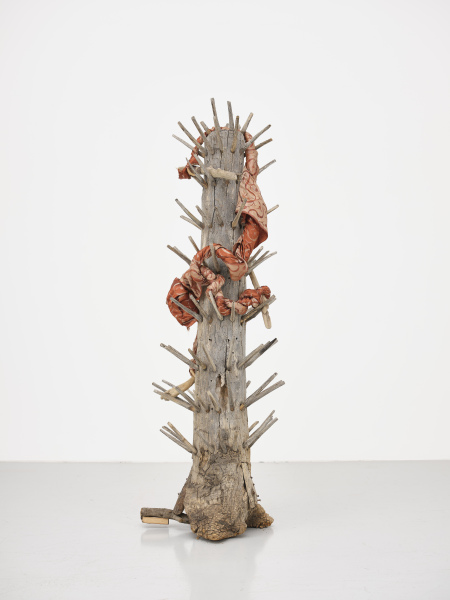
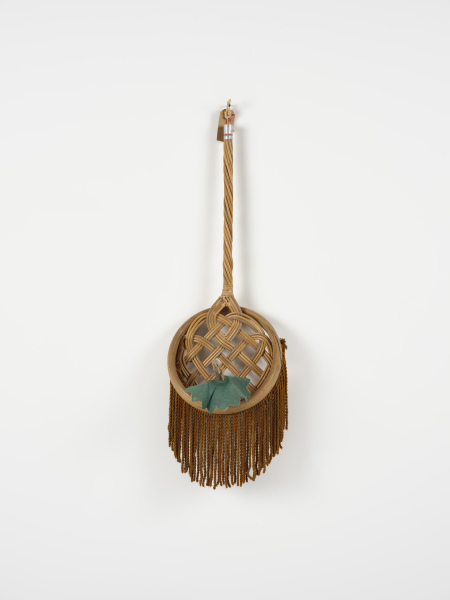
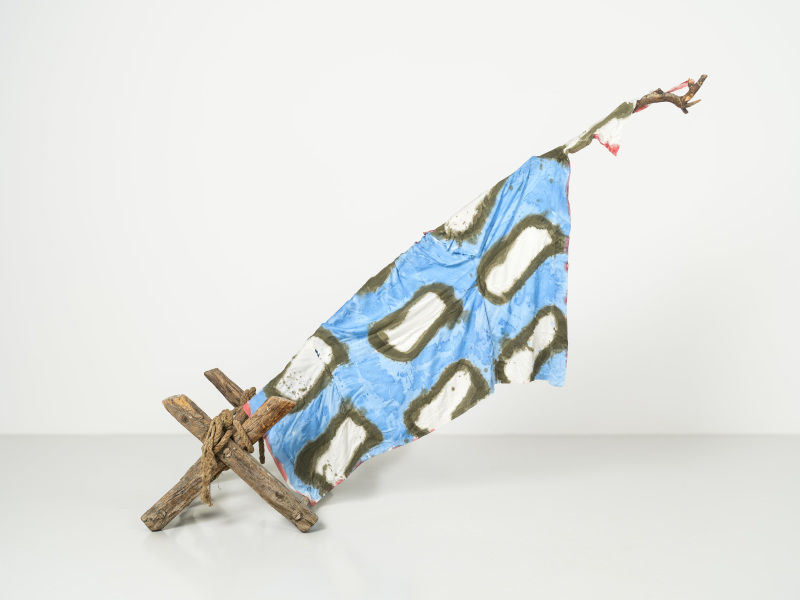
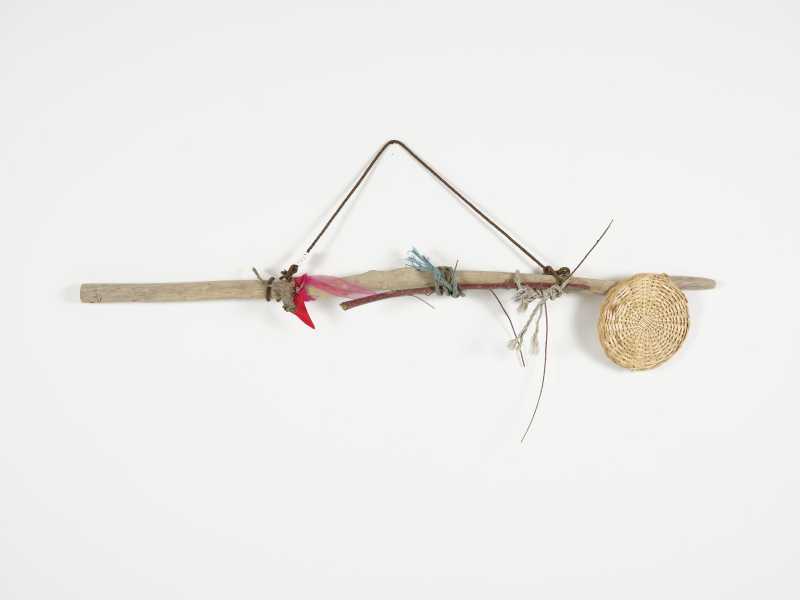
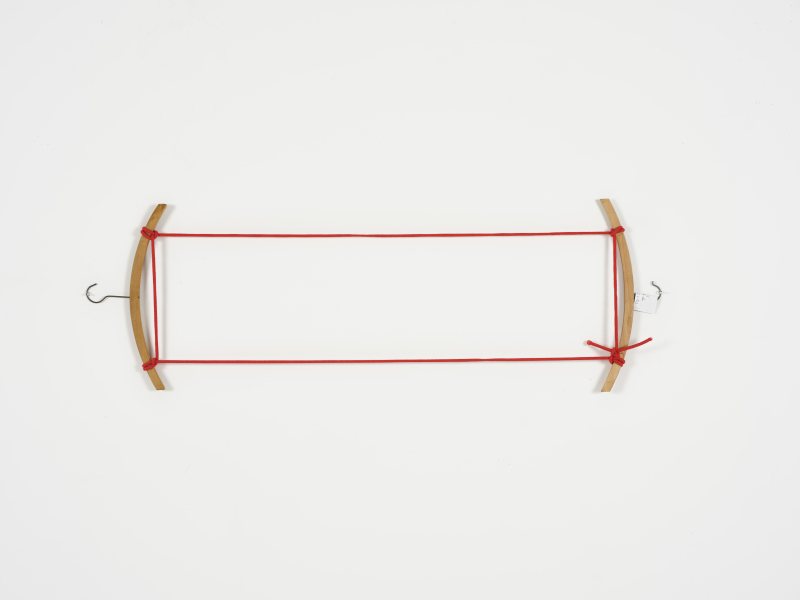
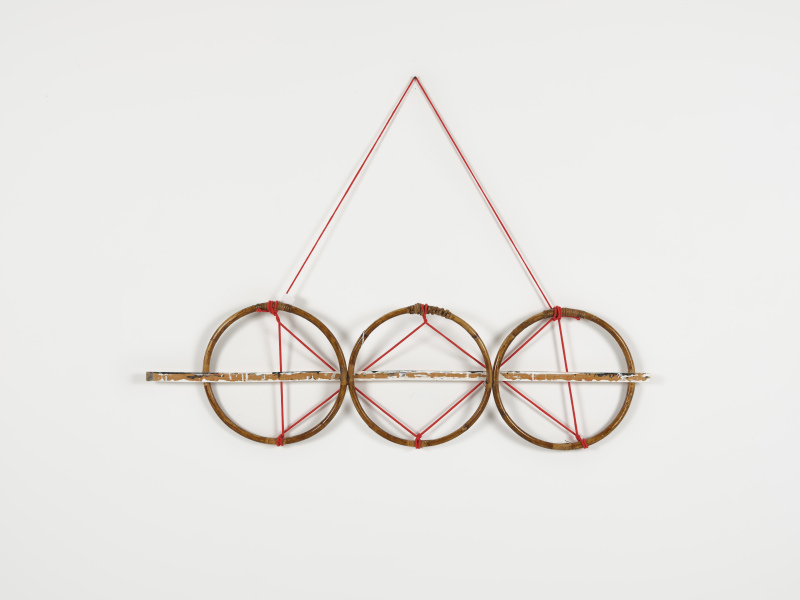
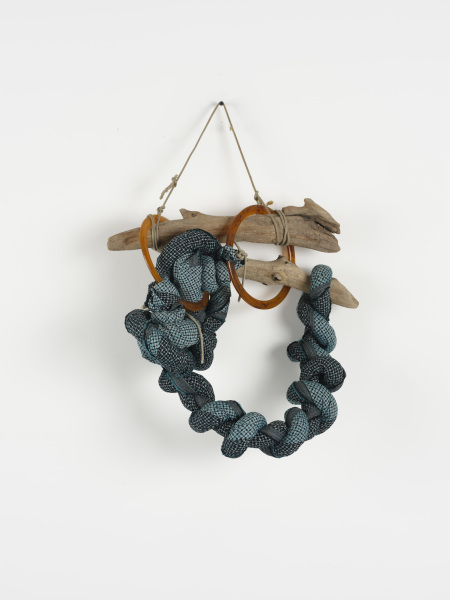
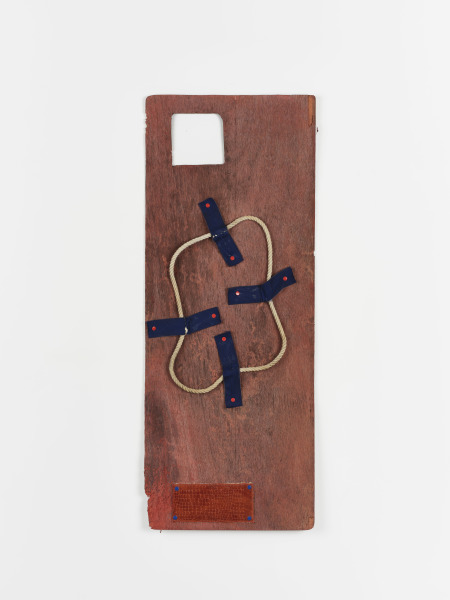
[…] Claude Viallat creates these objects with his own hands, without the help of tools, without what Michel Guérin refers to as "a third hand." Just as perhaps the first hominids did? But one can assume they quickly used whatever was within their reach to break, cut, or pierce. What Claude Viallat is experimenting with are the limits, as he has done, does, and redoes in painting, of the status of what he creates: an object or a work of art each time brought back to an uncertain origin of knowledge.
[…] In his cognitive approach, Claude Viallat does not view his objects as merely those that emerged from prehistory, uncovered by archaeological excavations. They are, for him, first and foremost evocative of those made by primitive societies in survival, withdrawn into a self-sustaining economy to protect themselves from the invasive modernity of civilization. In this sense, his objects pertain to a daydream, a sort of universal imaginary anthropology. He connects his production of objects less to a return to prehistory than to the emergence of architecture based on tying, braiding, and assembling.
[…] The making of such objects, Claude Viallat assured me, does not require artisanal knowledge. It belongs to a practical knowledge, which allows me to view them as suited for shamanic, magical, or ritualistic purposes. Most of the objects crafted by his hands using precarious components are first objects for survival, defense, hunting, and attack: traps, mostly, derived from what Claude Viallat calls "the principle of the bow, counterweight, and torsion." All of these objects exist only because of the balance stabilizing the assemblage of their material components.
Bernard Ceysson
February 2025