“Our movement was also a movement of revolt, social as well as esthetic.” Supports/Surfaces was looking for a means of “revolting against the art world and the world in general without having to make anti-art.” — Daniel Dezeuze
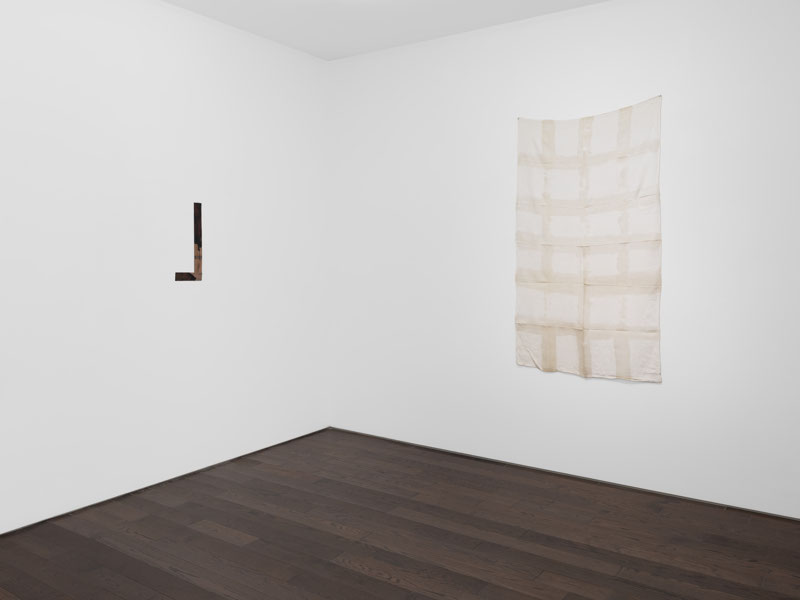
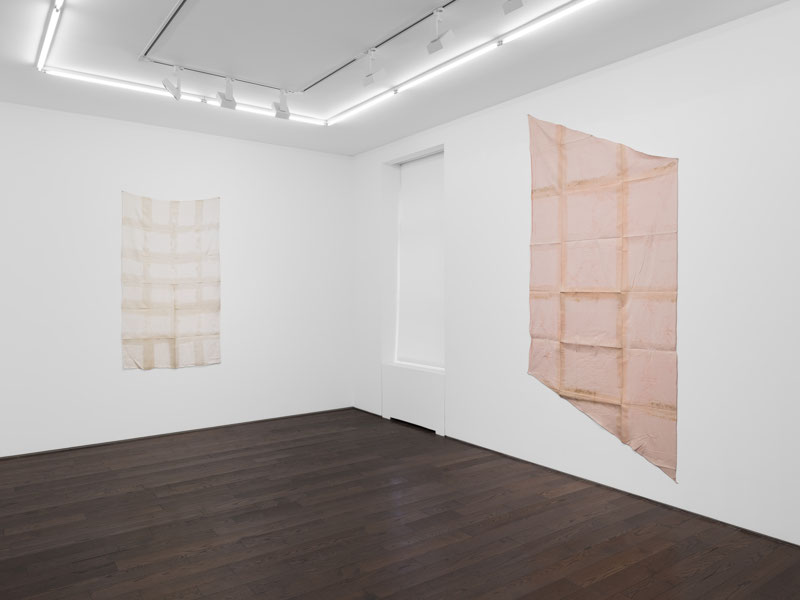
The gestures were simple: folding, draping, repeating — yet a group of French painters turned them into a form of revolt. The artists associated with what would become known as Supports/Surfaces shunned illusionism, artistic orthodoxy, and the commodification of art in favor of color, surface, and support. The resulting artworks are provisional and open-ended, while remaining stubbornly rooted in material. Drawn from the 1960s and 1970s, this exhibition revisits the urgency of a moment when abstraction itself became a site of resistance.
Emerging in the aftermath of Art Informel and under the shadow of Greenbergian formalism, Supports/Surfaces sought a way out of both expressionist subjectivity and the modernist drive toward medium specificity. Instead of pursuing pictorial refinement or purity, they embraced the resistance that material "things themselves" pose to aesthetic hierarchies. In the wake of May 1968, with its barricades and occupations, the stretched canvas became a symbol of authority and a relic of the establishment. By turning to unstretched fabric, dye, and improvised tools, these artists unsettled painting’s conventions, allowing structure to yield to gesture.
Cutting, staining, and draping became forms of subtle, often playful rebellion, infused with labor, domestic life, and collective experimentation. Their use of modest materials — rags, sheets, ropes, and plastic — rejected the polish of the marketplace, emphasizing touch, process, and ephemerality. With a portable, nomadic spirit, works were often the result of day trips and displayed outdoors on beaches, in fields, hung from or leaning against buildings in town squares — fragile banners of autonomy and renewal.
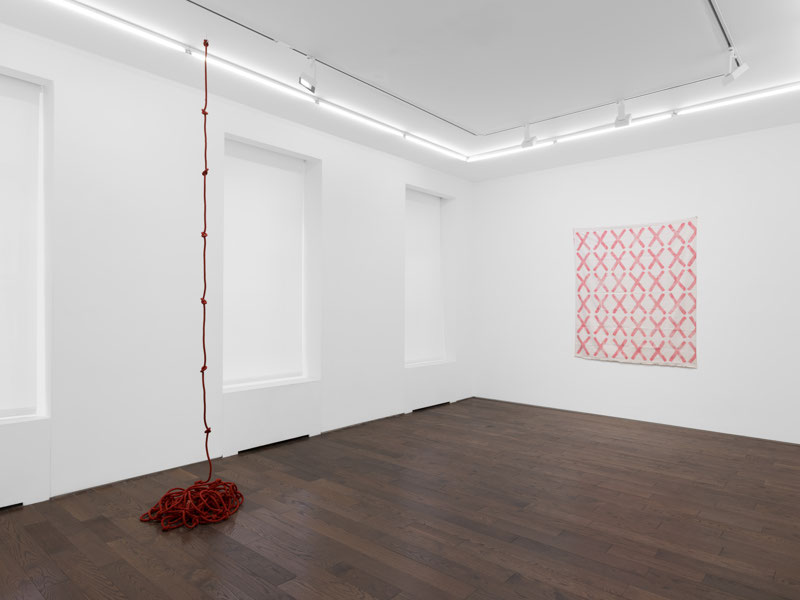
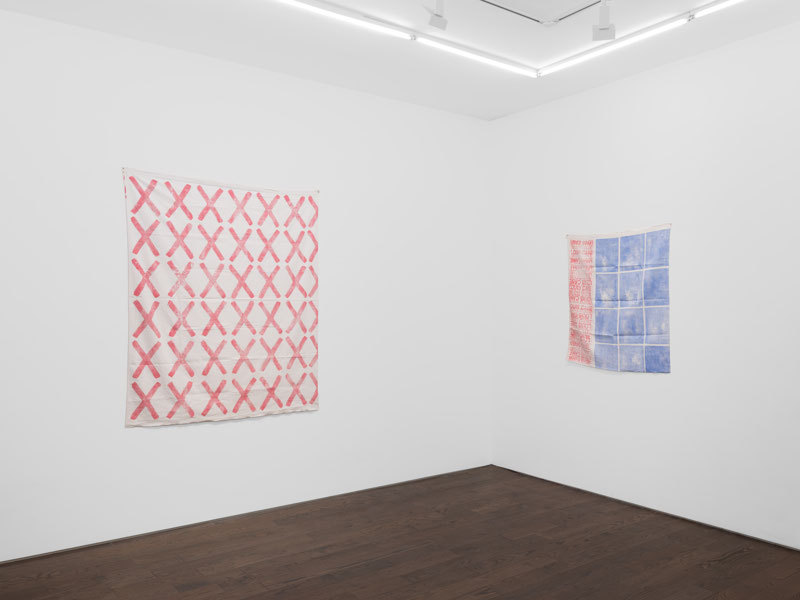
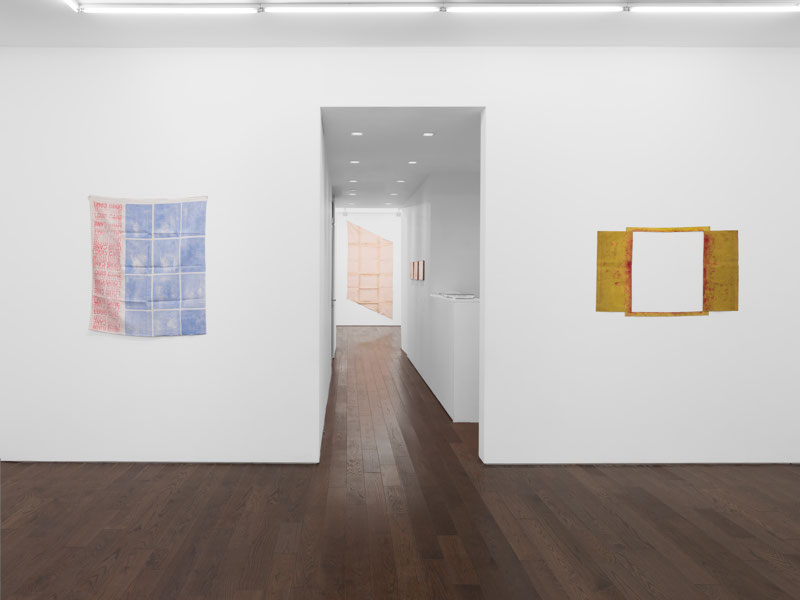
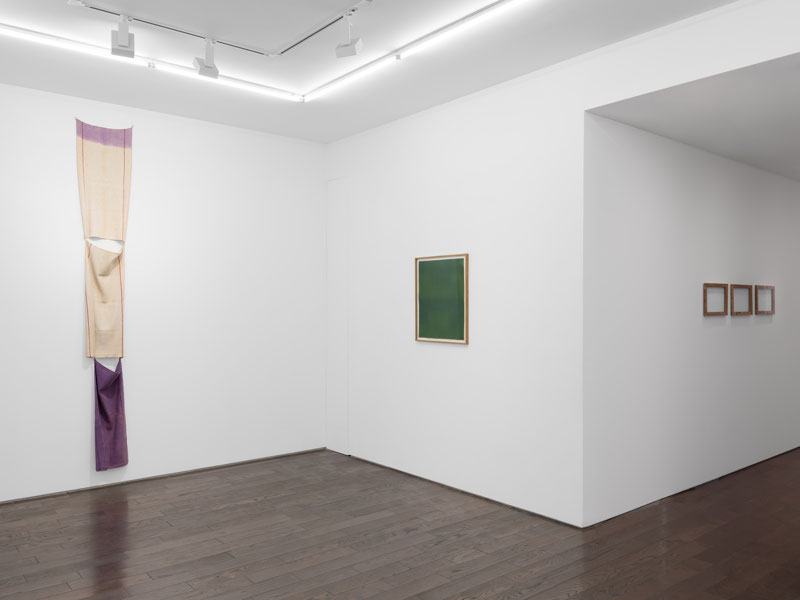
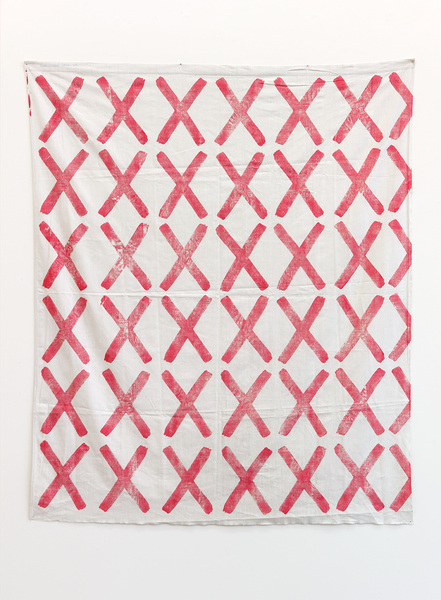
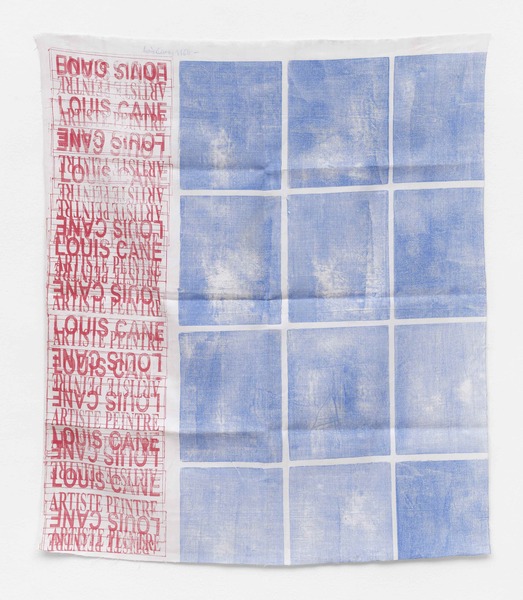
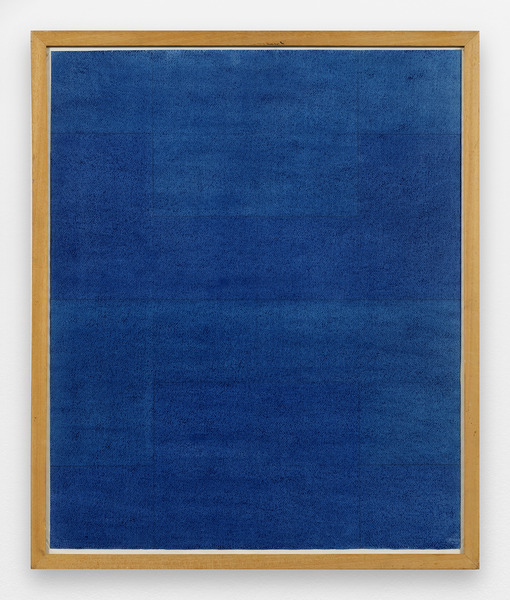
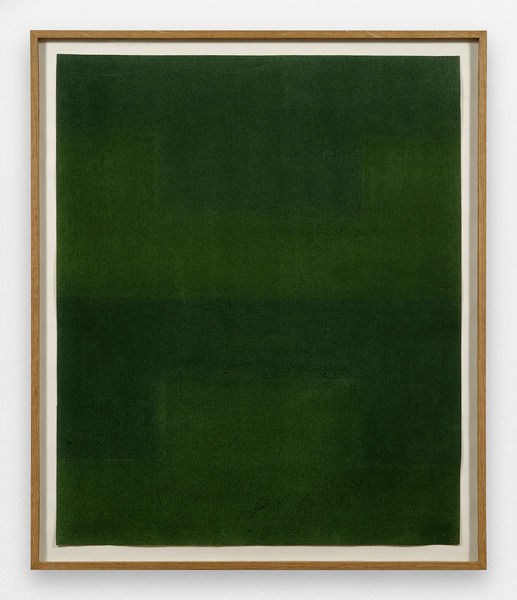
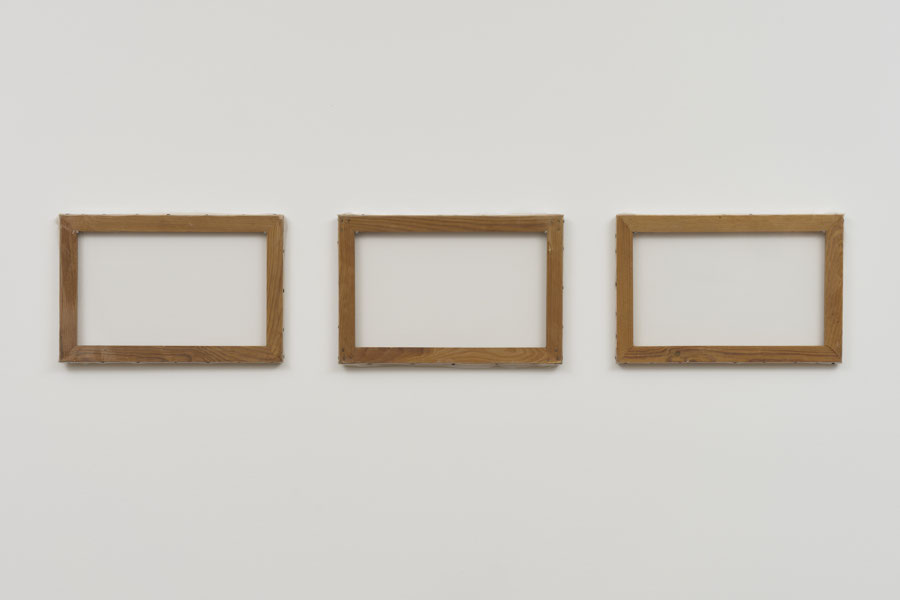
Louis Cane, Marc Devade, and Daniel Dezeuze each approached painting as something to be unmade and remade. In Toile tamponnée (Stamped Canvas), 1966, Cane replaced the brush with a stamp, covering the surface in rows of red X’s, a mechanical imprint that denies expression while affirming structure. In their restraint, these marks transform repetition into a quiet defiance, laying bare the labor of making while challenging the myth of the artist as genius. As both painter and editor of Peinture, Cahiers Théoriques, Devade believed that color could serve as a site of reflection, a “thinking material.” His two ink on paper monochromes from 1975 and 1979, one forest green and the other royal blue, embody this belief through their depth and stillness. For Devade, ink, unlike oil, does not sit on the surface; it seeps through, becoming inseparable from its support. Dezeuze’s Châssis (1973), three small stretcher frames sheathed in translucent plastic, distills painting to its most basic parts, revealing an ethic of economy and openness.
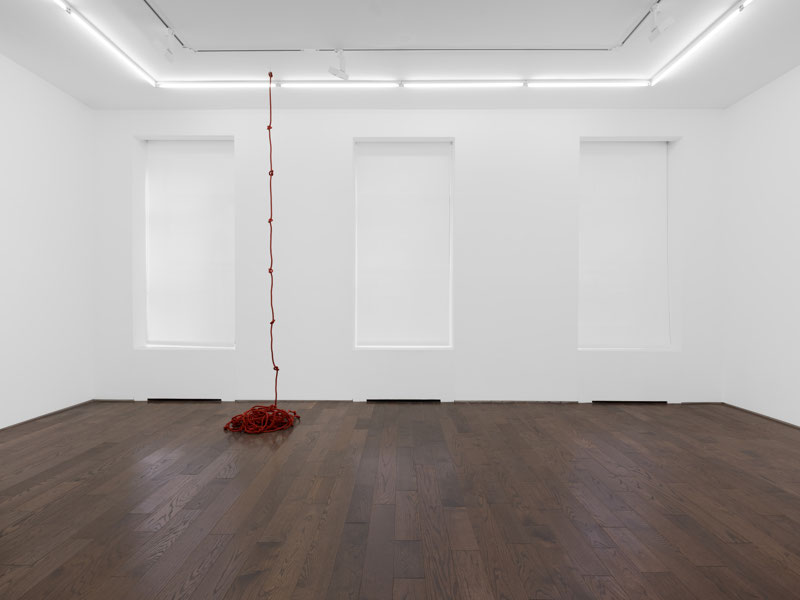
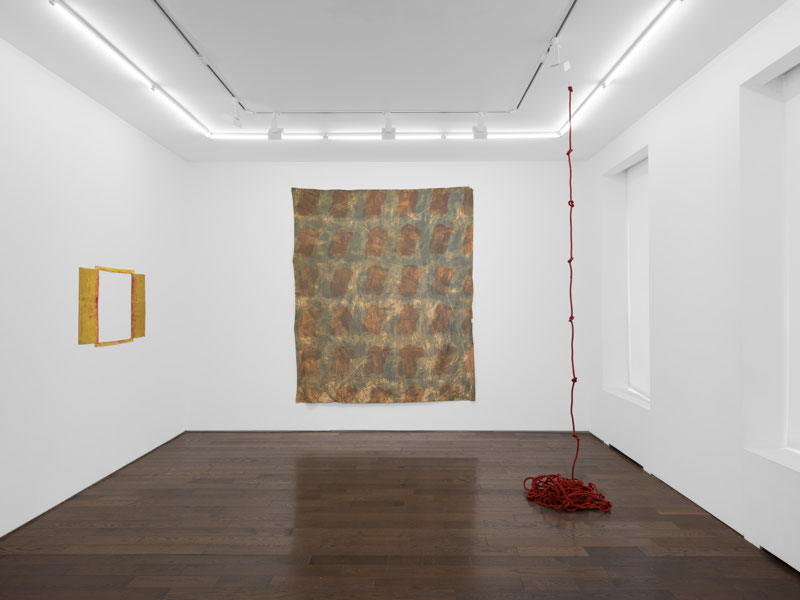
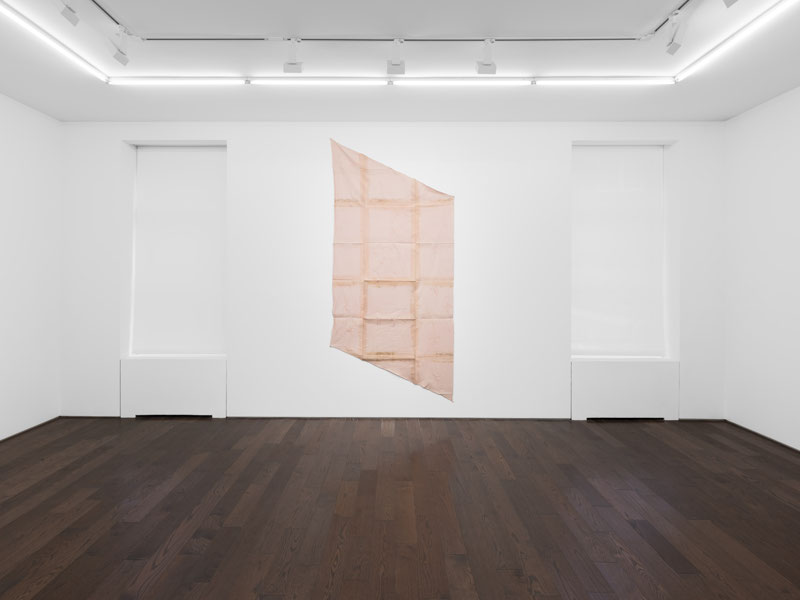
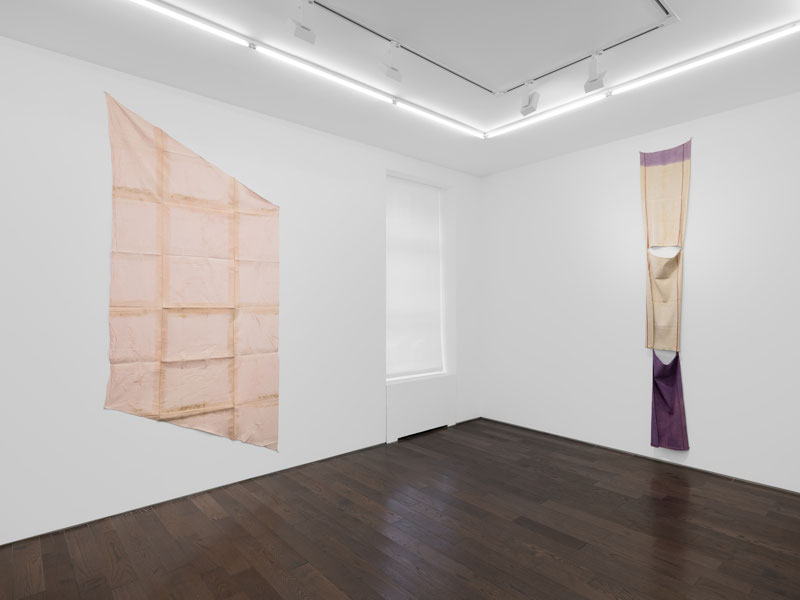
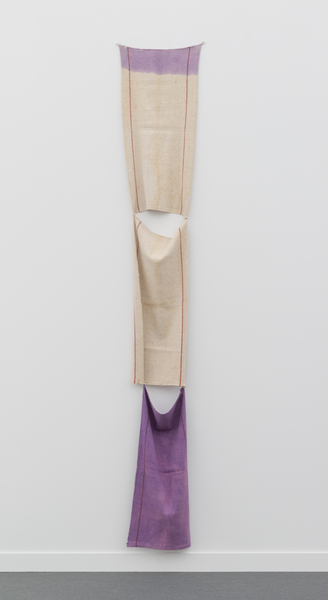
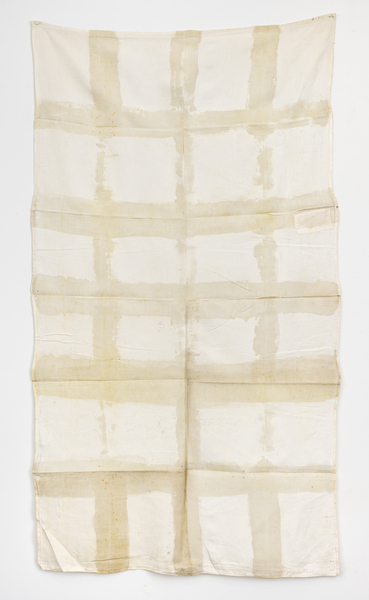
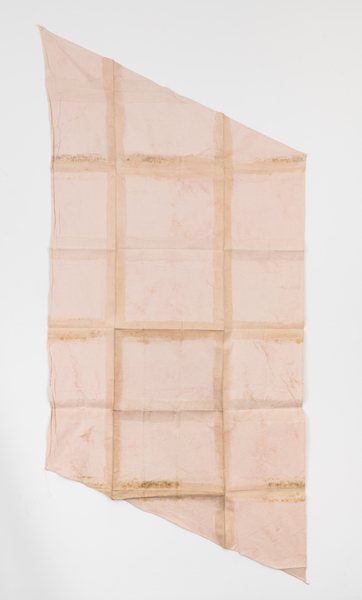
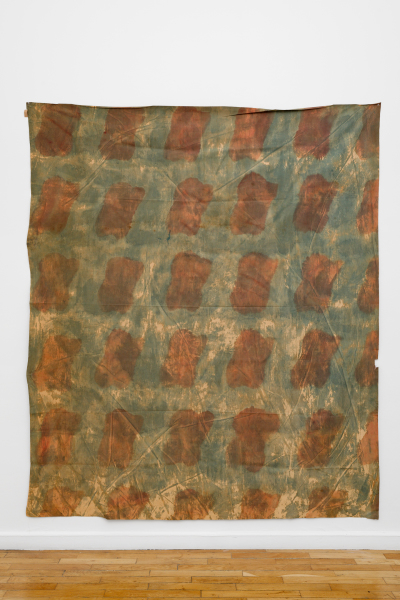
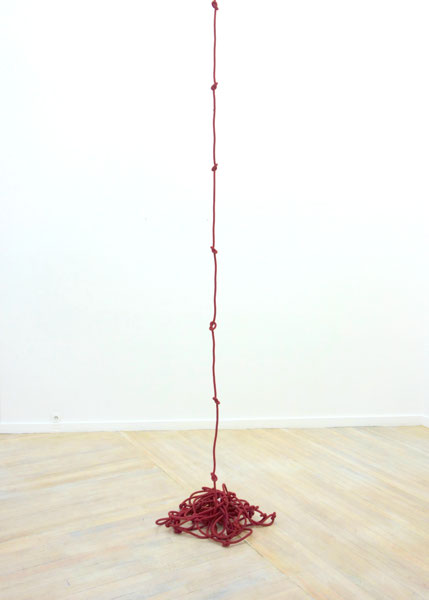
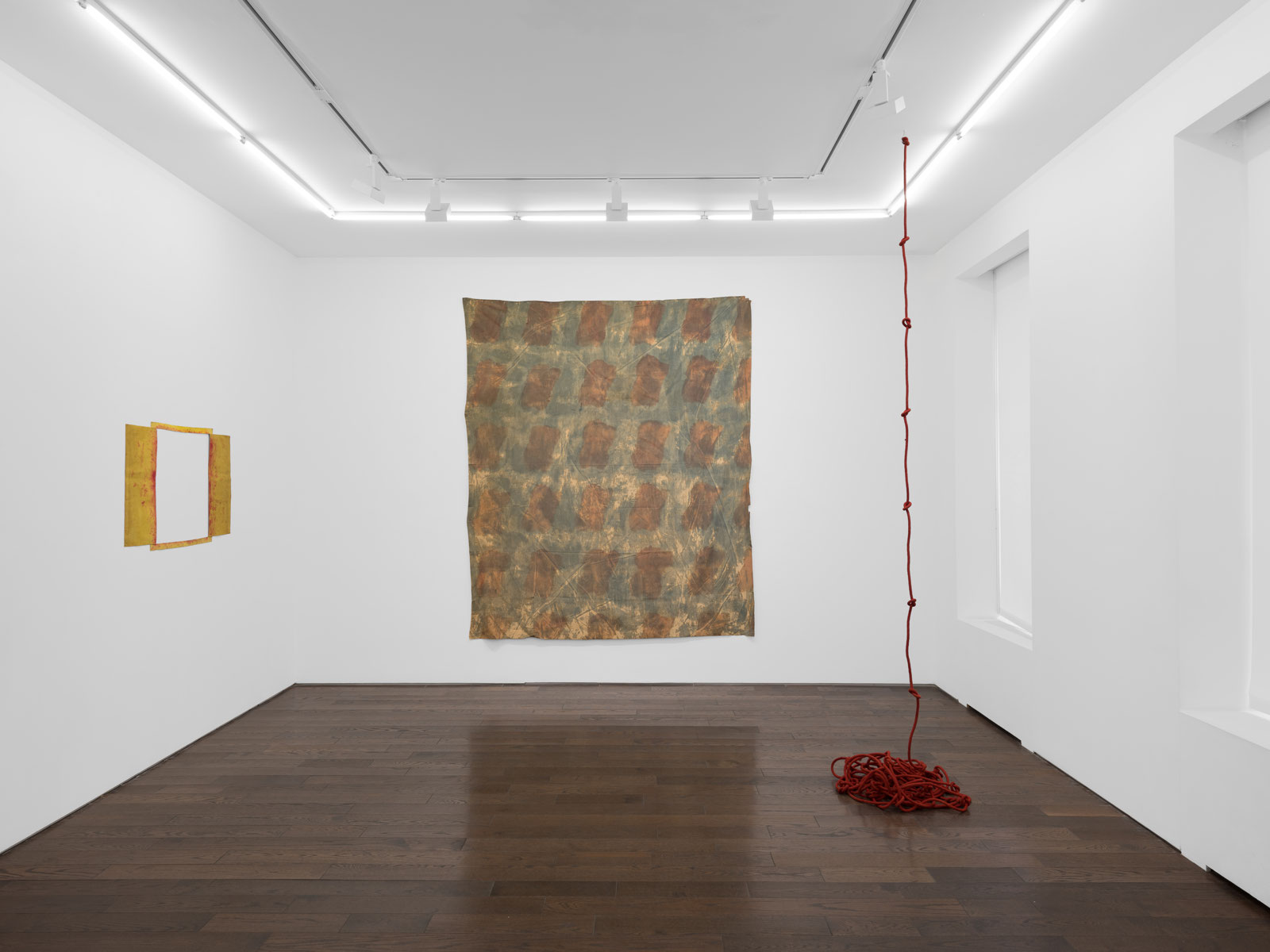
Noël Dolla, Patrick Saytour, and Claude Viallat pursued painting as an ongoing experiment in gesture and material. Dolla’s Étendoir aux serpillières (Drying Rack for Cleaning Cloths), 1968, suspends three connected rags with edges dipped in purple. Drawing on the materials and motions of daily life, the work transforms the painter’s gesture into one of lived experience, merging labor and aesthetic intent. In Pliage (Folding), 1967, Saytour approaches painting as a choreography of folding and unfolding — simple, repeatable acts that destabilize compositional order. The fold becomes both memory and trace, extending his pursuit of an art grounded in process rather than representation. Viallat’s rope, dyed and knotted at regular intervals, and his 1975 / 205, a blanket-like expanse stenciled in burnt orange across an ochre and military green ground, dissolve hierarchy into rhythm. Through these works, painting aligns itself with the everyday — artisanal, improvised, and sustained through repetition.
“In spite of their later denunciations of the American art system, the painters of Supports/Surfaces were working, at least initially, with a vocabulary strongly accented by contemporaneous American art concerns.” — Raphael Rubinstein, The Painting Undone: Supports/Surfaces
Half a century later, these works remain urgent, both homage and a reminder. They show us that dissent is not a moment but a practice, enacted in materials and gestures as much as in words and keystrokes. In an era marked by renewed authoritarianism and social fracture, the fold, the drape, and the repeat become metaphors for persistence — fragile yet enduring, open yet insistent. These works remind us that abstraction, far from exhausted, can still carry risk, critique, and power, found in the resistance of matter itself.
Sean Horton, October 2025
Drop-in Opening on Saturday, November 8, from 11 am – 6 pm.