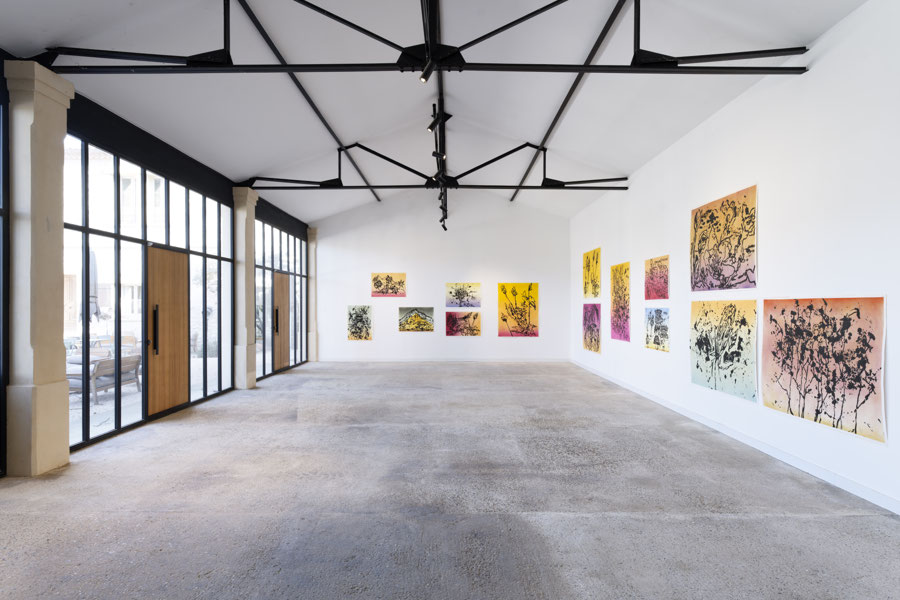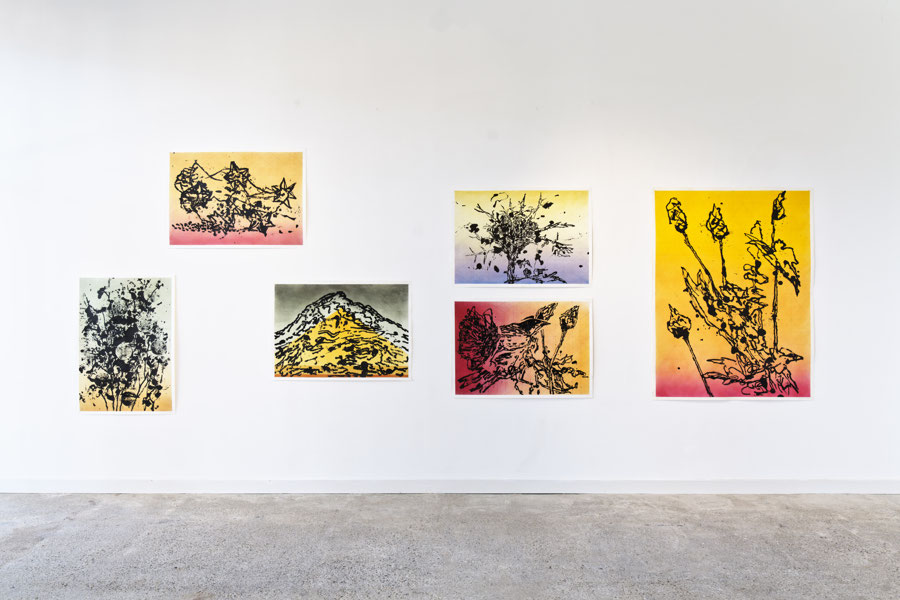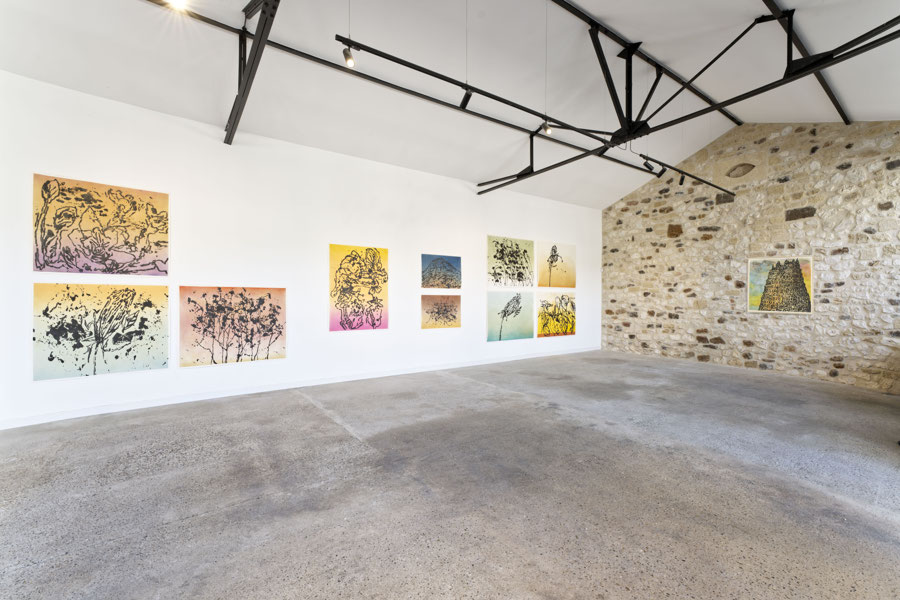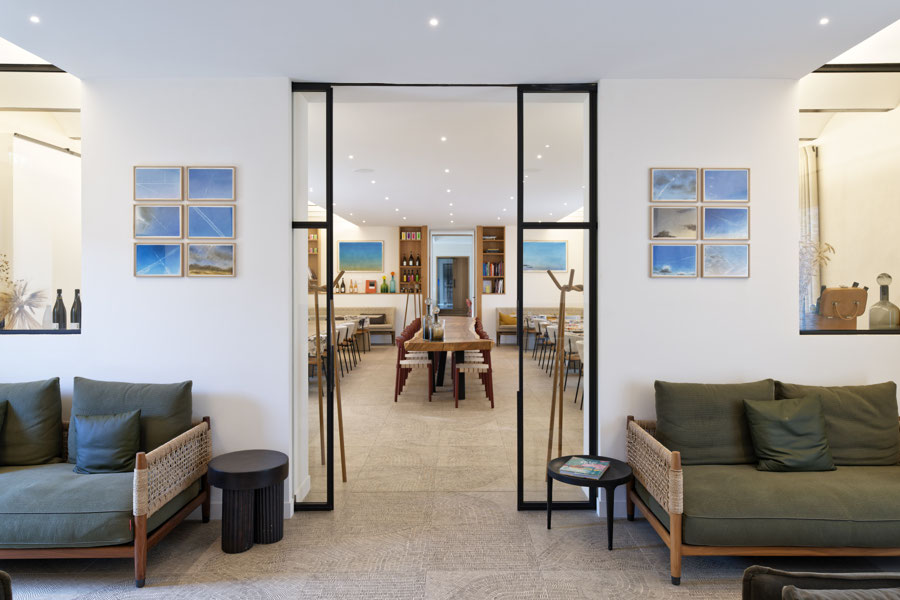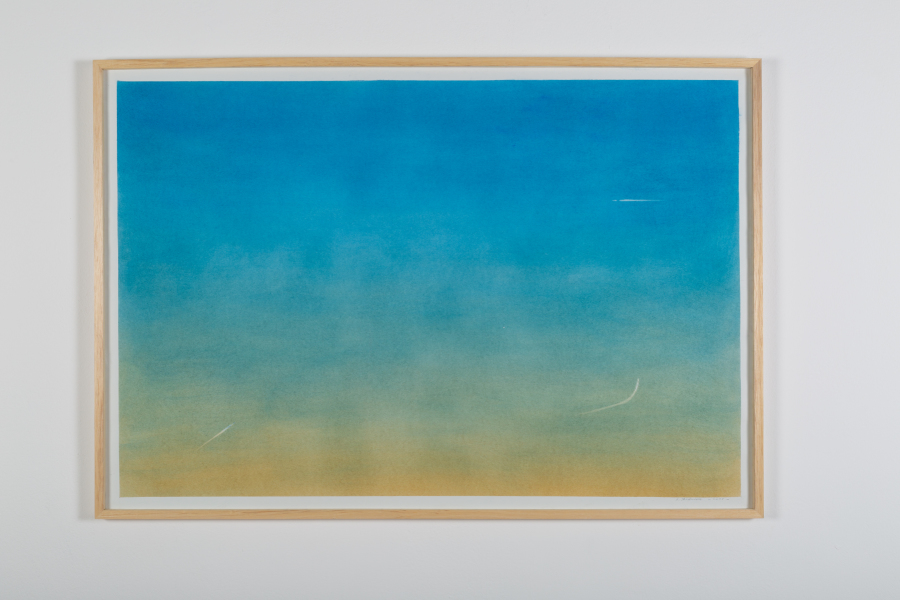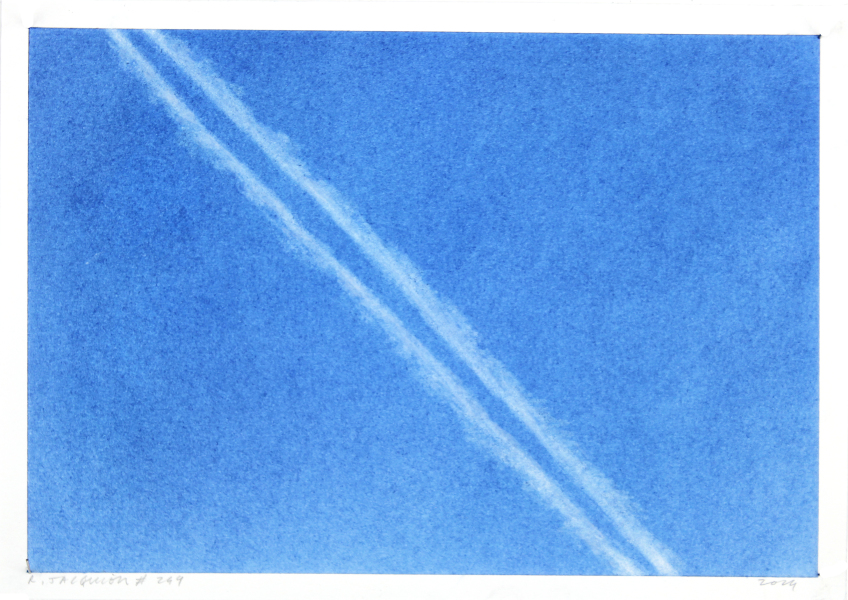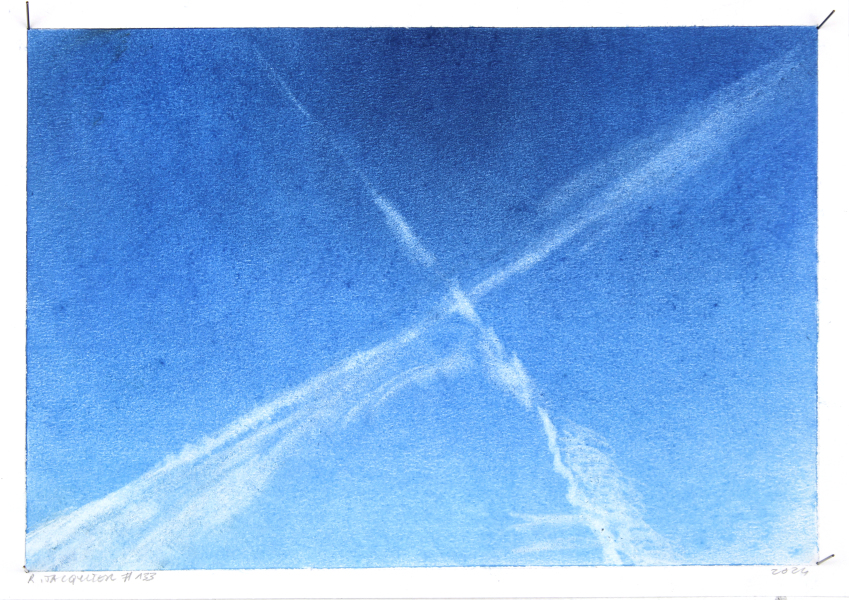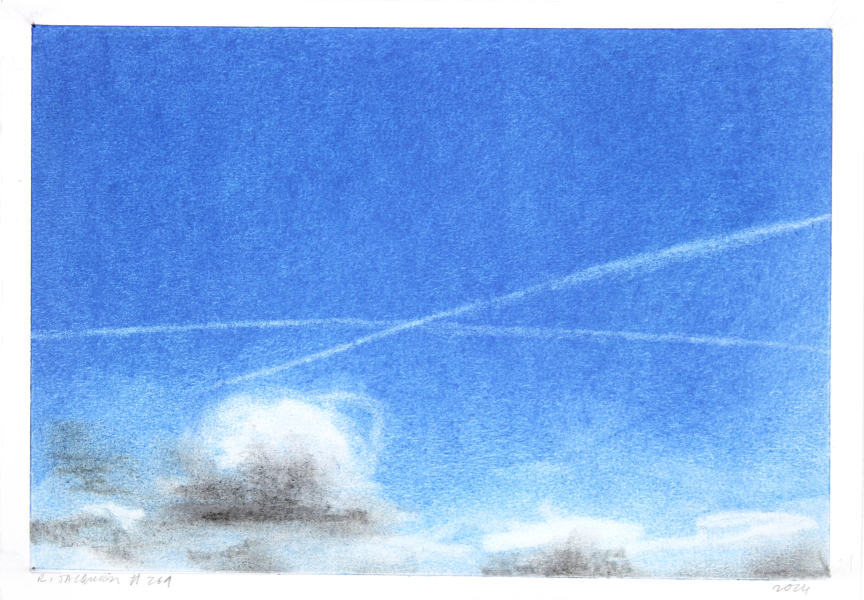
Who thought they could take away that place?
Outside, lead us out quietly
Lead us outside, and they lead us out quietly.
PJ HARVEY. Plants & Rags
Album Dry. 1992
Sometimes you have to leave the studio to get some fresh air, equipped with the bare minimum: a sketchbook that is neither too big nor too small – A5 or thereabouts – and a felt-tip or ballpoint pen. A simple notebook and pen to avoid any temptation to create a work of art, which would be implied by choosing heavyweight paper and highly artistic tools.
For it is not a question of going out to sketch, of seeking shapes and colors to confront or verify the validity of a formal vocabulary left hanging behind the door that has just been closed. It is about getting some fresh air without assuming that any trace will be produced. It is, in fact, always possible that on returning from this escapade, the notebook will be placed back on the table without anything having been written, noted, or drawn. Getting some fresh air means swallowing space with your feet, alternating between walking and stopping without any regular rhythm. It means swallowing space with your eyes, shifting your gaze between the distance, the surroundings, and the immediate vicinity, in depth and panoramically. It means changing your lines of sight, tilting your head back to follow the path of an airplane or searching close to the ground, as close as possible to the insignificant, experiencing the delicate balance of an insect on a wild carrot or a few chestnut husks already rotting away.
To take in the air is to probe space by listening to the sound waves weaving together: the continuous bass of the same—or another—airplane, the reverberation of a chainsaw that is difficult to locate, the shivering chirping of crickets, and the counterpoint cry of a buzzard. It is setting off laden with images—Dürer and his tuft of grass, Van Gogh and the Crau plain, Vallotton, Beuys and the queen bee, Thek... – and then, quickly, let yourself be unburdened by the unexpectedness of reality, by the impossibility of the line, by the elusive chaos of everything.
Then you have to know how to return to the studio, to the place where the collected graphic fragments can be reviewed and rethought in order to project them towards a new mode of existence. Leaf through the pages of the notebooks, as if searching a field, allowing yourself to discover what was difficult to perceive at the moment of graphic deposition in the notebook. Be surprised not by what has been noted, but by the rhythmic occupation of the page by the line. Seek an economy of means that would allow this rhythm to be replayed, to be deployed without distorting or weighing it down.
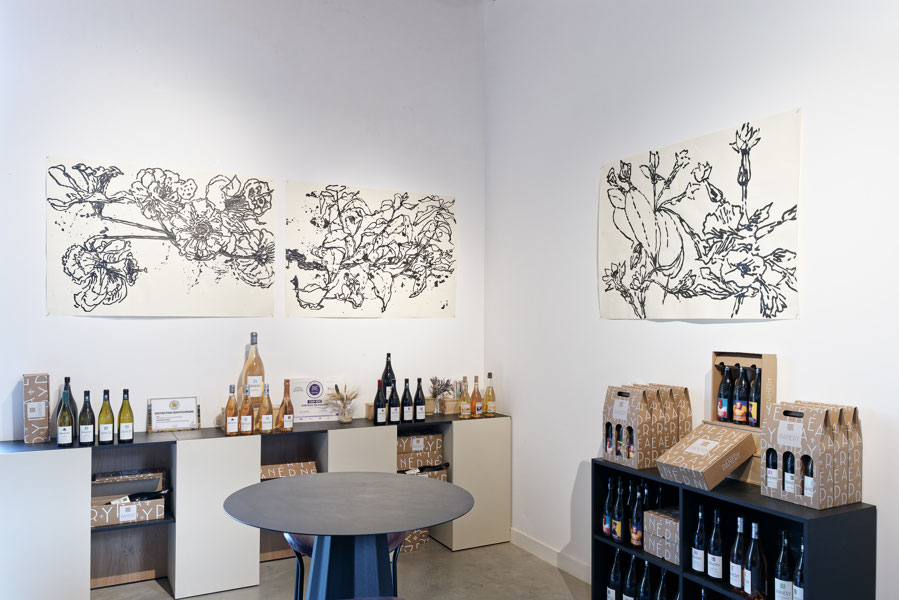
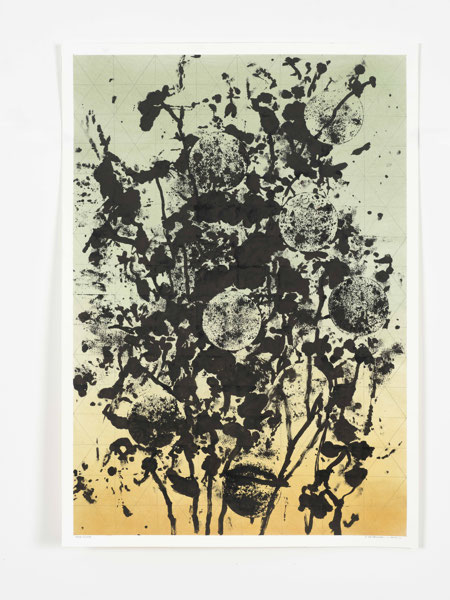
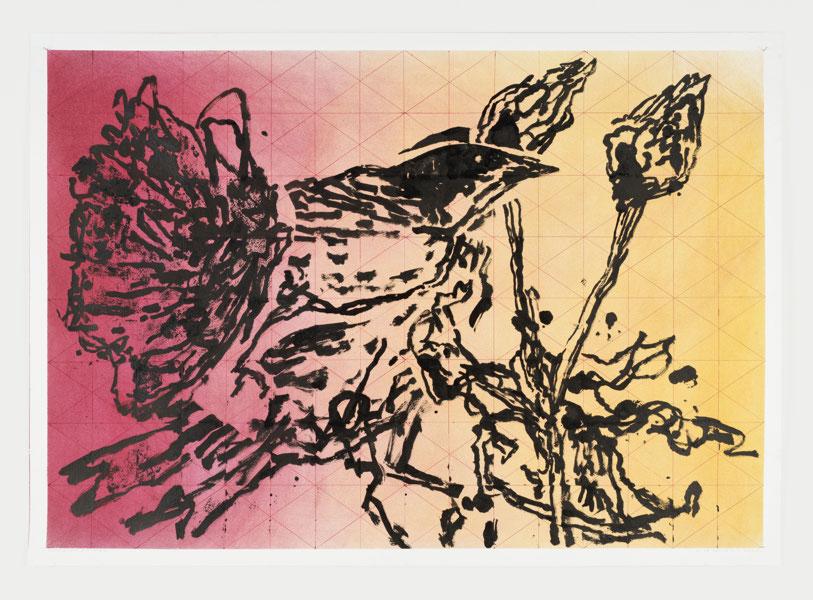
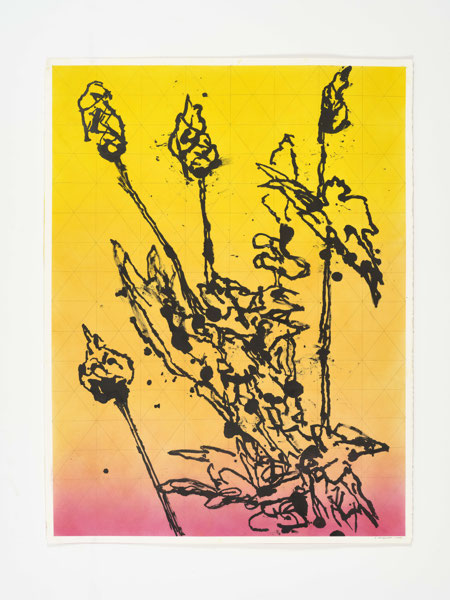
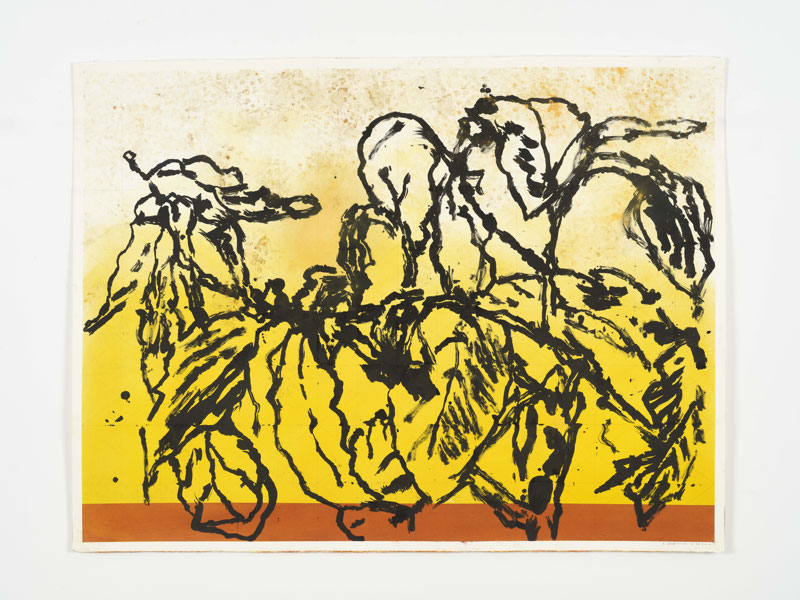
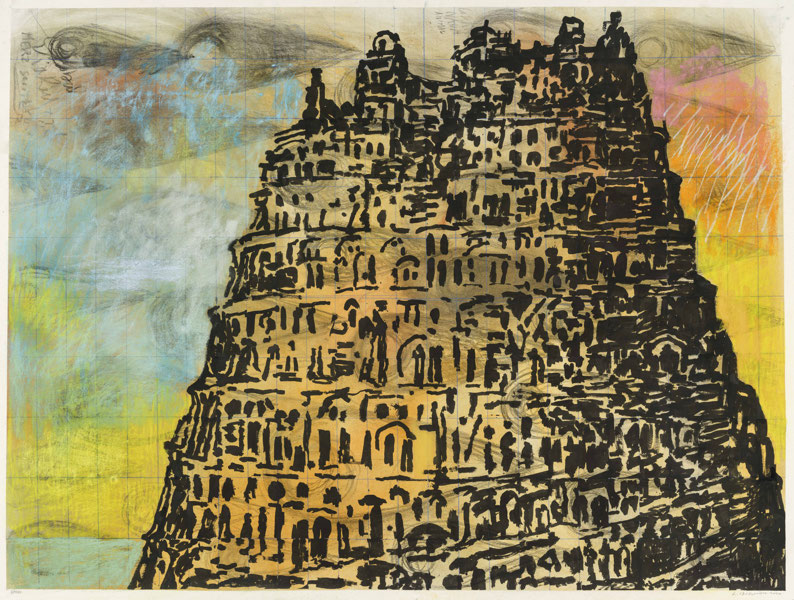
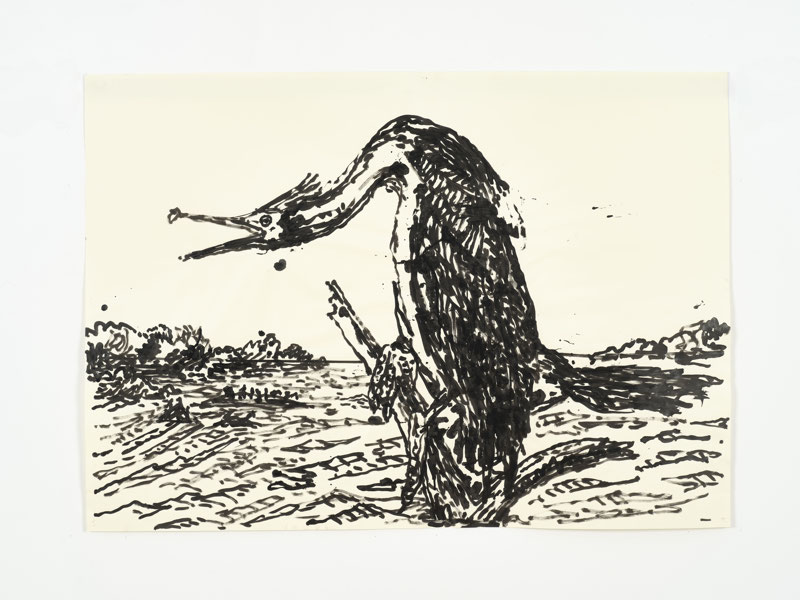
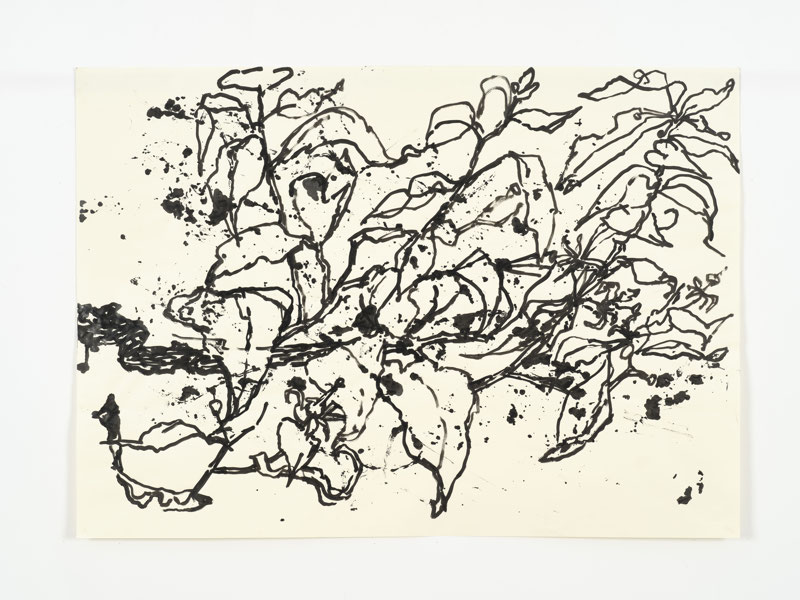
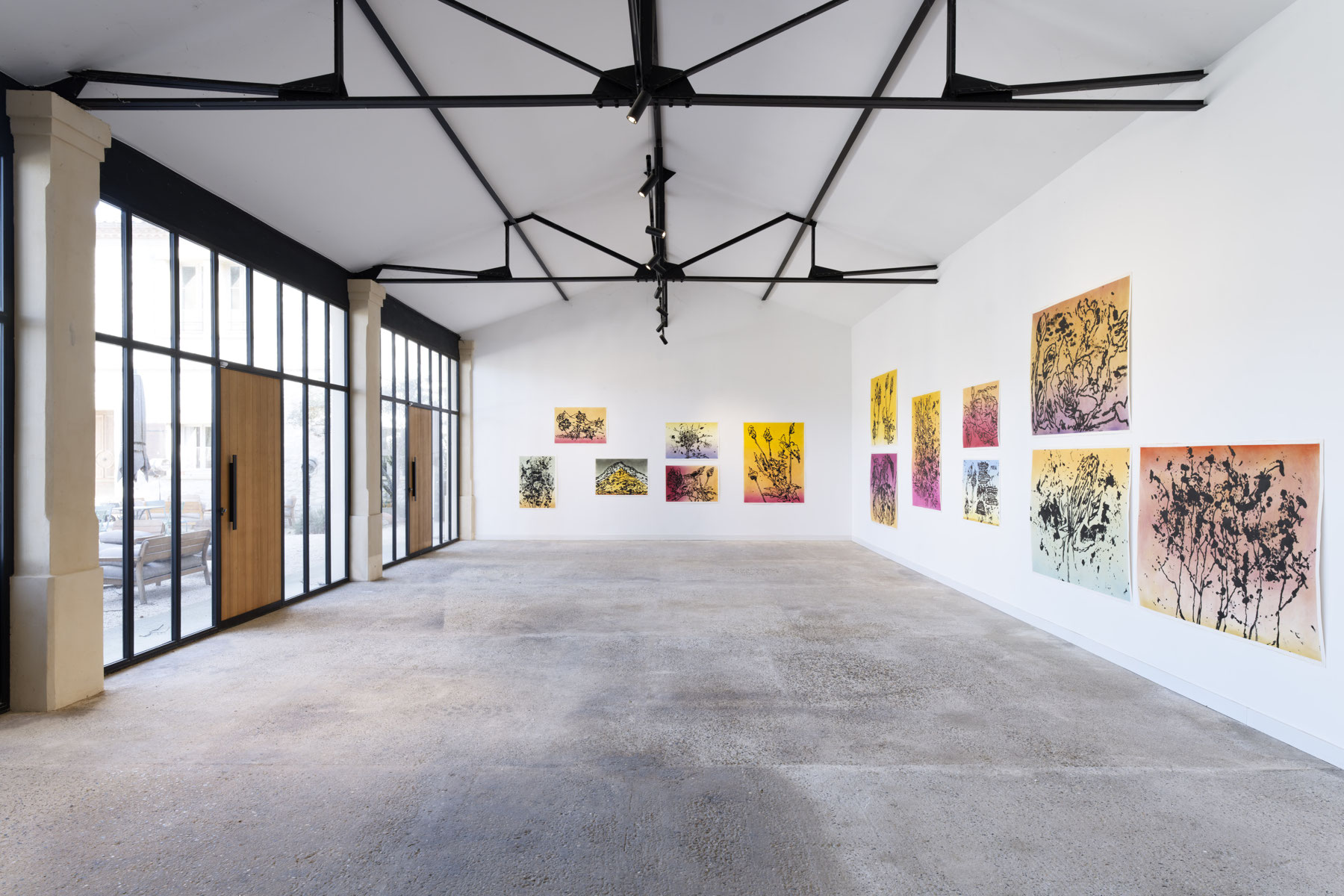
The first step is therefore to incorporate the initial sketch by changing the format, thus forcing a shift in the articulation point of the lines: from the knuckles to the wrist, from the wrist to the elbow, from the elbow to the shoulder. This sequence is repeated until the impulse that motivated the initial sketch, its immediacy, is recaptured. This operation requires a change of tool and technique; a switch to a brush—sensitive to the slightest variations—and Indian ink, which prevents any retouching. This repetitive work brings with it a host of differences and accidents that must be carefully considered in order to decide whether to reject them, in which case we start again, or to accept them by integrating them into the drawing.
These ink drawings are in turn viewed, sorted, and selected according to their ability to convey a flow of air between the lines, then placed in a colored environment created using pigments applied with a brush, i.e., a color conceived more as light than as paint, distanced by a slow and patient process of squaring, in which each square is worked on one after the other like a small abstraction. Because ultimately, what we must strive for is to give presence to what is barely sketched in the notebook, to reveal the insignificant things we have observed, to recreate the air we breathed when we left the studio.