Reality reveals itself only to elude us again. Perhaps this is why Tania Mouraud’s art is in perpetual metamorphosis—an attempt to grasp it by countless means.
Ceysson & Bénétière is delighted to present, in its Paris space from 5 February to 21 March 2026, an exhibition dedicated to the artist recently appointed as an academician, illuminating more than five decades of creation. Bringing together historical works and more rarely shown pieces—from the analogue series of the 1980s to the PASIK drawings of 2024—the exhibition traces the evolution of a thought in motion, unfolding through urban and rural wanderings, attentive to the signs, ruptures, and tensions of the world.
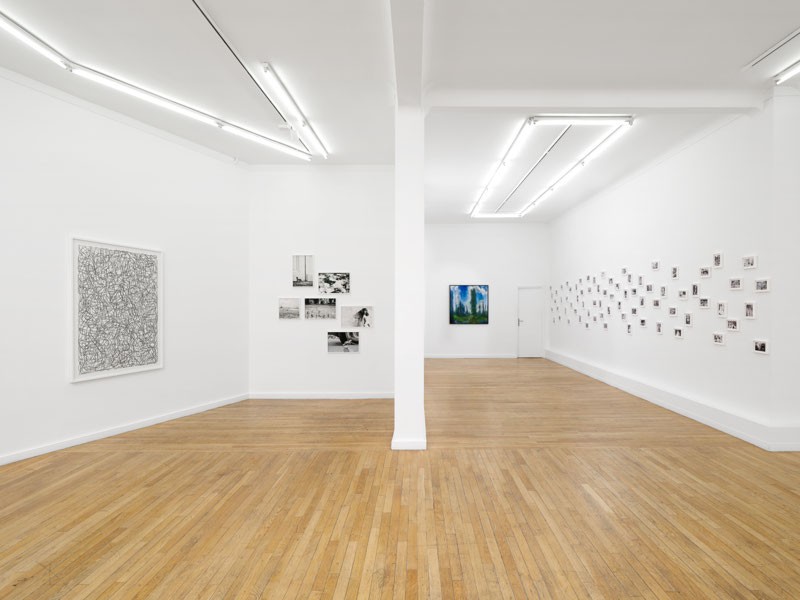
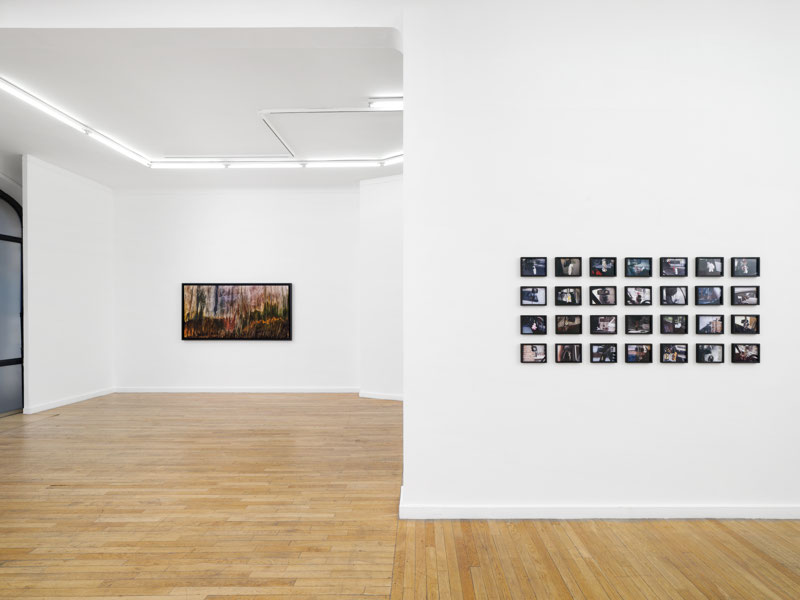
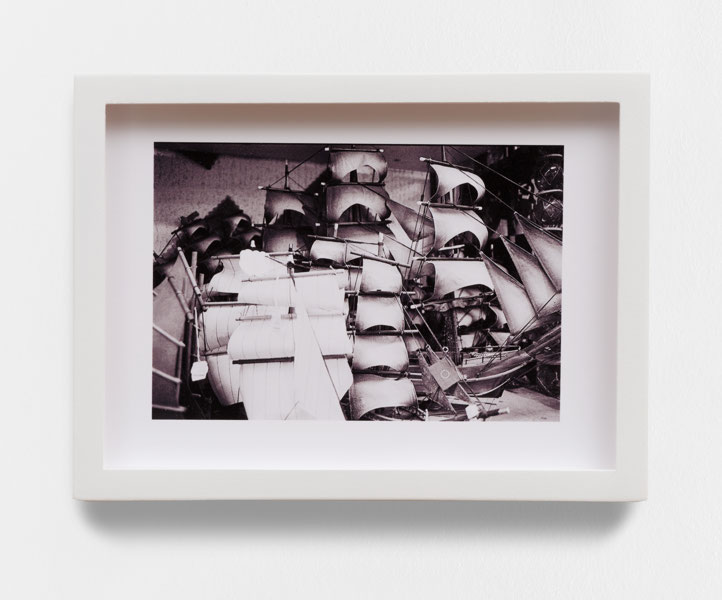
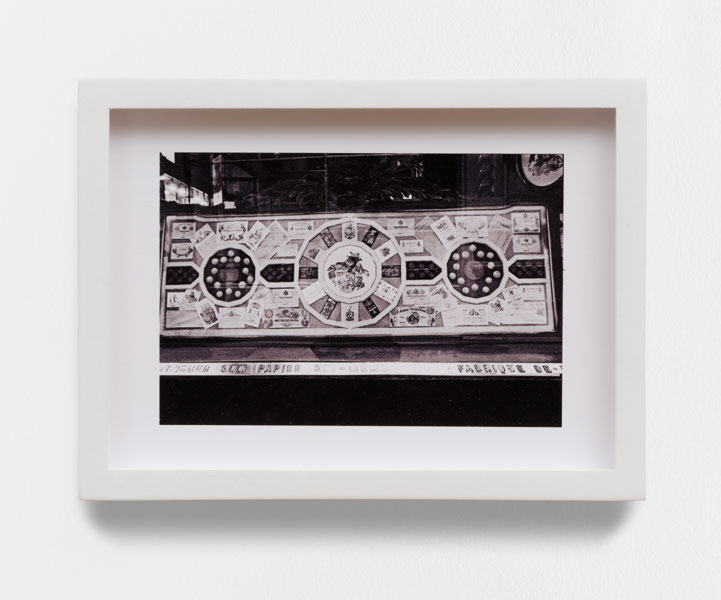
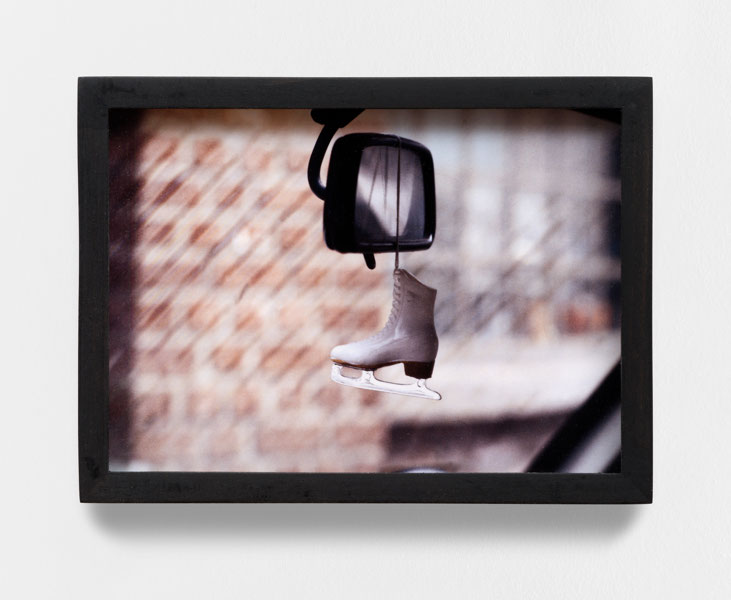
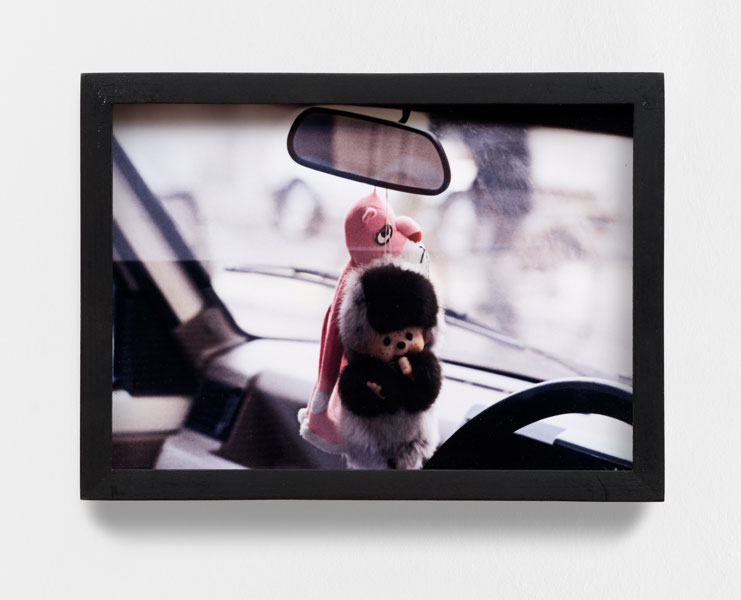
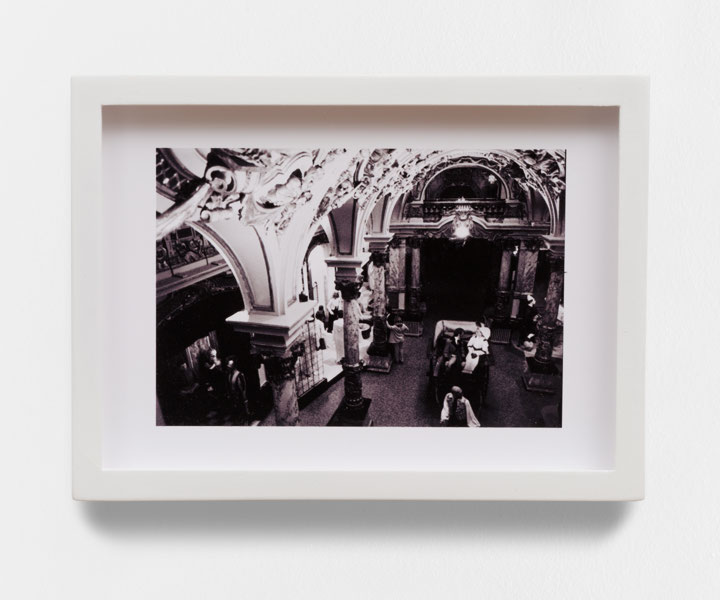
In 1981, with the Michelin Guide in hand, Tania Mouraud travels along the Grands Boulevards (Vitrines). Every shop is the place to be, or rather the place to buy. Taking on the posture of Atget, she documents the objects we give or give ourselves, photographing them on the fly with perfect mastery of light. These objects of desire enter into dialogue with the trinkets hanging in the cars of Rétrovisées (1984), through which we transform manufactured automobile interiors into intimate spaces.
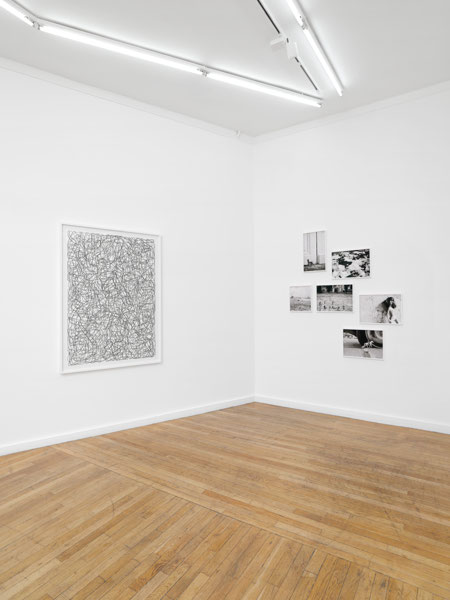
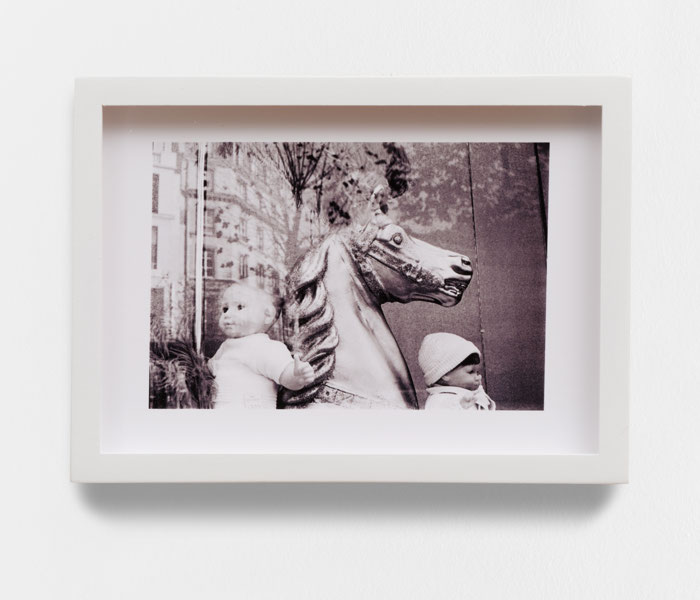
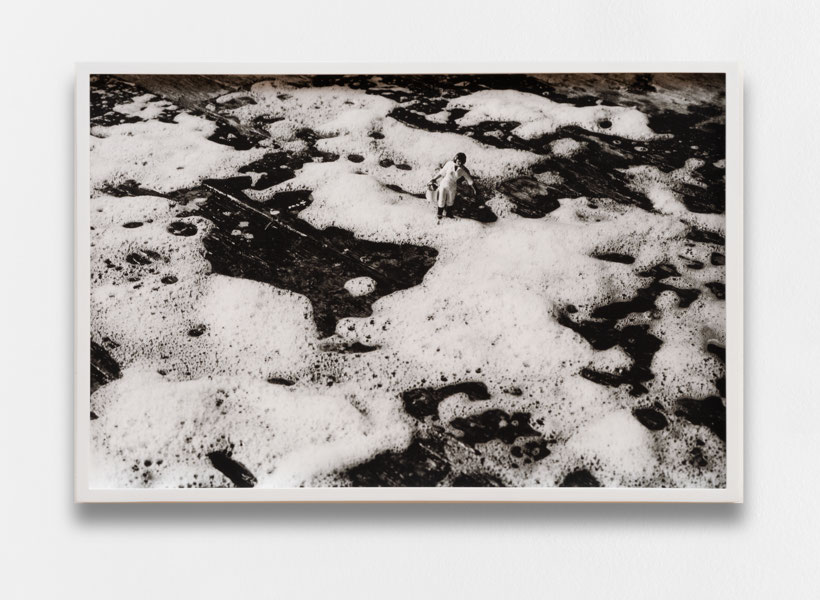
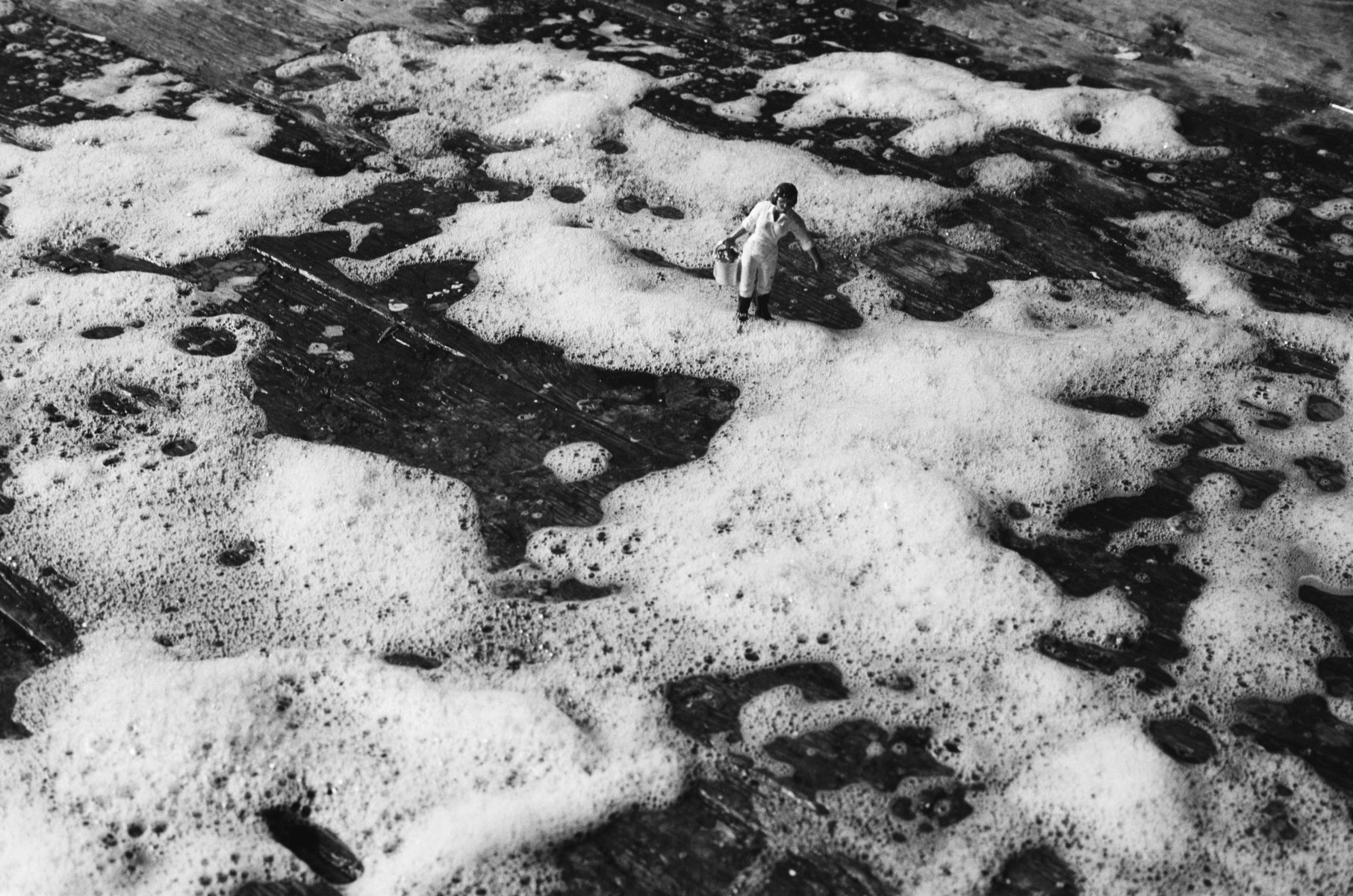
The reality captured “in passing” is mirrored by the Images fabriquées (1981), in which small figurines are staged to create new visual narratives of everyday life. Childhood surfaces in these micro-theatres. One thinks of the words that closed the artist’s speech at the Académie des beaux-arts in November 2025: for her, creating is playing. Just as children assemble Lego bricks to build themselves a world, Mouraud fashions narratives out of almost nothing. Narratives, however, that carry far broader political stakes, for the domain the woman launders in 2000 ans de ménage seems infinite and the task unending, while the reflection of L’Indienne in the rim of a tyre questions the future of Indigenous peoples.
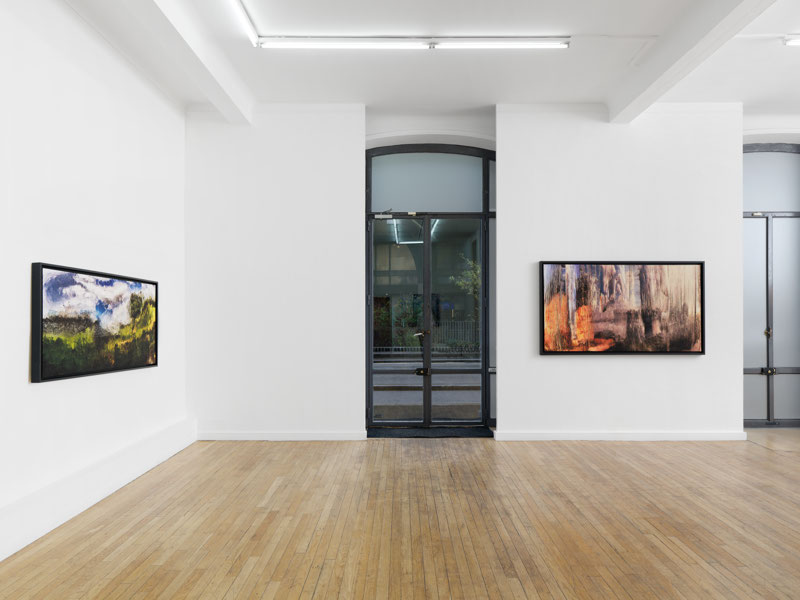
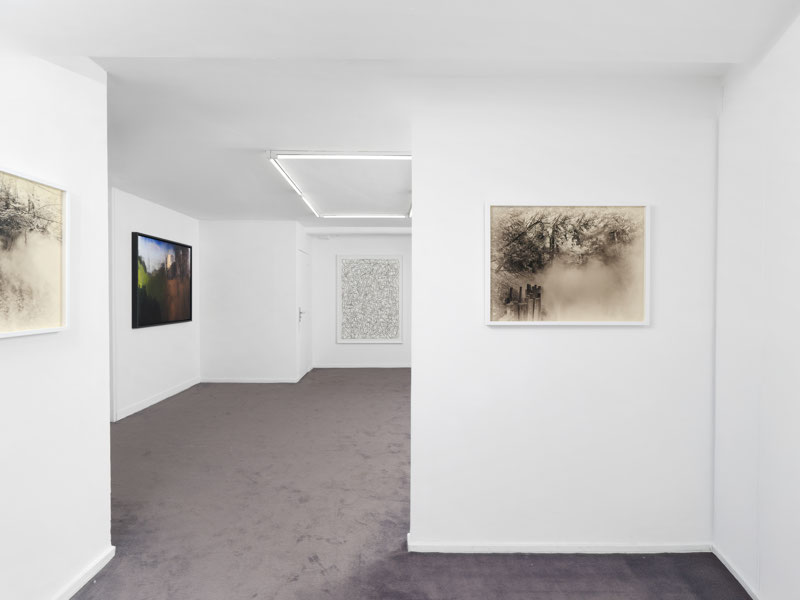
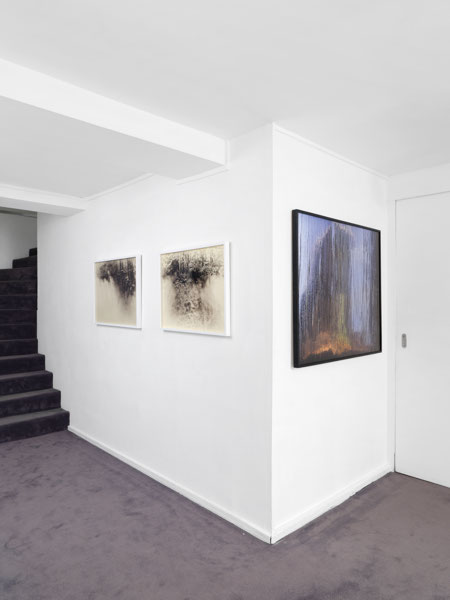
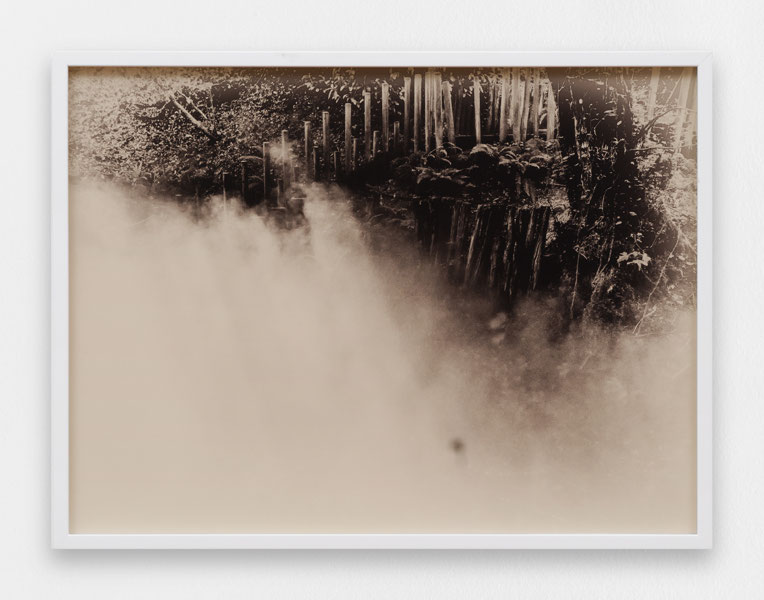
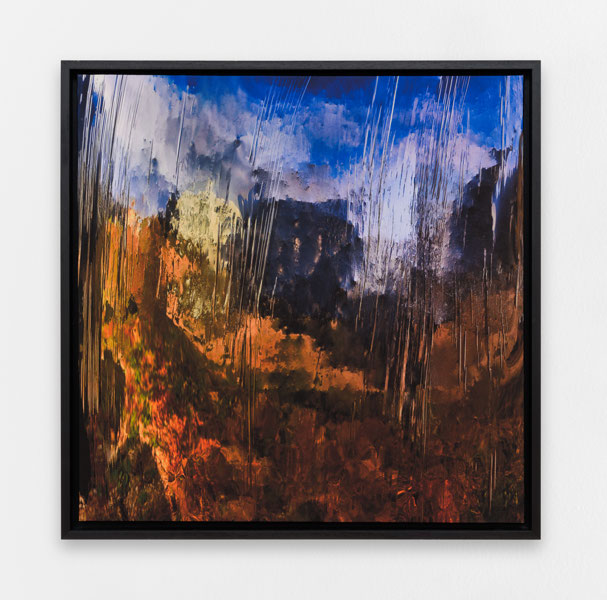
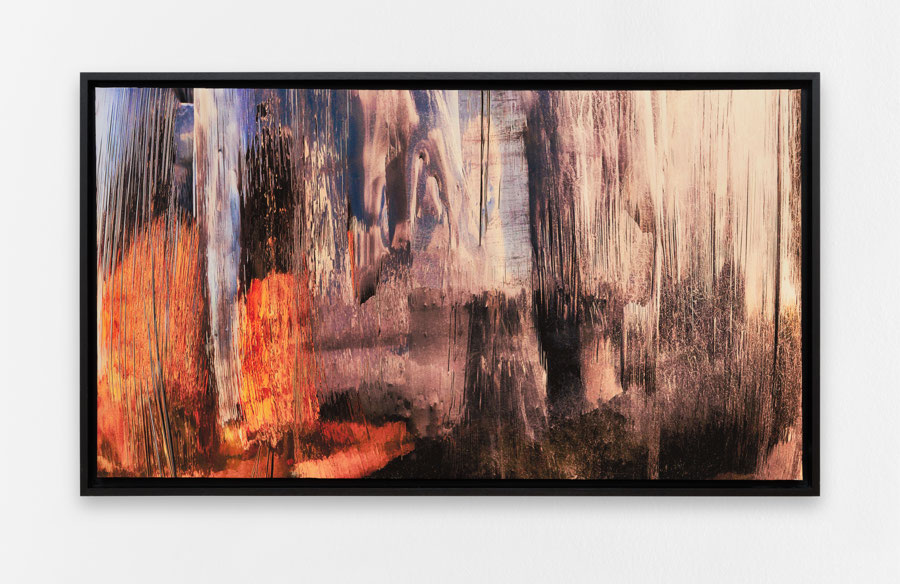
This metamorphosis of the everyday continues in the landscapes of Borderland (2007-2025), reflected in the silage wrapping of fodder. The world refracts and becomes abstract within a substance that both protects and pollutes. The work, meanwhile, blurs the boundaries between photography and painting. Further along, the Haïkus (2017) evoke engraving plates whose negative spaces appear to have partially erased the landscape.
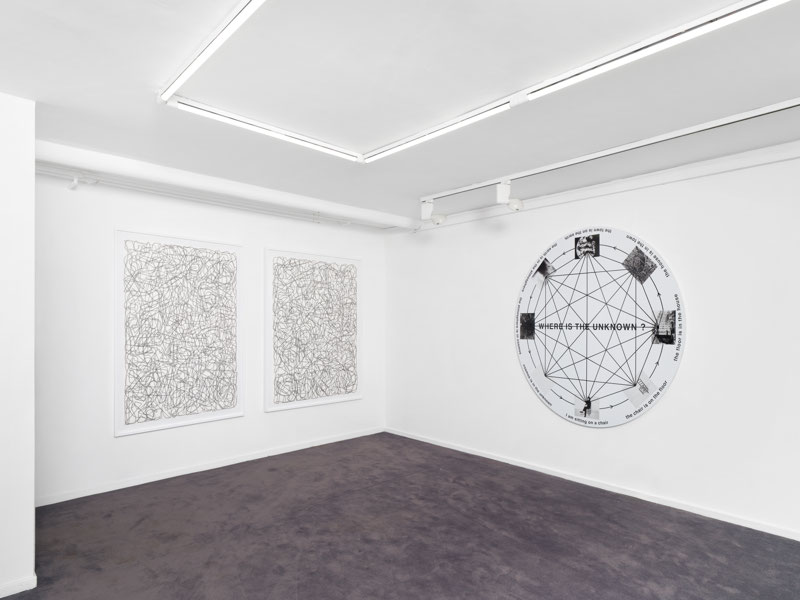
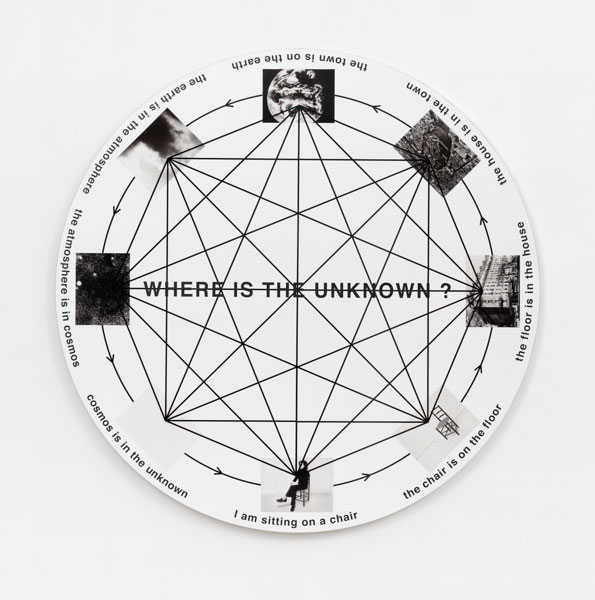
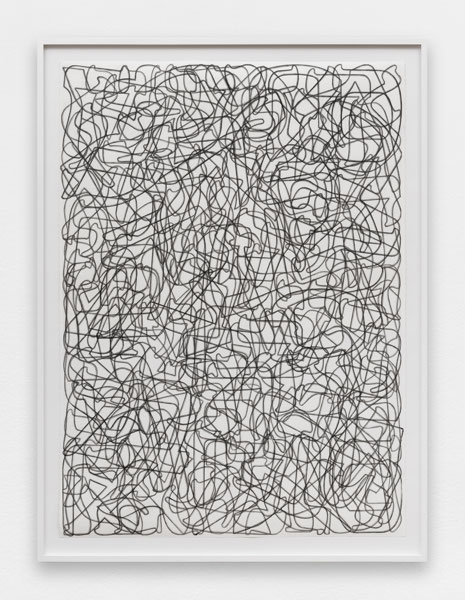
From photography to writing there is, for Mouraud, only a step. Another shift in scale appears in Where is the unknown (1973). Rhythmically structured like a nursery rhyme, the circular image probes the arbitrariness of language, its gaps, and its inability to truly grasp reality. From detail to the structures of the universe, the work unfolds like a round dance, in which what we thought we understood continuously blurs and recomposes. Later, by displaying on the wall one of the notes from her Carnets d’atelier, published by Marval-rue Visconti (2023), Mouraud expands the page to the scale of architecture, while her drawings of interwoven letters (PASIK, 2024) transform poems into knotted landscapes. Writing relinquishes narration, becoming a broken breath.
Thus Dreaming of being a butterfly invites us to contemplate multiple thresholds—from documentary to fiction, from clarity to opacity, from the readable to the visible, from the minuscule to the cosmic. Leaping from one medium to another in order to seize fragments of the real, Tania Mouraud reminds us that every image is a moment of metamorphosis, a wingbeat between self and world.
Cécile Renoult, 2025