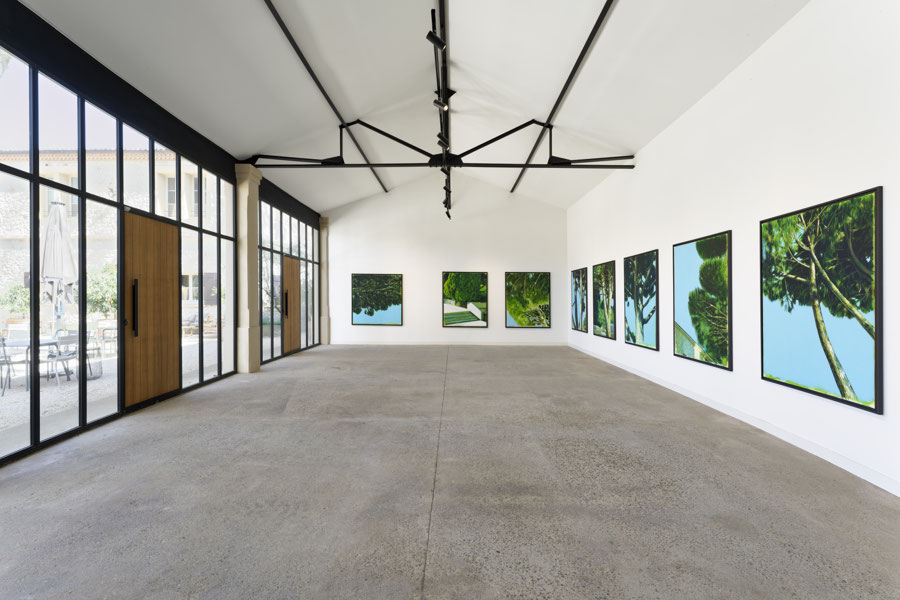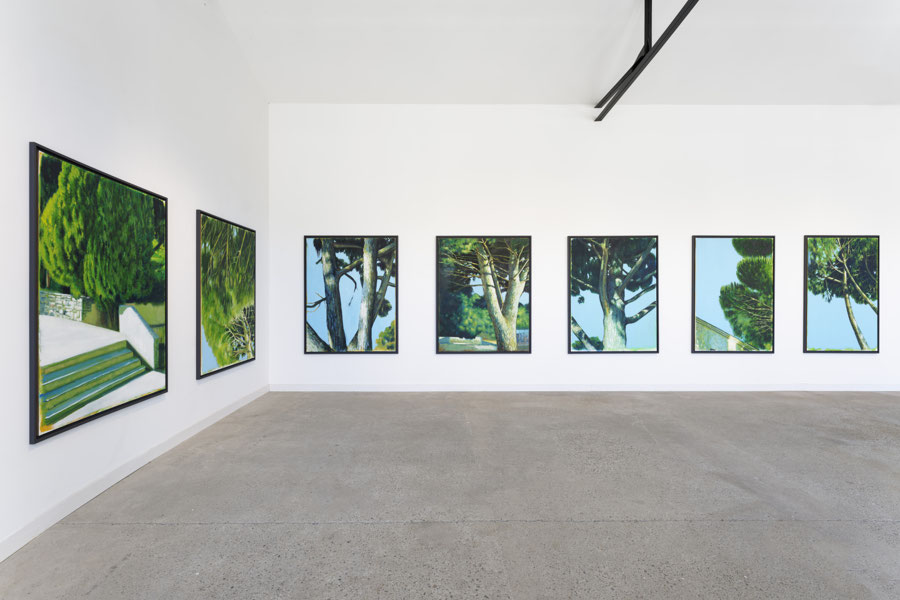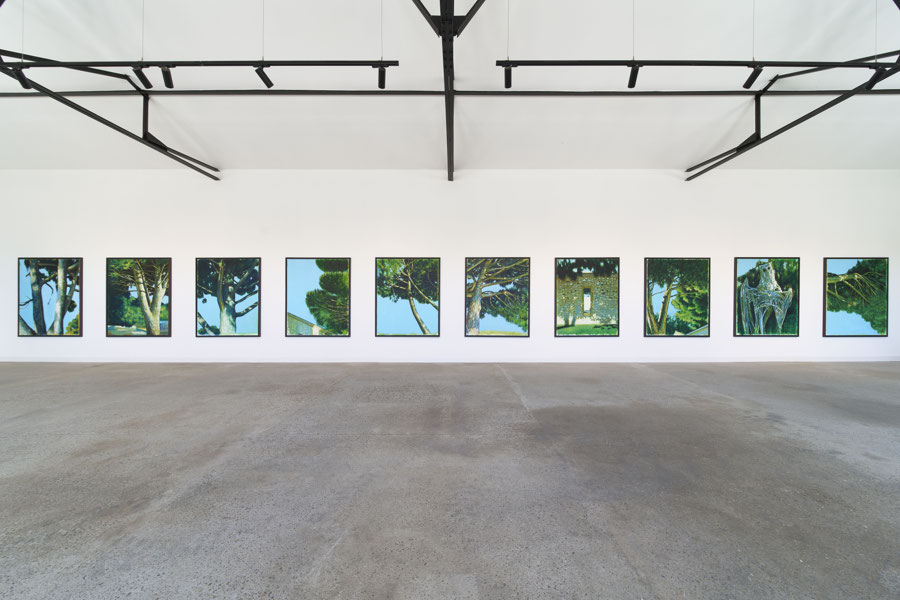
"Neither quite the same nor quite another…"
Jérémy Liron demonstrates exemplary clarity when describing his working process—hardly surprising for an artist whose work is distinguished by its remarkable legibility. Let us hear him:
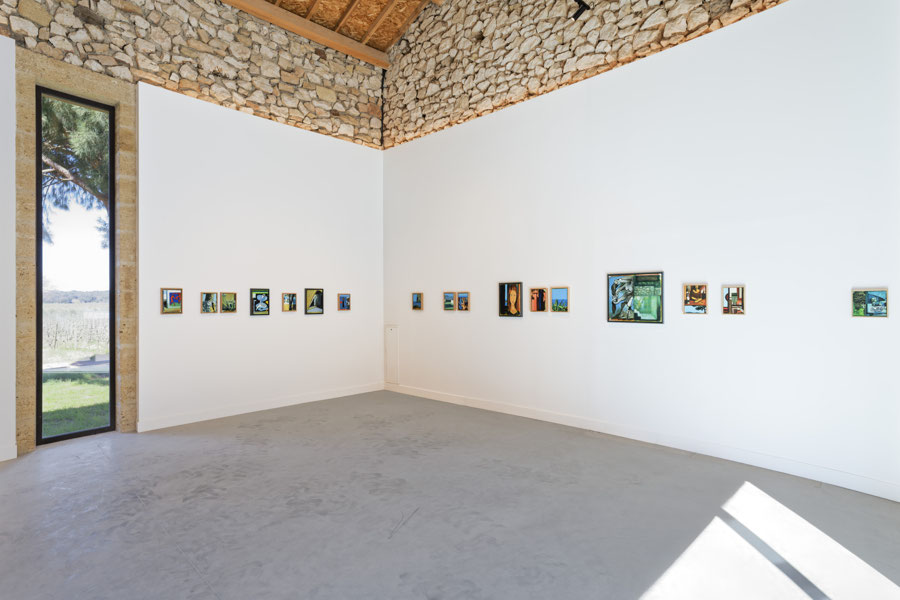
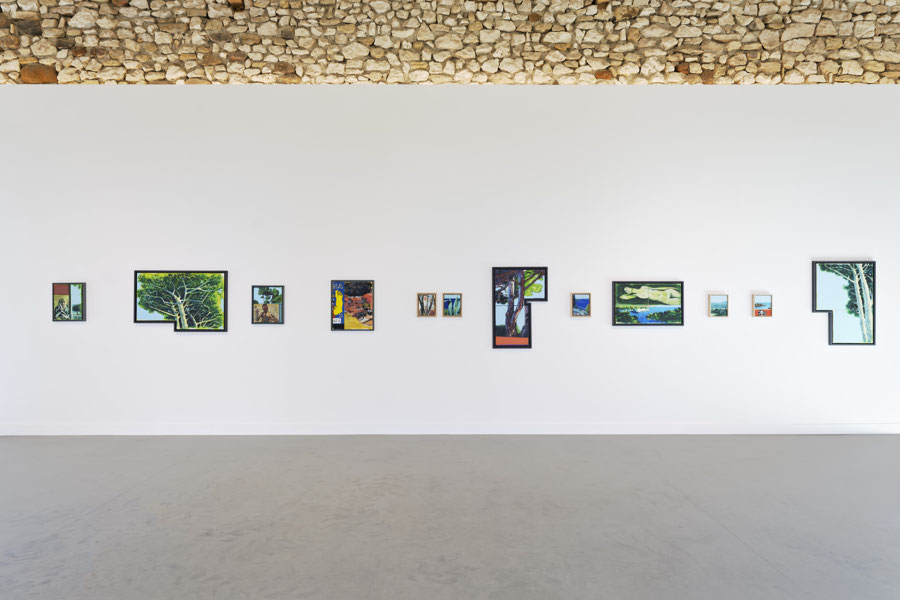
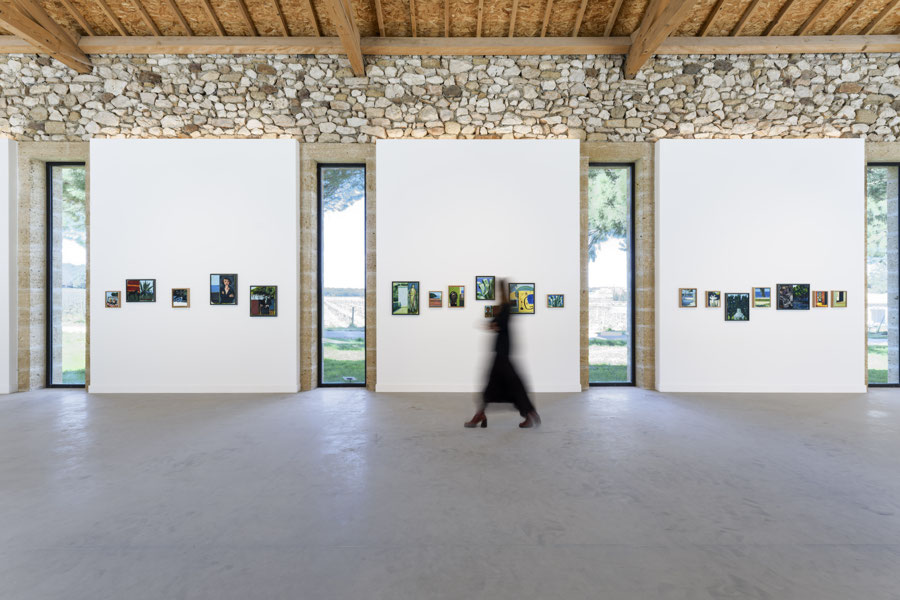
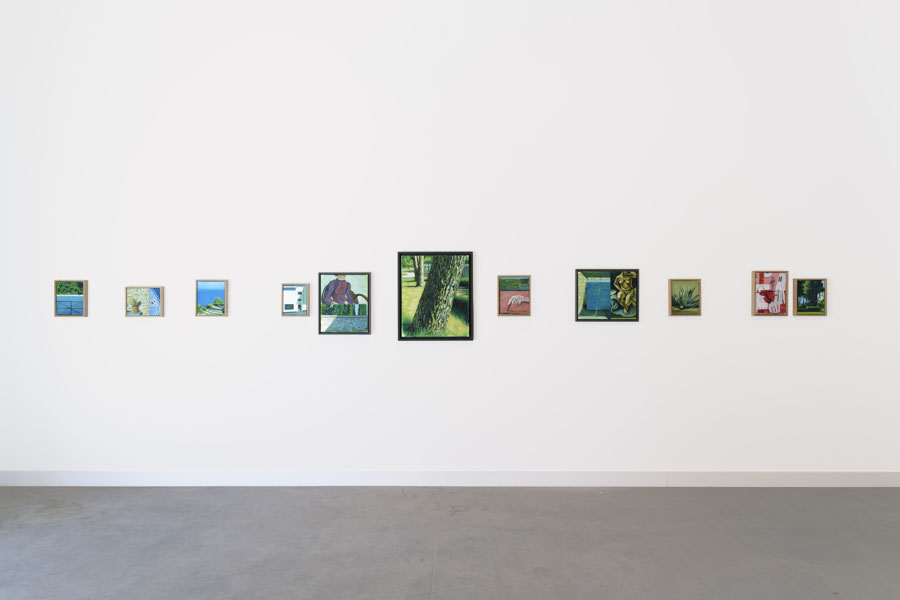
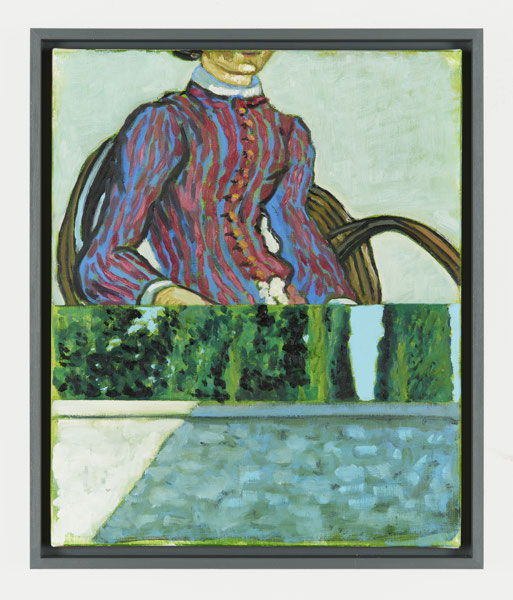
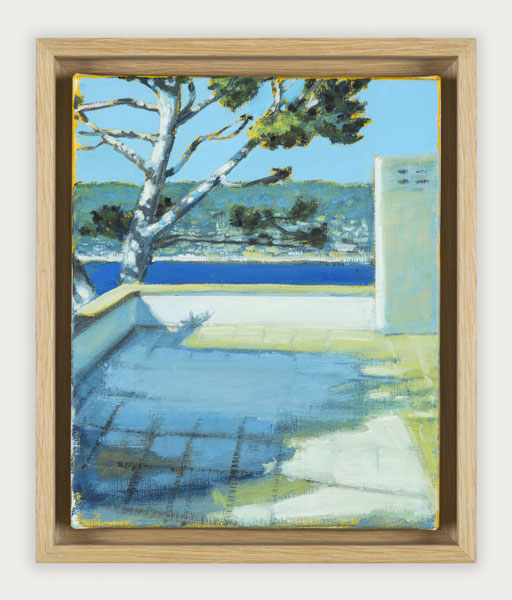
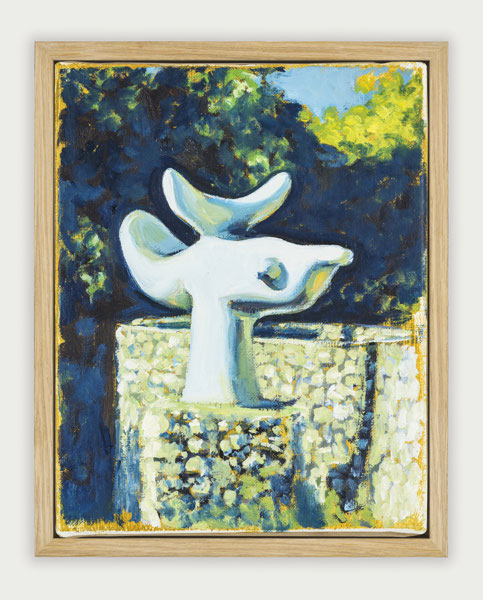
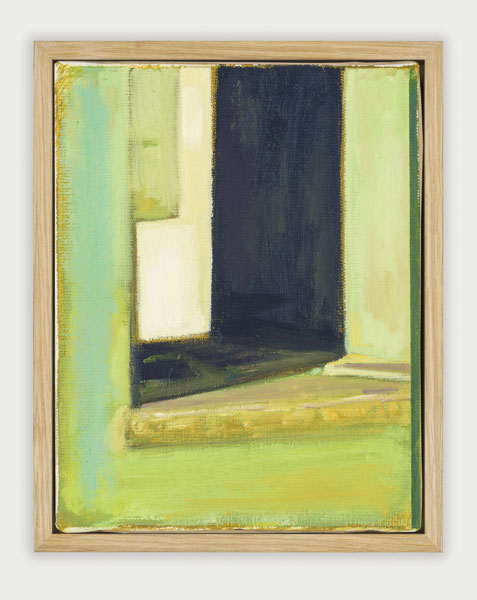
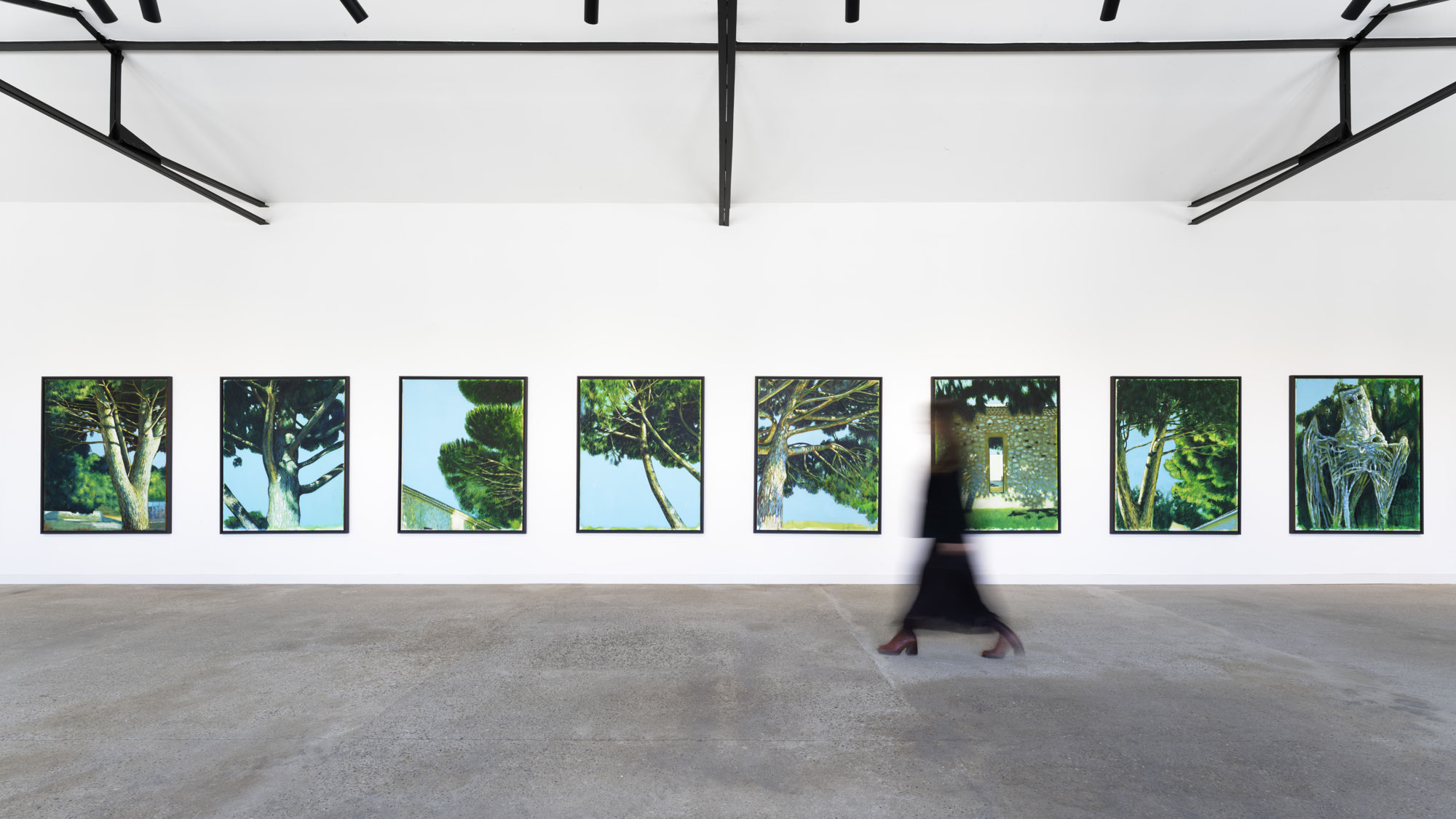
“I have been working on this body of work since last August–September, conceiving it as a Suite Panéry. This is the generic title I give to this sub-group within a series I have been pursuing for twenty years, entitled Landscape(s), with each painting numbered. Thus, the first painting in this Suite Panéry is Landscape No. 289, and I am currently working on numbers 298, 299, and 300.”
This commitment to an open-ended endeavor, along with the vertiginous numbering that accompanies the titles, may call to mind Roman Opalka’s celebrated cycle Description of the World. This singular body of work consists of a series of paintings covered with meticulously inscribed numbers, each invariably titled Detail. Each new canvas extends this numerical “accounting” toward infinity, following a process intended to be interrupted only by the artist’s death.
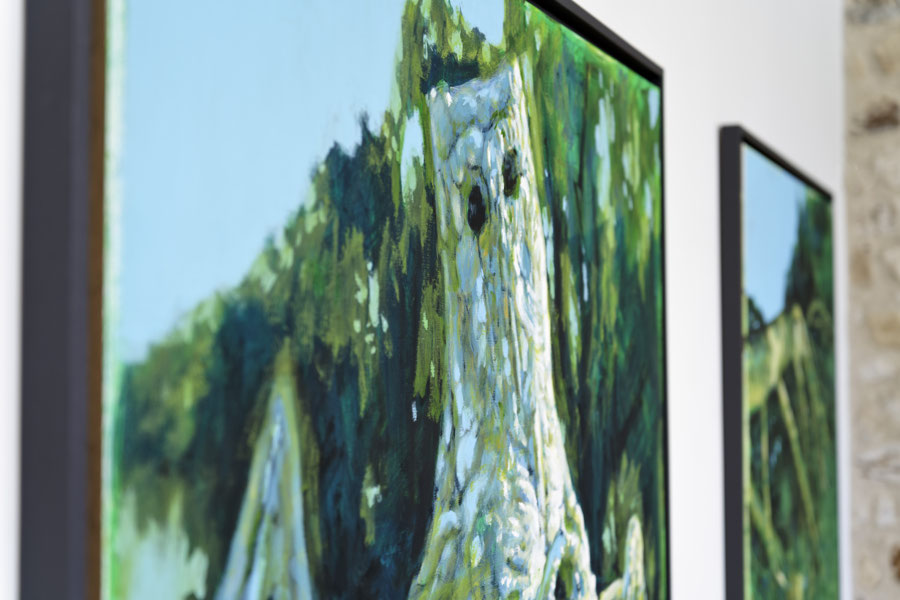
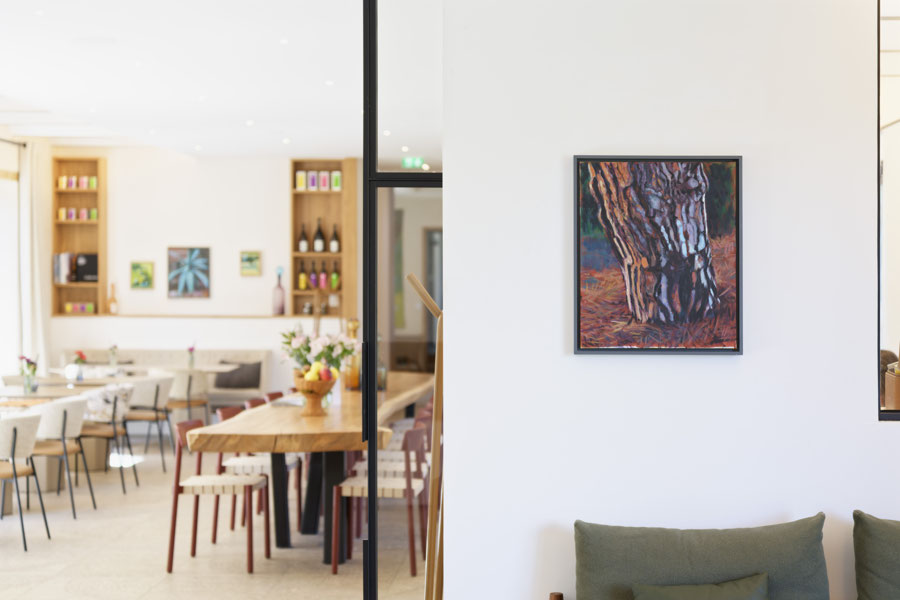
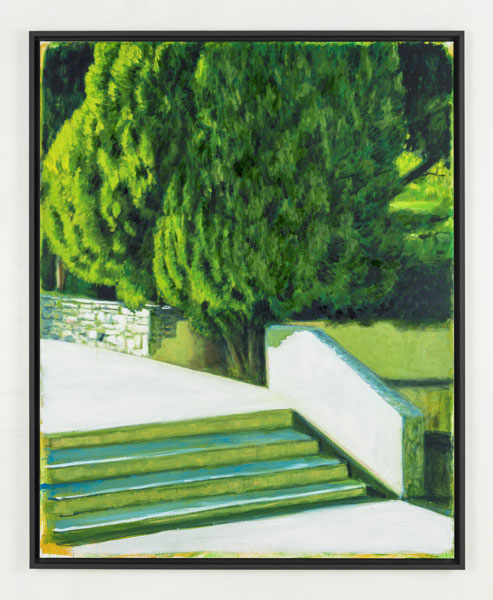
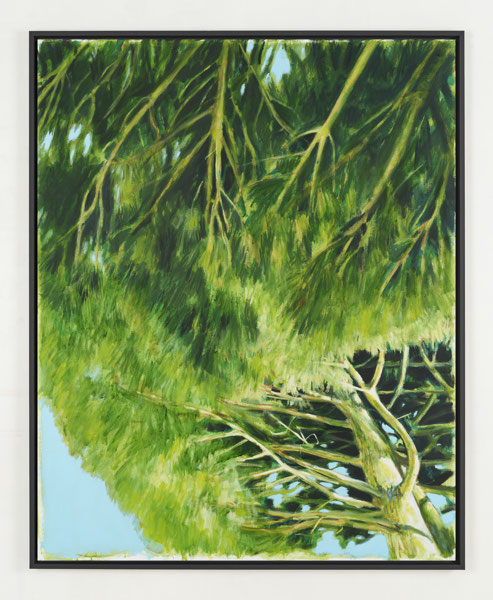
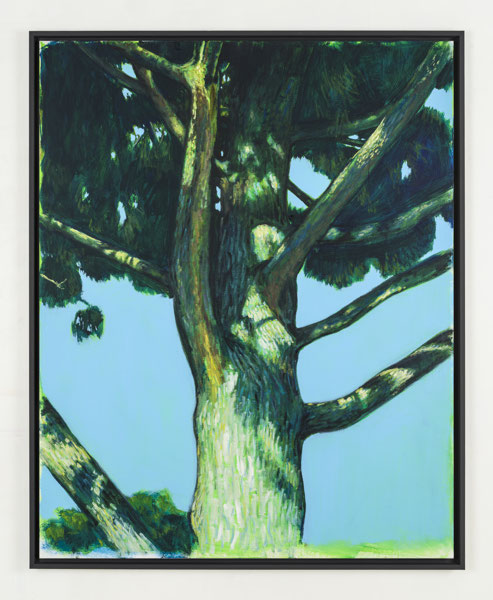
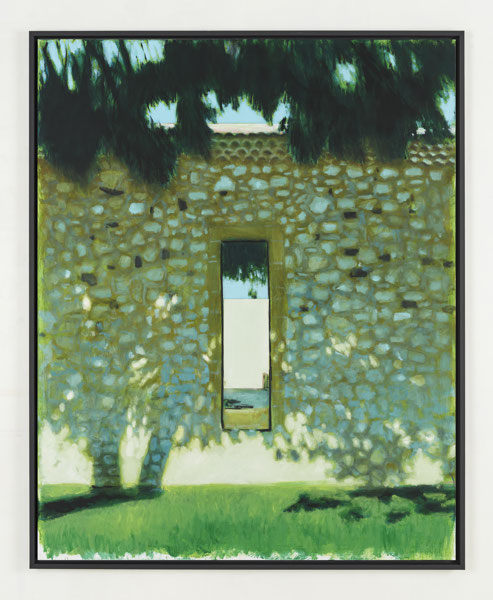
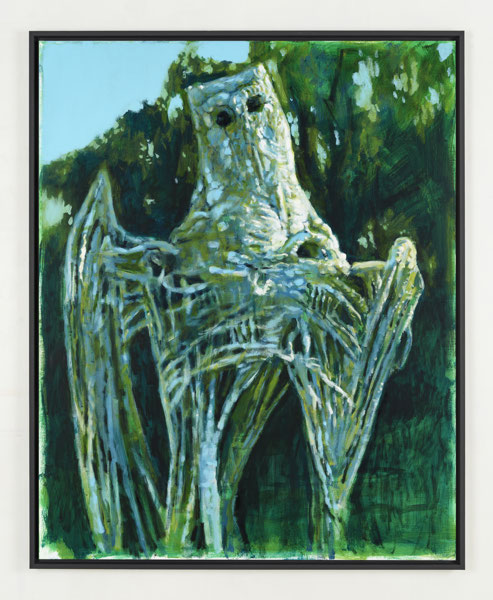
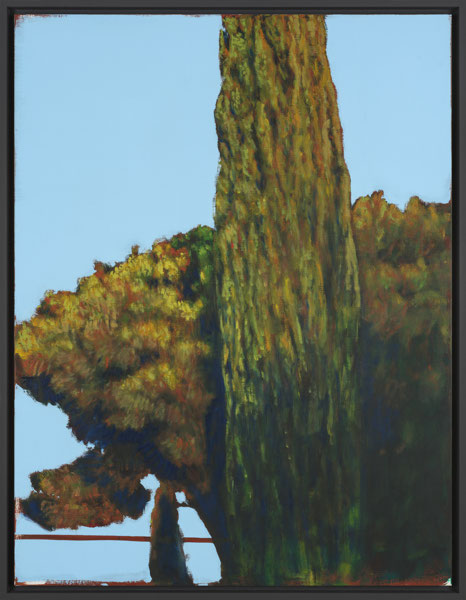
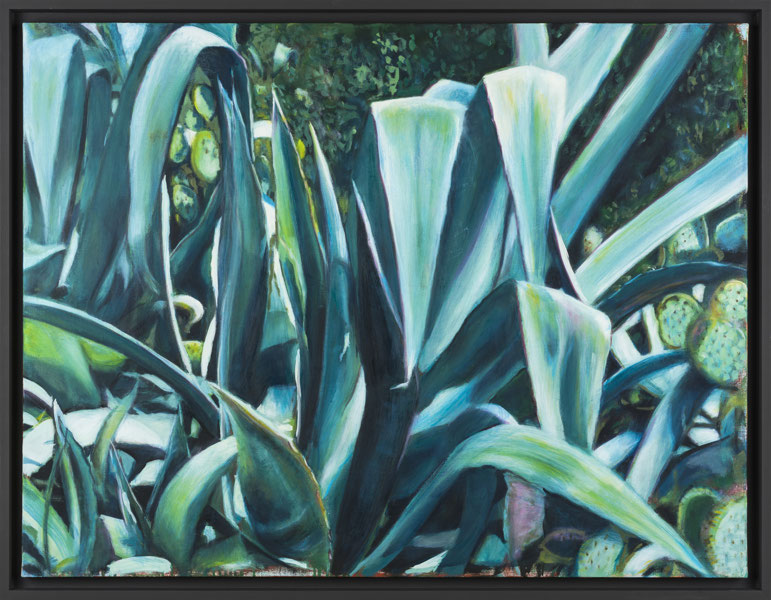
Far removed from Opalka’s closed and ascetic universe, Jérémy Liron’s work opens instead onto nature. Yet these are not expansive landscapes in the Romantic or Symbolist tradition. The artist focuses on fragments—most often trees—which he revisits relentlessly. Trunks and branches are observed from varying angles, from afar or in close-up, at different distances, isolated or combined with peripheral elements. Liron enjoys producing versions that are extremely close to one another, like a musician practicing scales, never tiring of the exercise. Systematically deployed, these motifs form a series: an investigative practice, a formal inquiry that rejects any belief in the singular masterpiece. What is at stake here is continuity—not narrative, but optical.
This “visual wandering,” in which an apparent descriptive impulse conceals a desire to grasp analogical structures and their transformations, constitutes a defining feature of modernity: the shift from theme to motif, from description to construction. One might even be tempted to think that the theme of the series becomes a mere pretext, so firmly does repetition of an element assert itself as the rule rather than the exception.
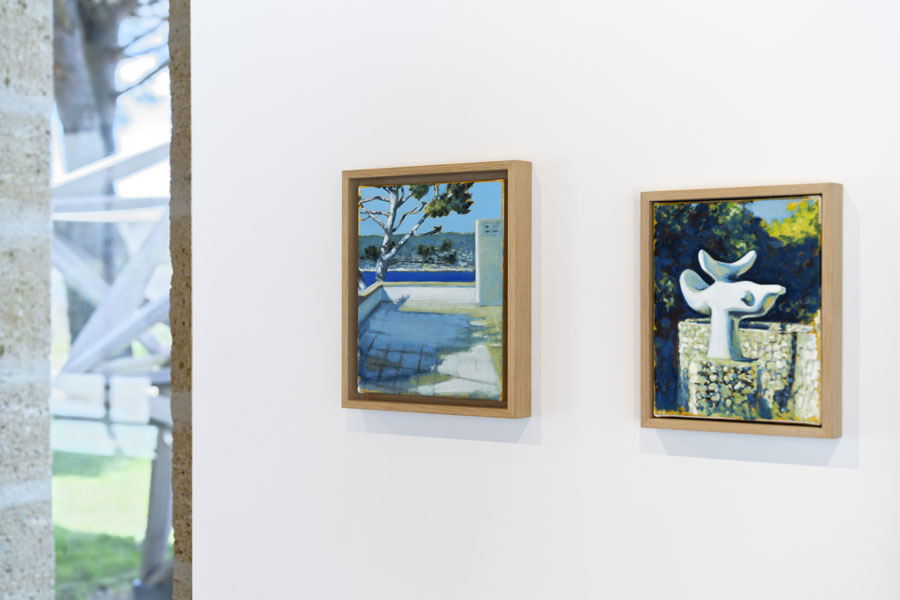
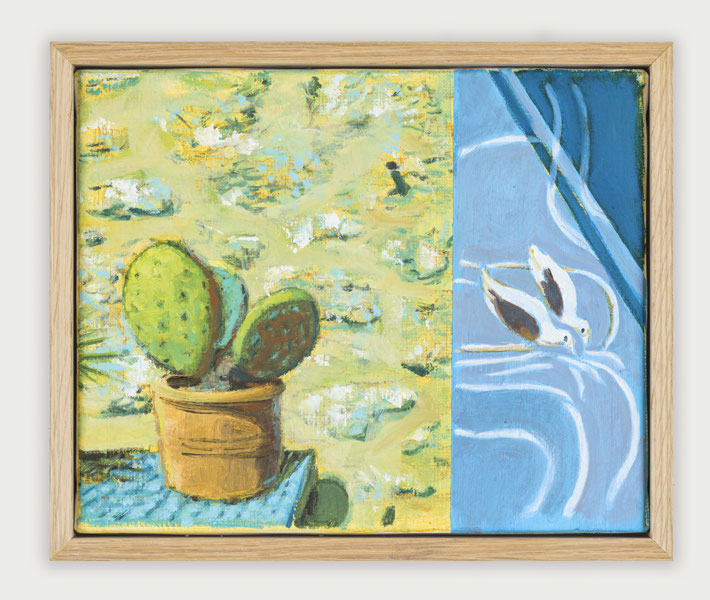
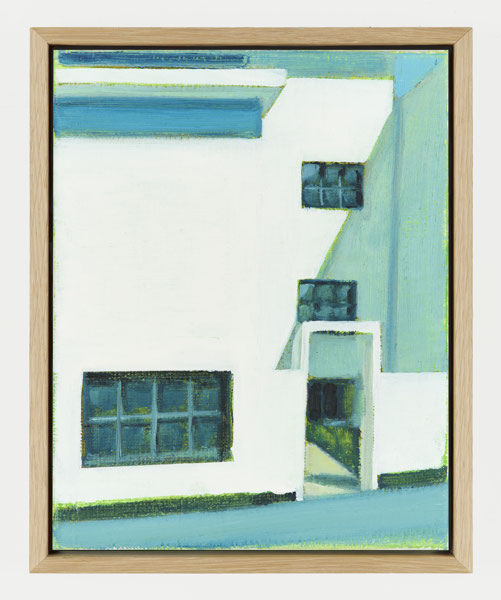
Confronted with these images, the viewer is seized by a sense of unreality. The gaze glides over these representations of nature, never far removed from the urban realm—at once accessible and elusive, immaculate and frozen. The radiant light, the intense and uniform blue of the sky, and the total absence of human presence evoke a theatrical set. More than singular landscapes, these images enact a true transposition—indeed, a transplantation—of reality into an artifact, one that proudly asserts its artificiality. This is underscored by Liron’s series of small-format works, which pair a landscape with a work of art by one of the great masters of modernity—Léger, Miró, Matisse… Does nature imitate art?
Itzhak Goldberg