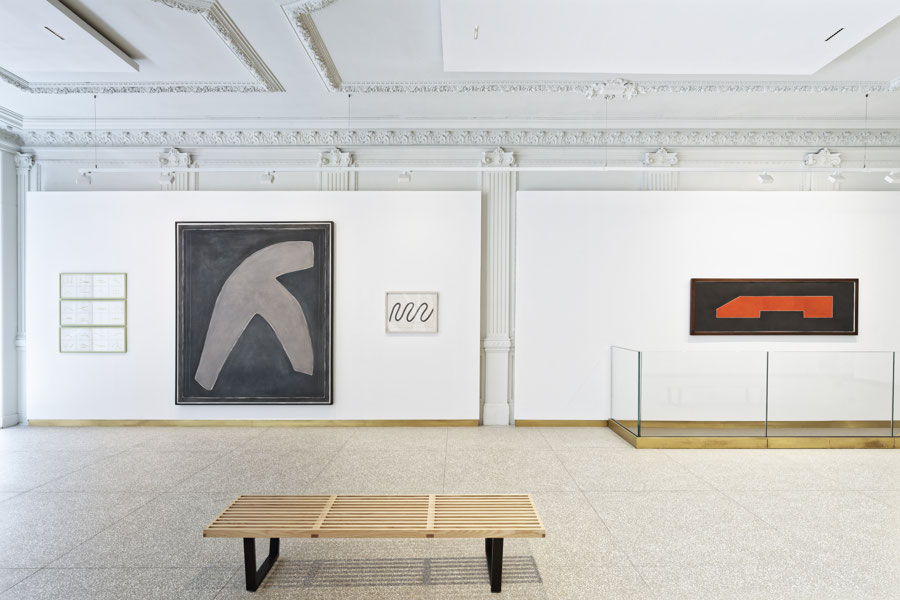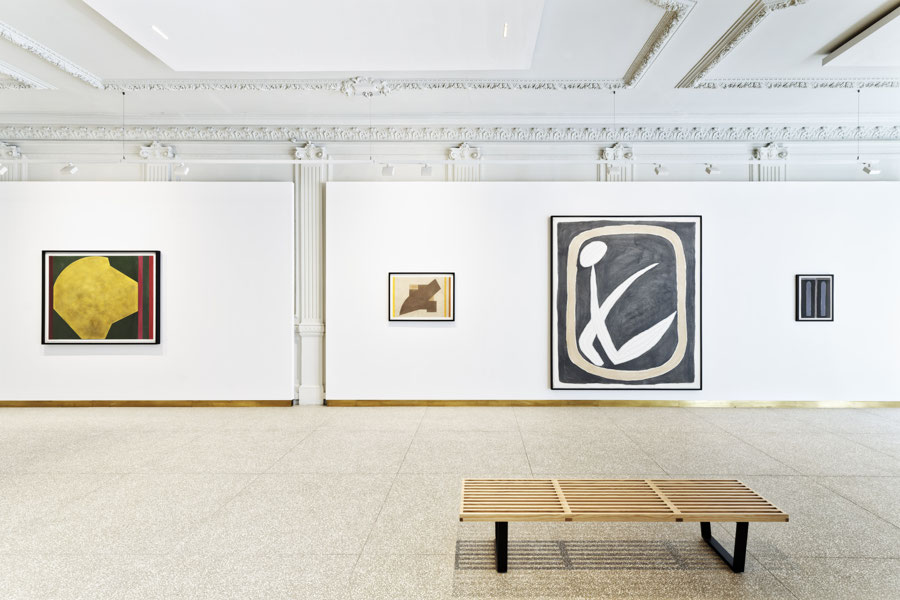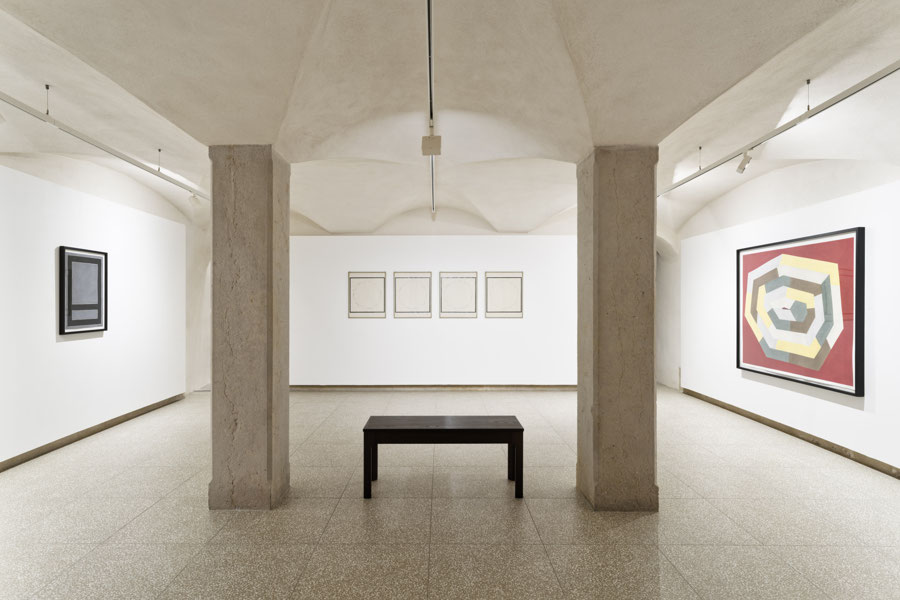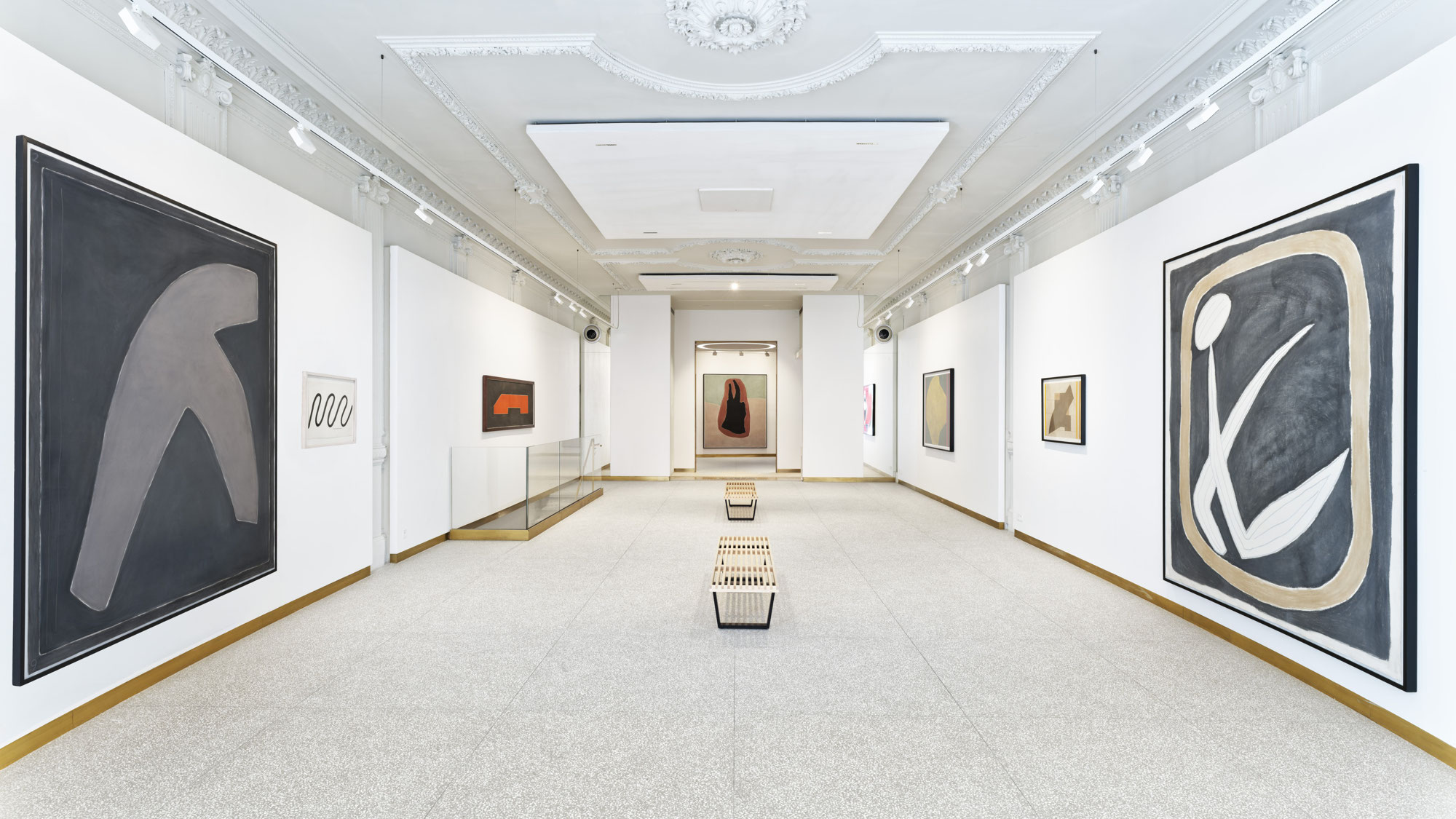
From 10 June to 18 July 2026, Ceysson & Bénétière Lyon is hosting an exhibition dedicated to David Tremlett, a leading figure in British abstraction
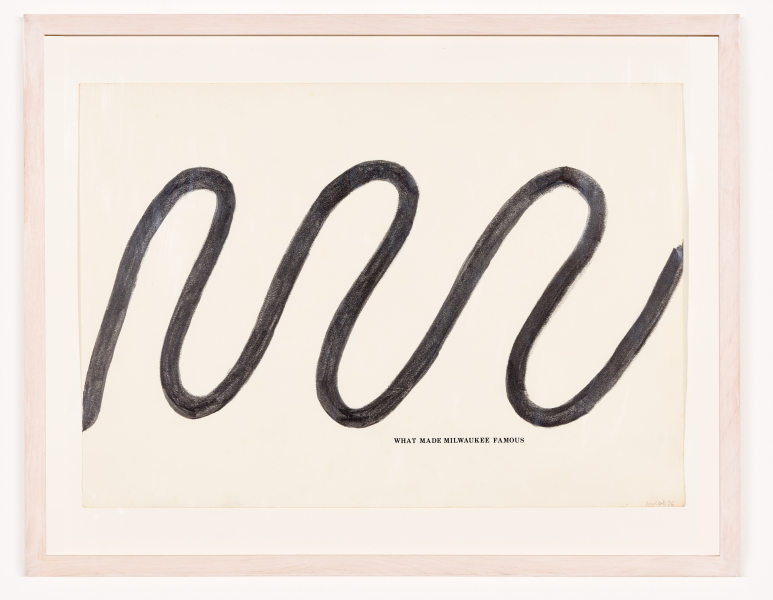
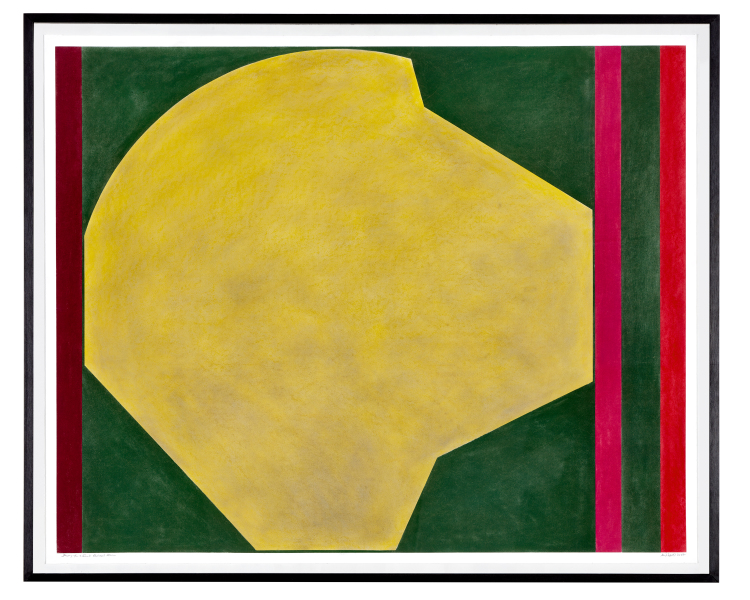
For over fifty years, David Tremlett has been building a unique body of work at the intersection of drawing, architecture and space. Created in pastel or graphite, his compositions transform the surface into a field of tensions, rhythms and movements. Colour never acts merely as a decorative element: it structures the space, directs the eye and physically alters perception.
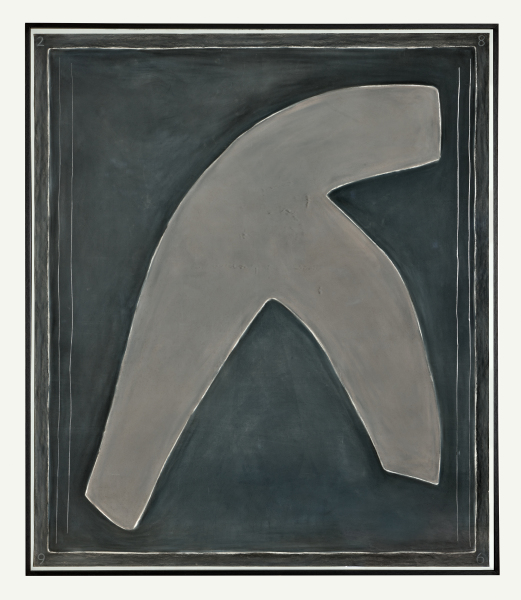
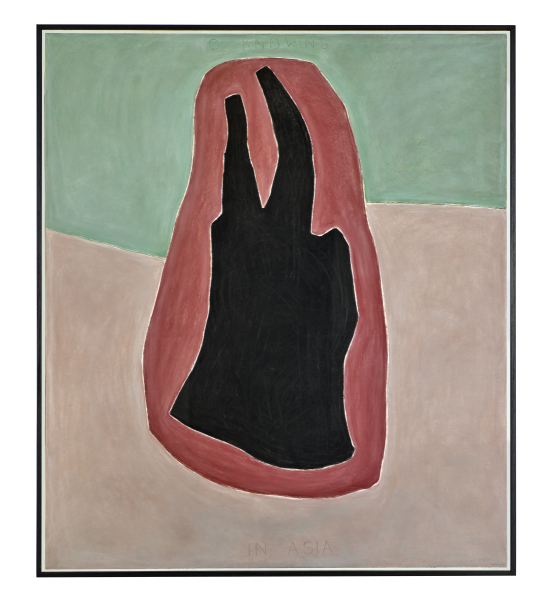
The selection on display brings together major works from the 1970s to the present day, allowing visitors to trace the evolution of an immediately recognisable formal language. The large pastels of the 1980s — Untitled Mexico1 (1984), No Knowing in Asia (1985) and 9,2,86 (1986) — bear witness to a pivotal moment in Tremlett’s practice, when drawing began to move beyond the traditional frame towards an architectural experience. The geometric forms seem to extend beyond the support, as if the works were already seeking to occupy the wall and the surrounding space.
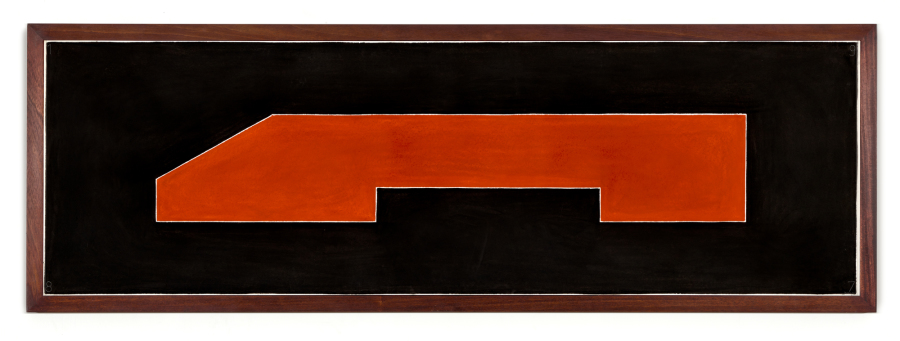
This relationship with architecture runs through his entire body of work. Trained as a sculptor, Tremlett developed a practice very early on that rejects the autonomy of the object in favour of a dialogue with the surroundings. The compositions do not represent space: they construct it. Angles, flat areas of colour, oblique lines and chromatic balances create silent structures that directly engage the viewer’s body.
Pastel plays an essential role here. Applied by hand and rubbed directly onto the paper, it retains a powdery, fragile texture that contrasts with the rigour of the geometric constructions. This tension between stability and vulnerability gives the work a distinctive presence: the forms appear structured whilst remaining open, sensitive and precarious.
Several titles evoke places or journeys — Mexico, Siam, Zanzibar, Central Finland, Songwe Wongwe. Yet the works never belong to the realm of the travelogue or documentary representation. The geographical references function instead as starting points absorbed into an abstract vocabulary. This exhibition specifically chooses to view this dimension from a distance. Travel is not celebrated here as a romantic mythology of the nomadic artist, but considered as a component of a Western practice of mobility and aesthetic appropriation of the world.
Through this seemingly universal geometric abstraction, Tremlett’s work raises important critical questions today. How does a place become a form? What remains of cultural or political realities once they have been translated into the language of abstraction? The works thus generate a fruitful ambiguity: they oscillate between a sensitive awareness of the spaces traversed and the neutralisation of their singularities.
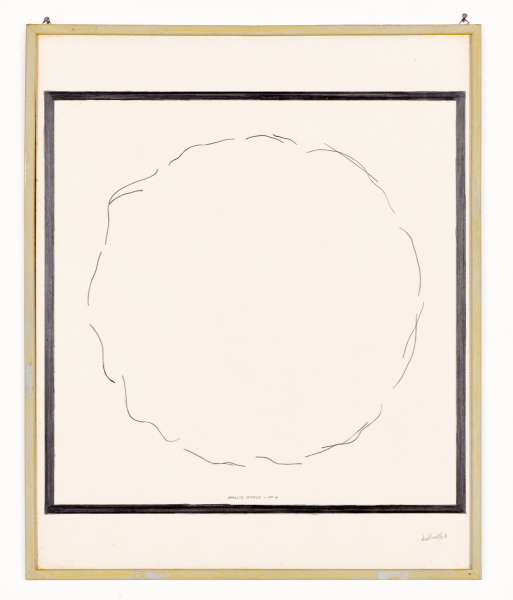
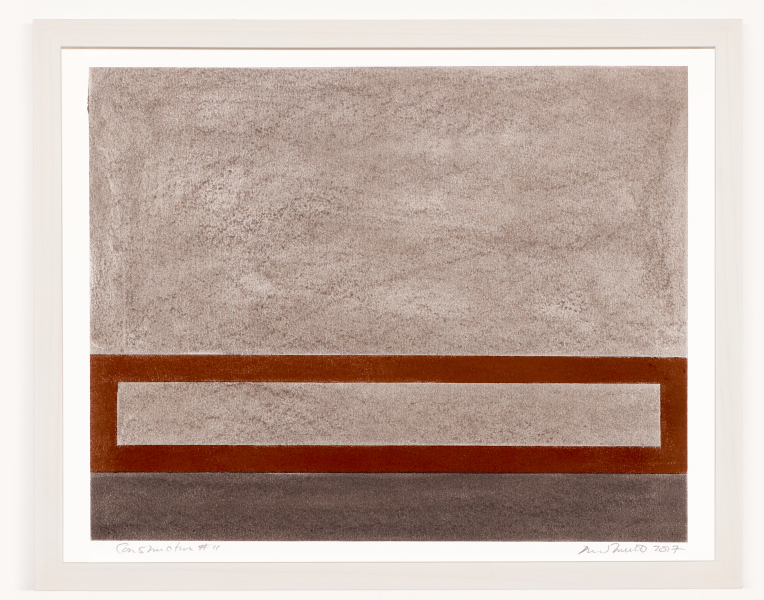
Recent pieces, such as Drawing for a Small Enclosed Room (2022), Add and Subtract ‘b’ (2022) or the Construction series (2017), show a shift towards even more reduced and architectural structures. The vocabulary is streamlined around a few essential elements—lines, coloured masses, internal divisions—as if the artist were seeking to achieve a minimal form of spatial organisation.
This selection thus highlights the enduring strength of David Tremlett’s work: a practice capable of occupying space with restraint, of constructing without imposing, and of maintaining, behind the geometric rigour, a profound material and perceptual fragility.