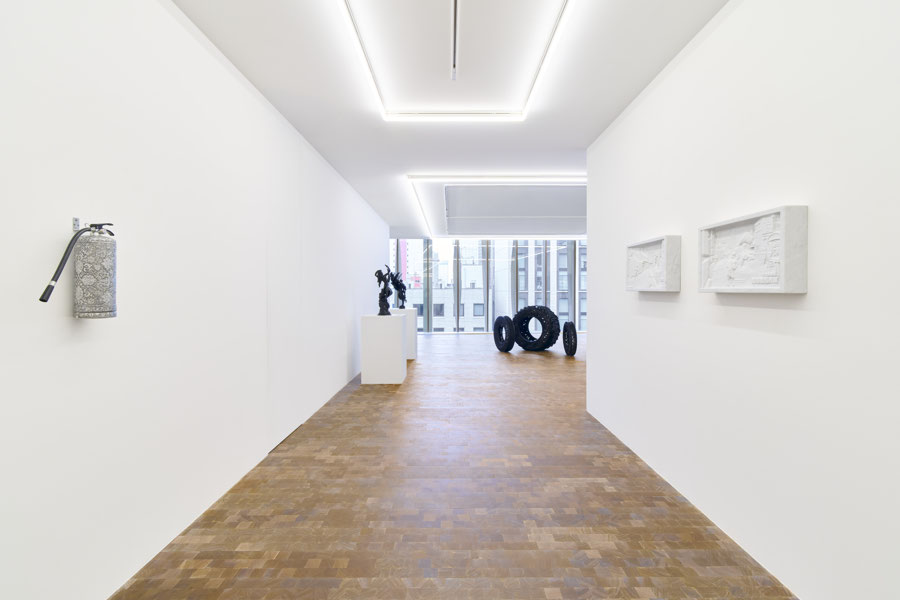
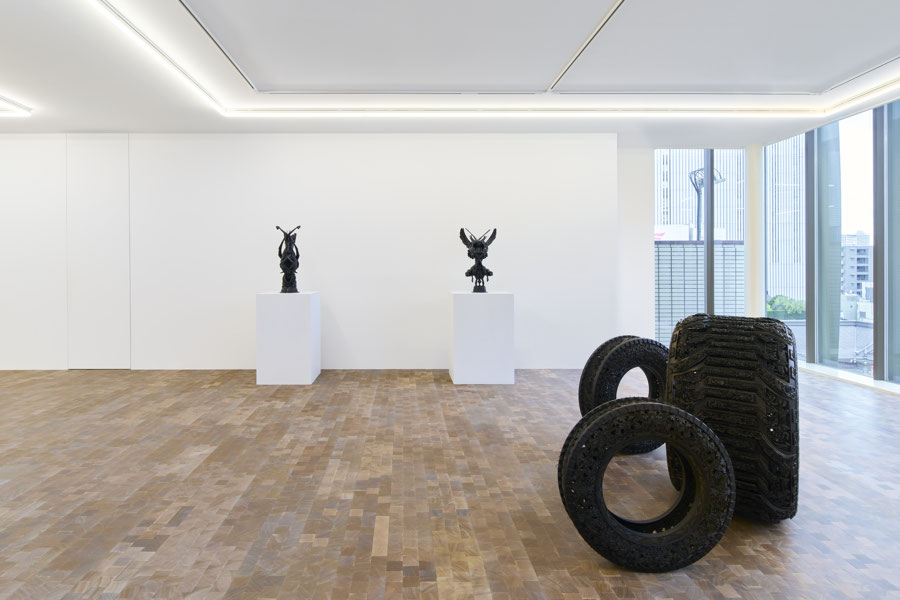
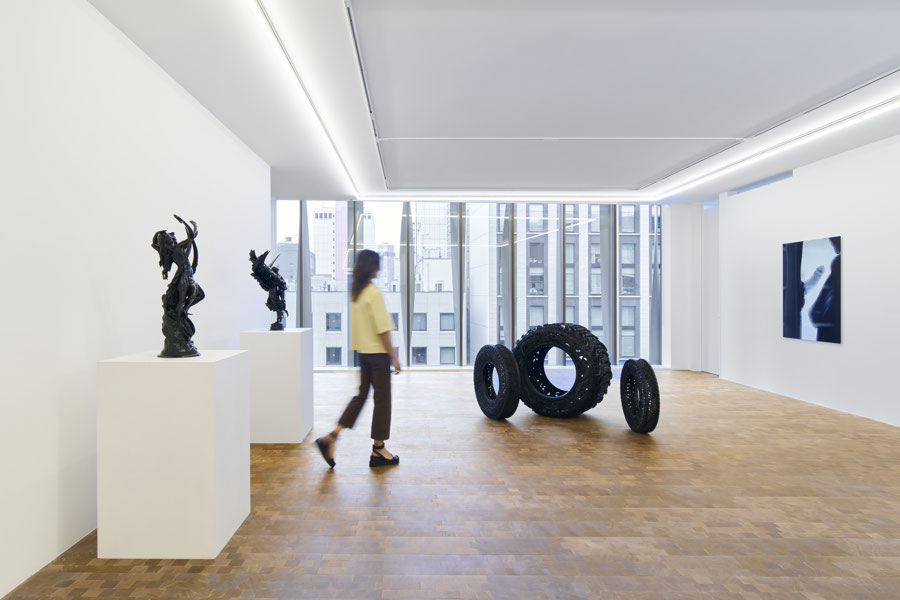
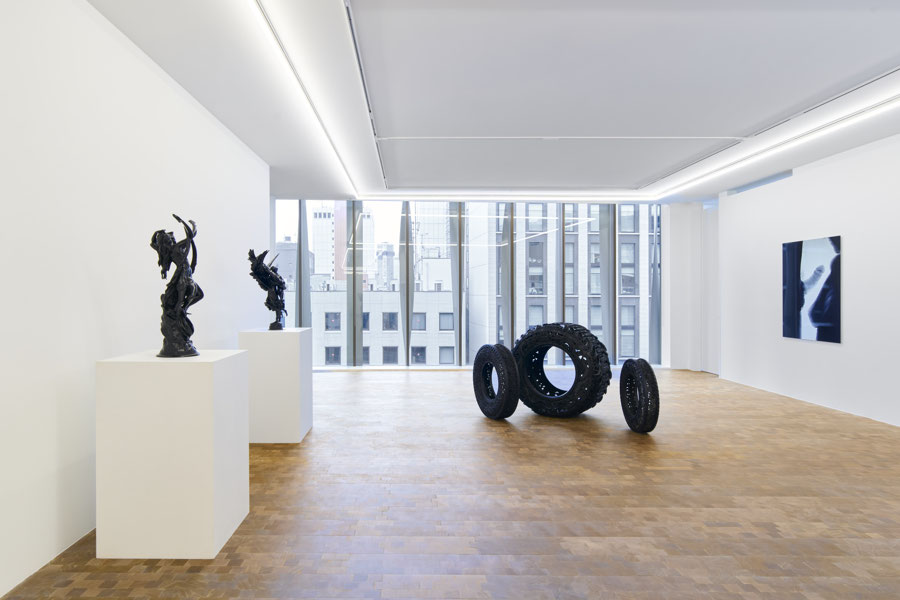
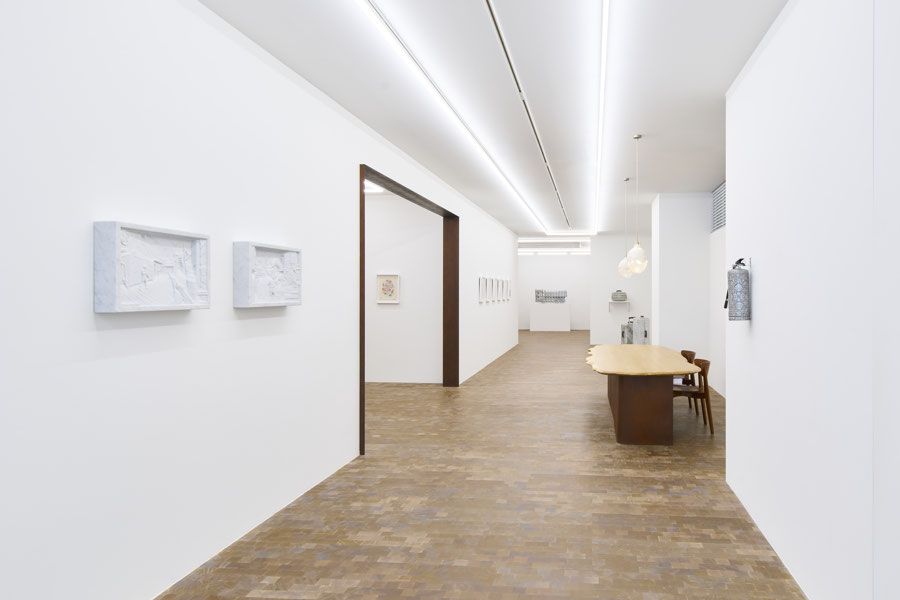
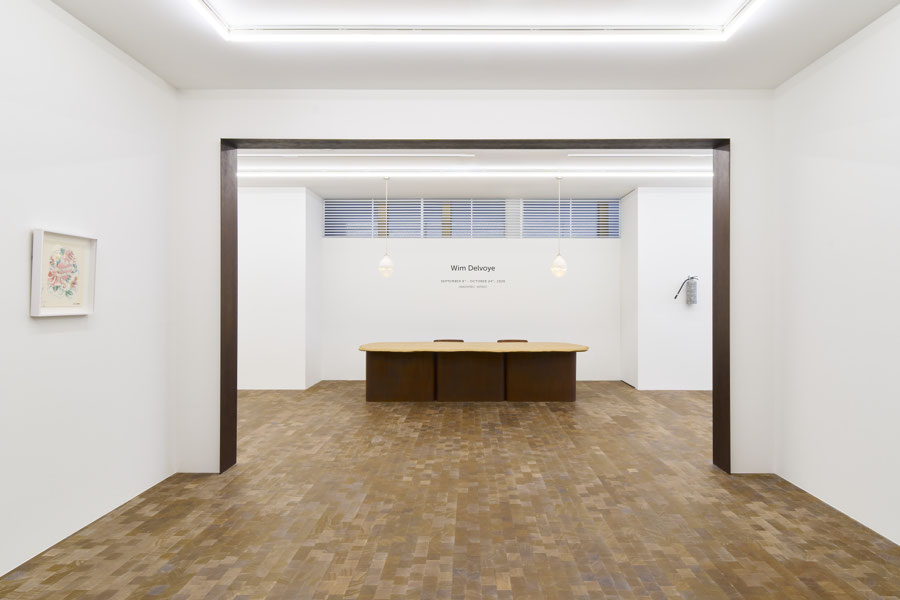
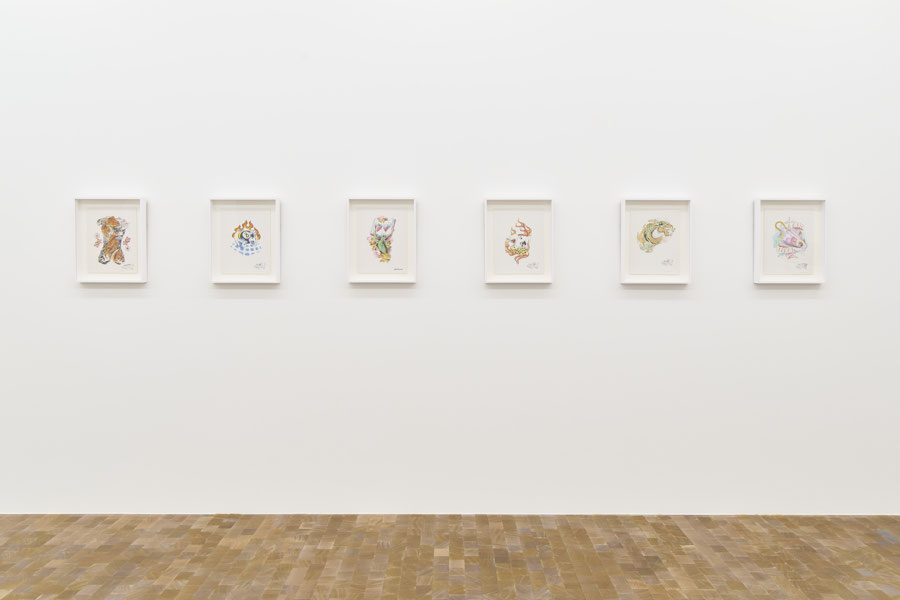
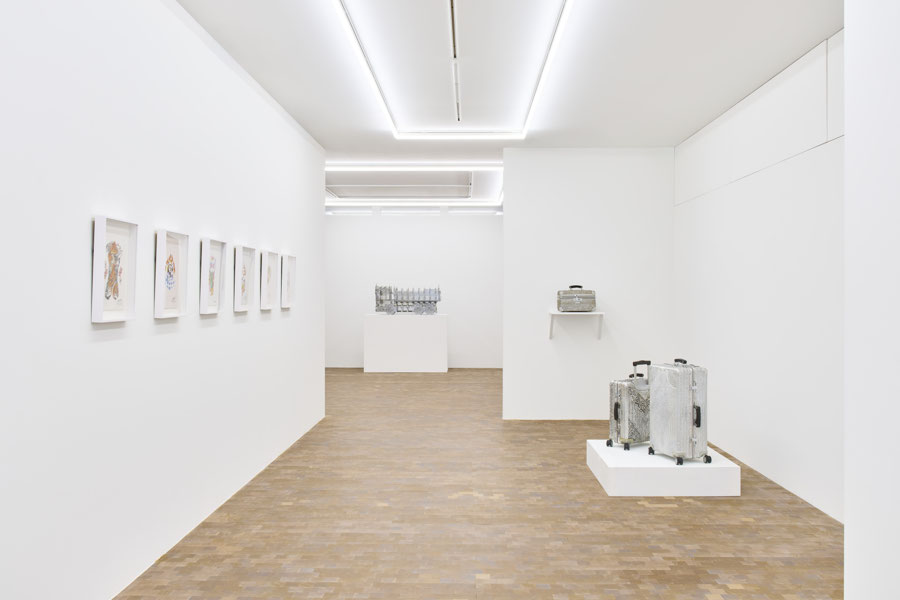
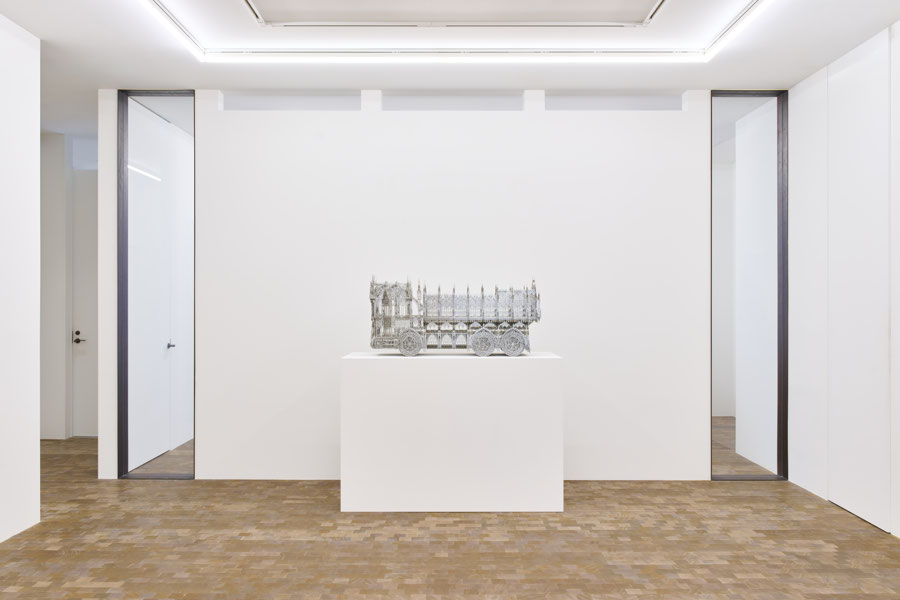
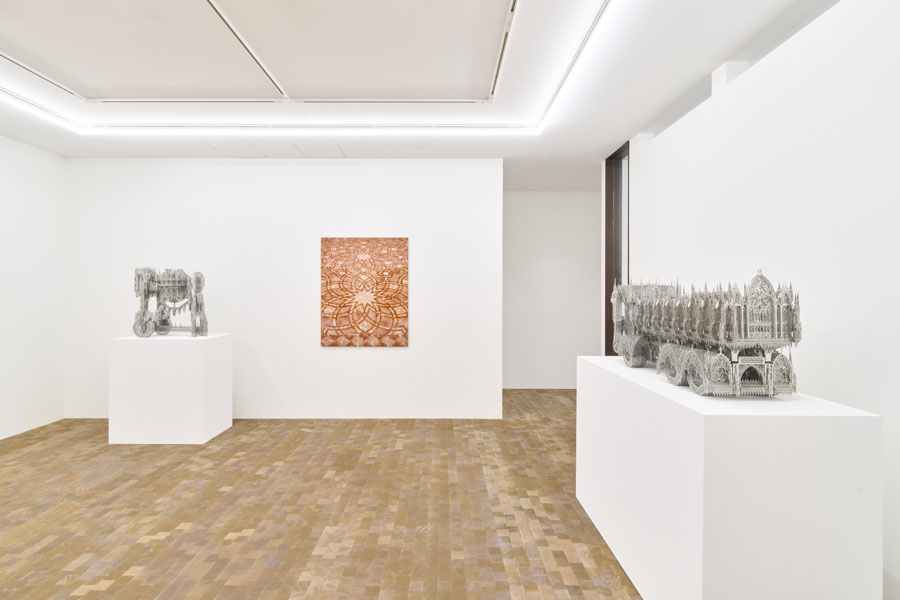
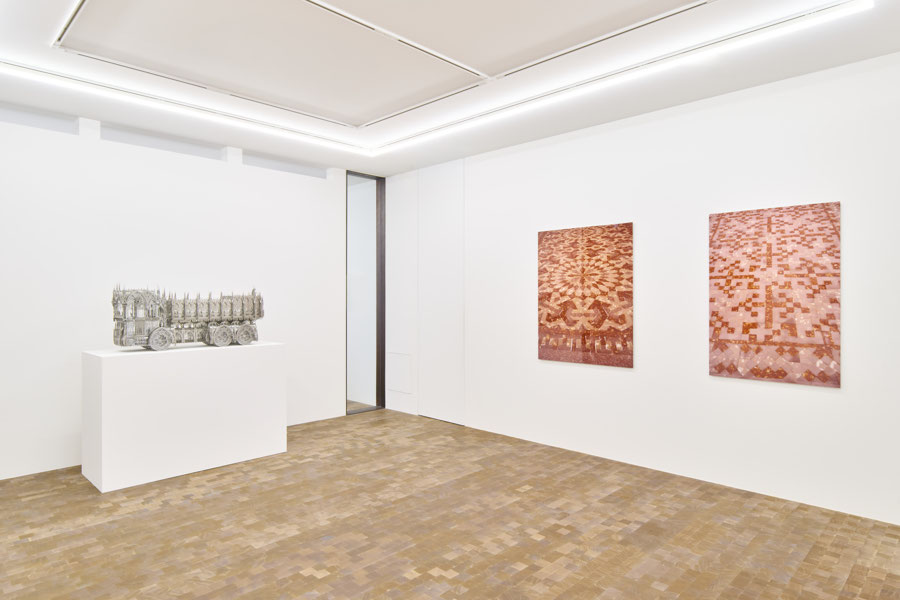
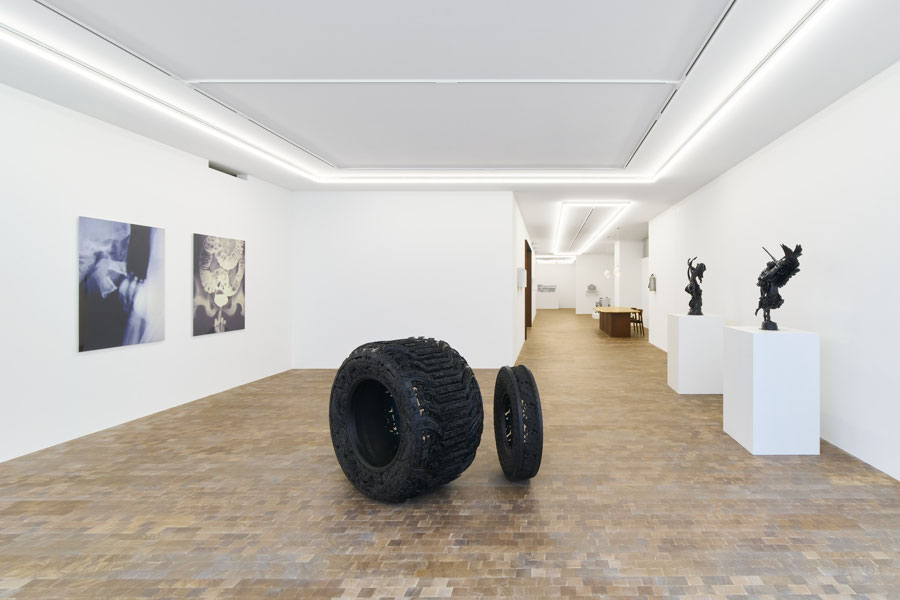
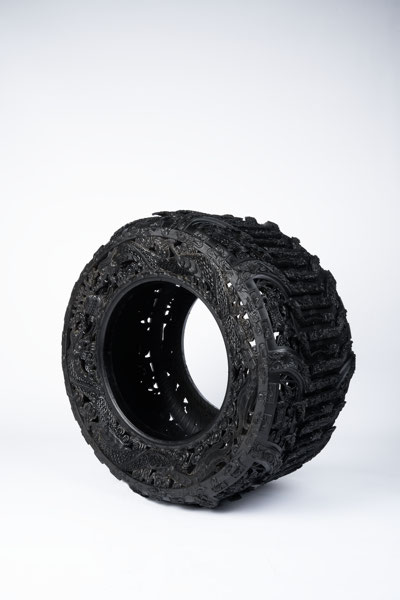
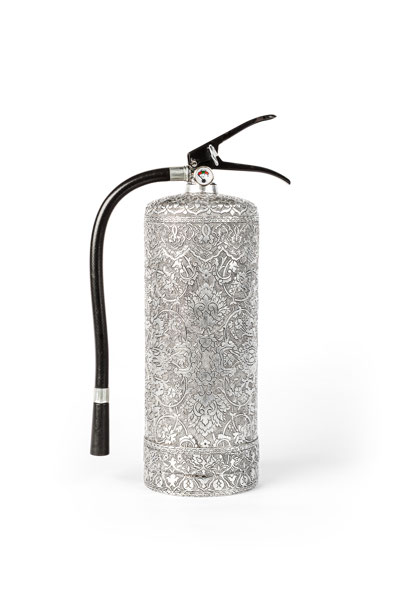
Ceysson & Bénétière Tokyo is honored to present, from September 8 to October 24, 2026, the first-ever solo exhibition in Japan by renowned Belgian artist Wim Delvoye. Created between 2000 and today, thus spanning more than two decades of creation, this body of work highlights the vitality of Delvoye’s artistic exploration and investigation into the objects we live with, interrogating our contemporary world through his iconic vocabulary and signature materials: hand-carved tires, laser-cut stainless steel, or embossed aluminum.
Bringing this selection to Tokyo now offers a timely dialogue with a city defined by the cohabitation of advanced technological practices and a profound reverence for craftsmanship’s savoir-faire. Delvoye’s creations operate within this duality, wisely mingling utilitarian objects with ornamental refinement. He intentionally leans into the trivial, using the most commonplace items of daily life to explain the complexities of contemporary society. Each artwork functions as a fable that uses everyday forms to deliver a deeper comment on value, beauty, and human nature.
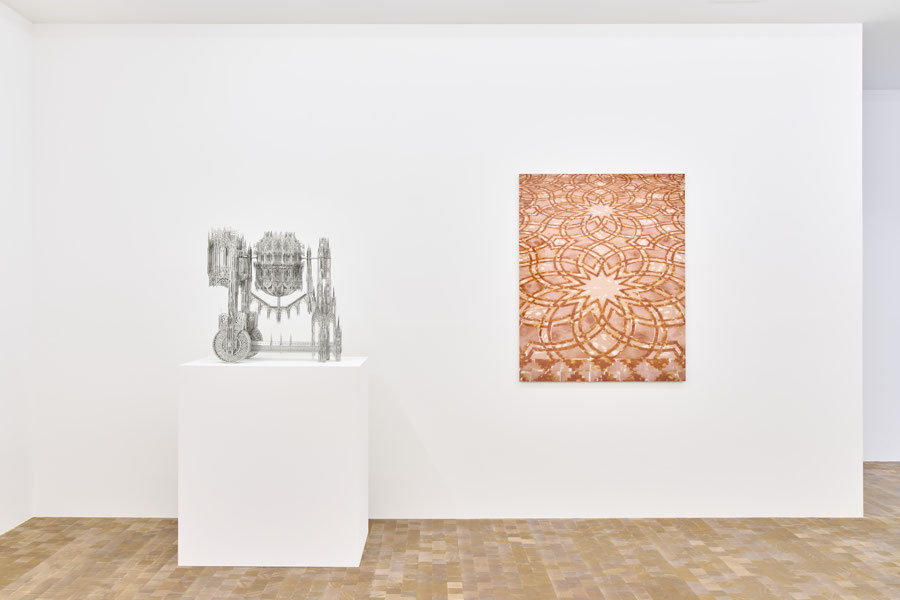
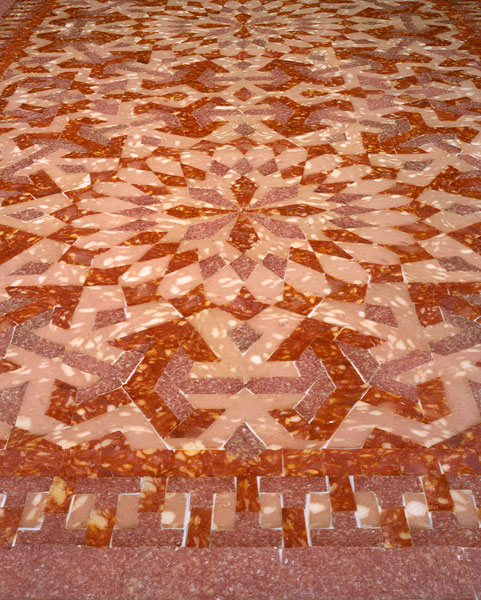
His seminal works from the early 2000s include his X-ray works (Butt 1, Dick 2, and Suck 1), parables of intimacy that reveal the visceral realities of the human body through a clinical lens. This dialogue with materials extends to his Marble Floors: photographic illusions that transform deli meats into the elegant floor patterns rooted in ancient Rome and Italian Renaissance architecture.
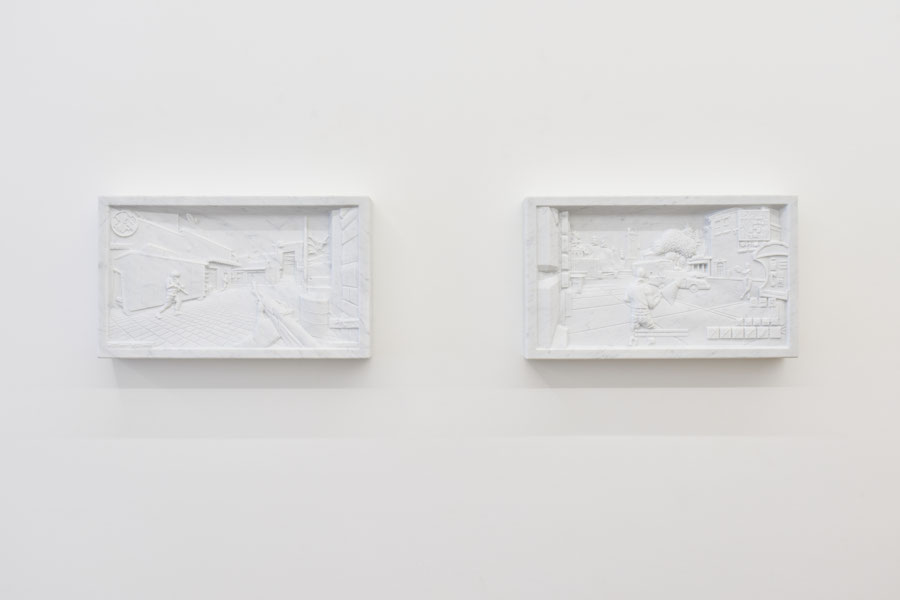
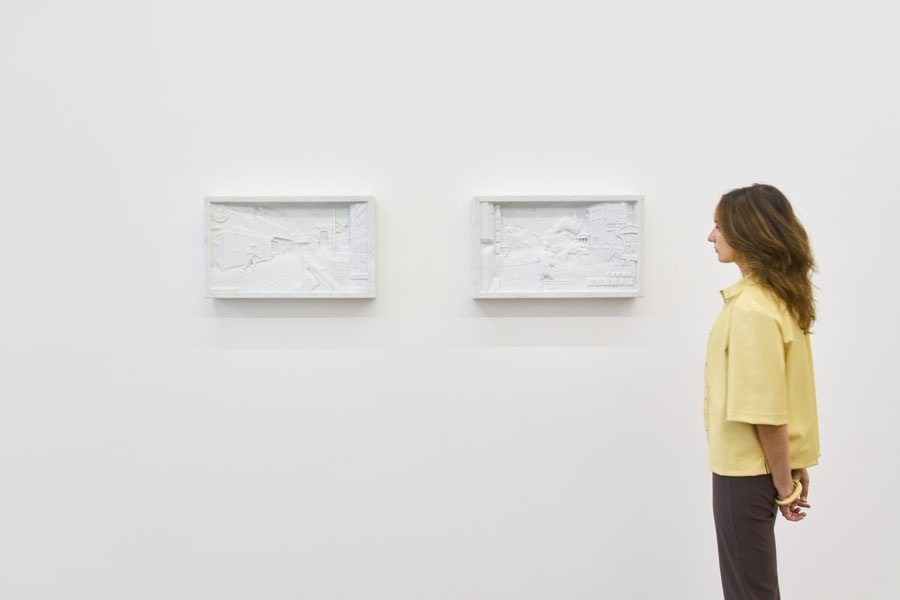
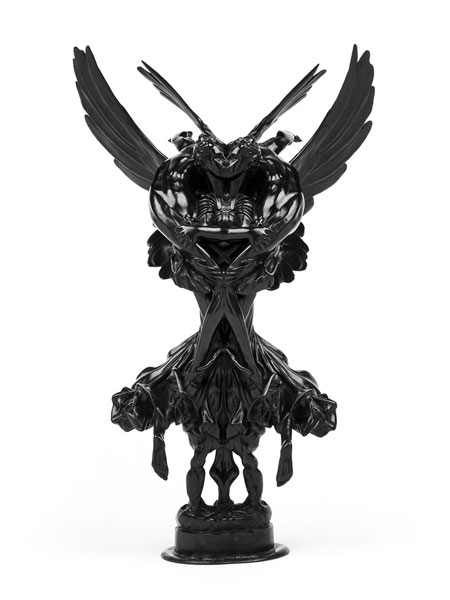
The exhibition sheds light on how traditional techniques are being used differently in the digital age, transforming either how we manipulate the medium, or what that medium is used to depict. In his Rorschach bronze sculptures, Delvoye reimagines classical figurative forms by stretching them into mirrored distortions. This psychological motif plays with our perception, inviting viewers to look at traditional sculpture through a completely new lens.
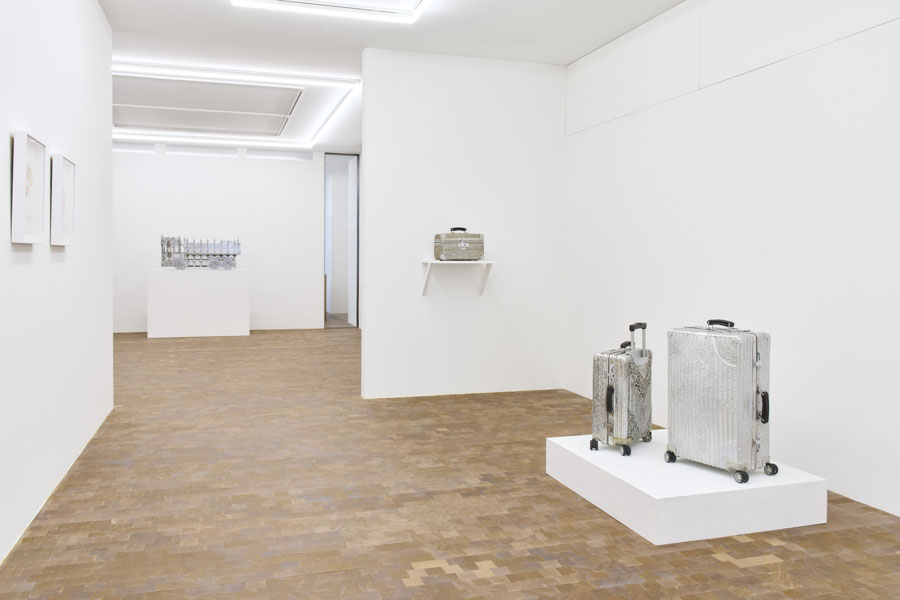
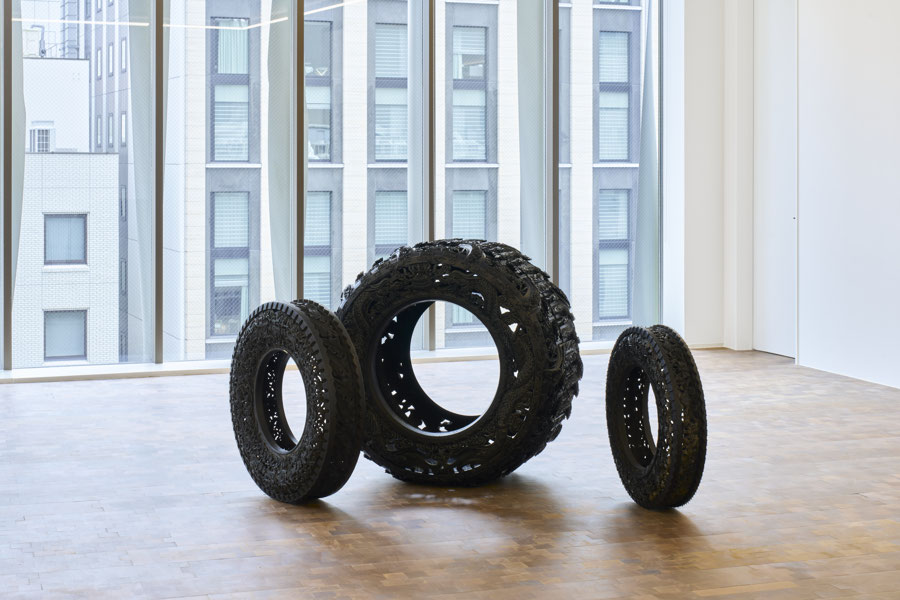
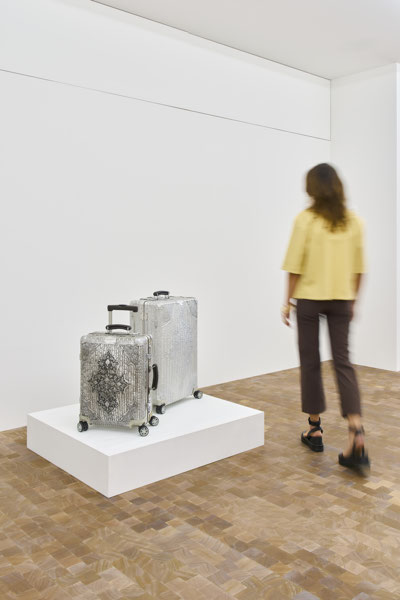
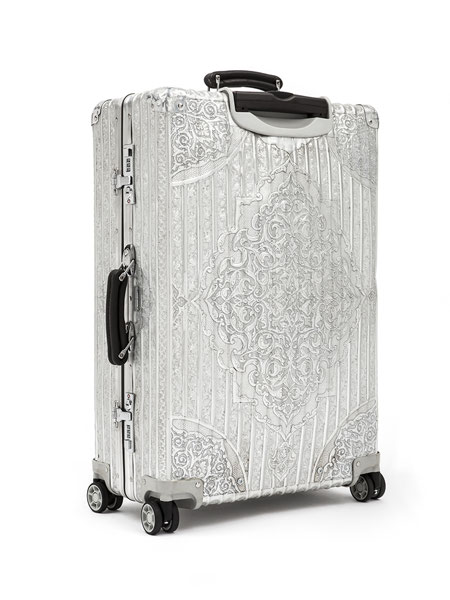
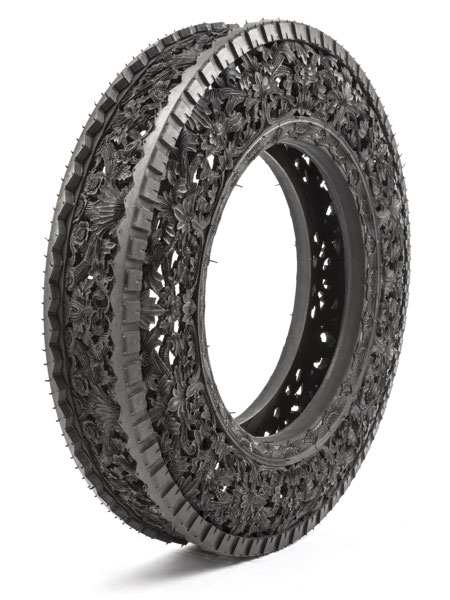
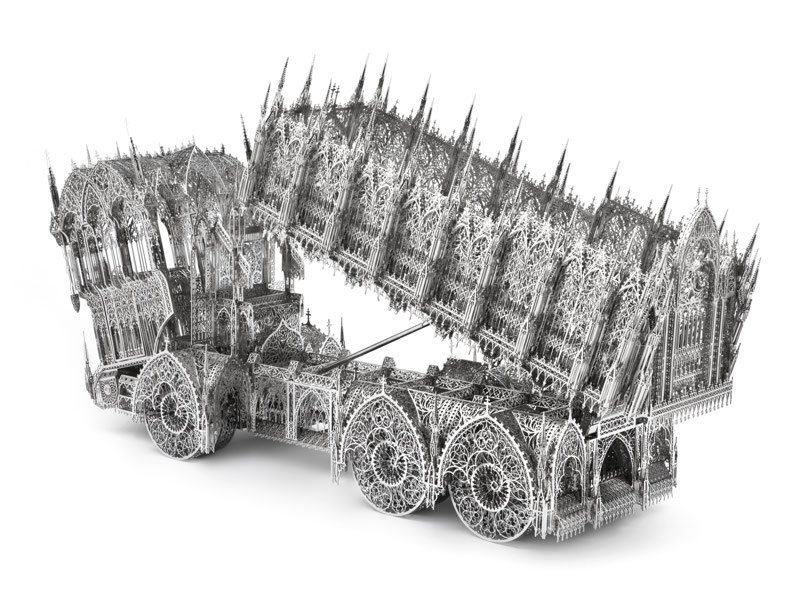
Delvoye masters the art of transforming the trivial through scale and material. Industrial objects lose their utilitarian value to become precious artifacts: tires are hand-carved with intricate motifs, while construction vehicles like the Dump Truck and the Concrete Mixer are reimagined out of laser-cut stainless steel, twisting heavy industrial structures into the delicate geometry of Gothic lace. This tension between mass production and refined craftsmanship particularly resonates in his iconic Rimowa suitcases. True "hybrids", as Wim Delvoye likes to call them, blending luxury design, industrial manufacture, and handcraft, these aluminum surfaces are engraved and manually hammered. By pushing ornamentation to its limit, Delvoye transforms these utilitarian ready-mades into unique sculptures, questioning the porous boundary between a functional object, a status symbol, and a work of art.
By gathering these diverse yet conceptually unified series here in Japan, Ceysson & Bénétière Tokyo invites viewers to experience the full breadth of Wim Delvoye’s universe, an archive of the 21st century made of everyday parables that are simultaneously provocative, undeniably appealing and intellectually stimulating.