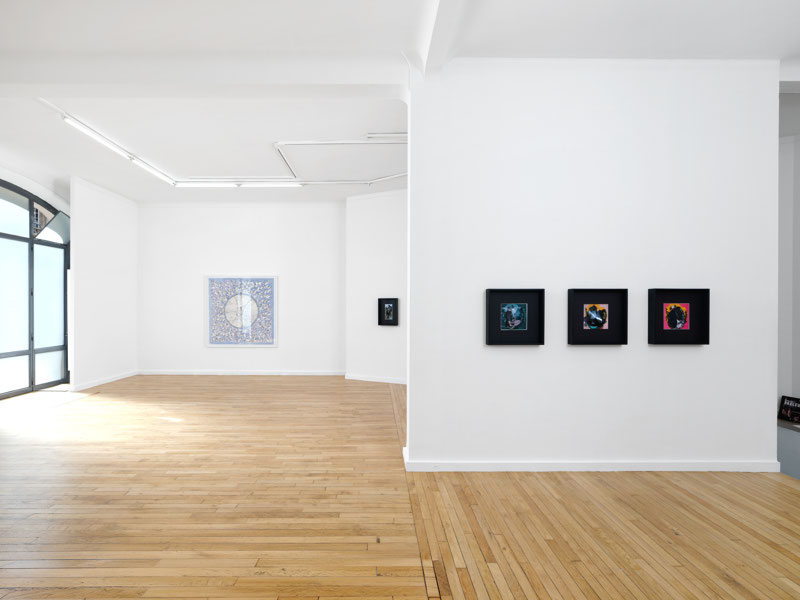
From September 3 to October 10, Ernest Breleur presents his first exhibition at Ceysson &
Bénétière in Paris.
Ernest Breleur : Traverser le vivant
Presented at Ceysson & Bénétière, this debut exhibition, with the sweep of a retrospective,
highlights the trajectory of Ernest Breleur, a visionary icon of contemporary art. A visual thinker
deeply connected to the ideas of Édouard Glissant and Patrick Chamoiseau, among others,
Breleur has demonstrated for decades that artistic inquiry is an essential engine of philosophy.
Exploring the metaphysical tension between the first and last breath, the artist interrogates this
beginning, this end, this journey, and what remains when life comes to a halt: the trace, the
vestige, the imprint of an existence.
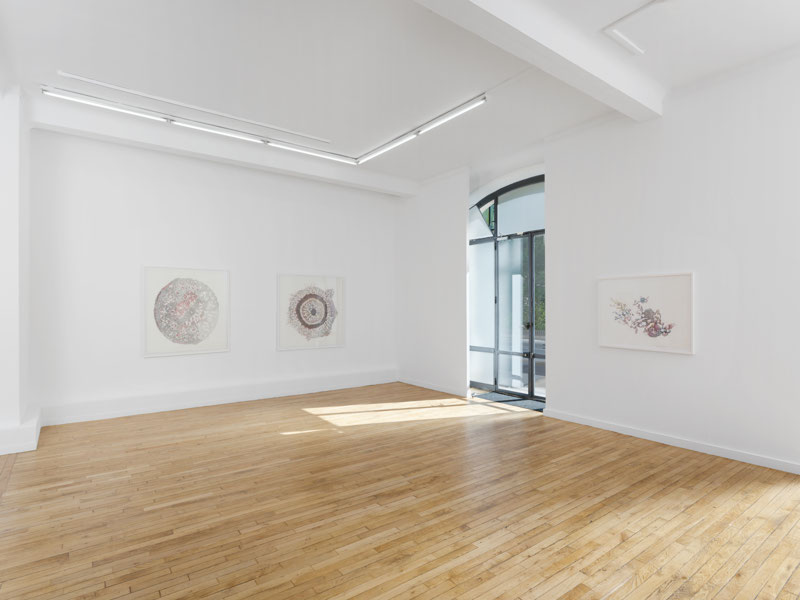
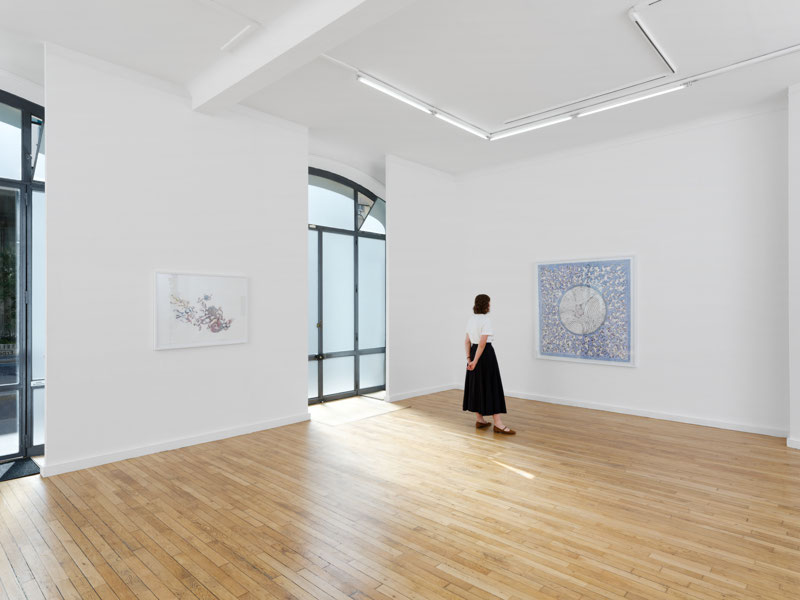
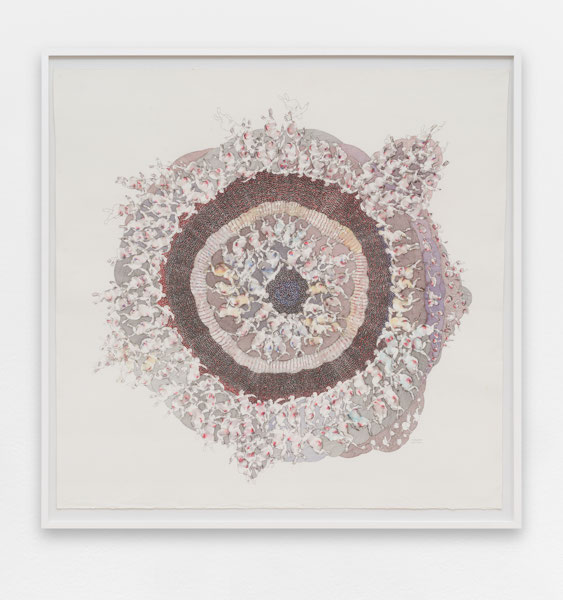
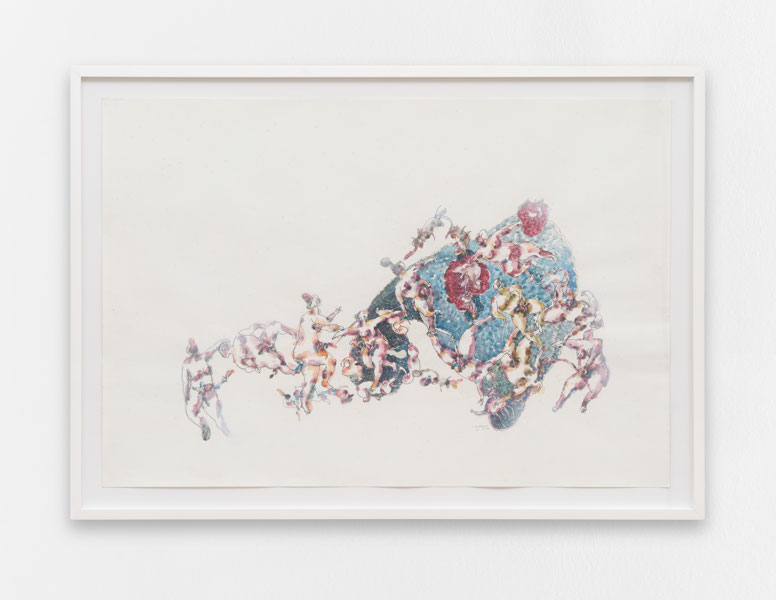
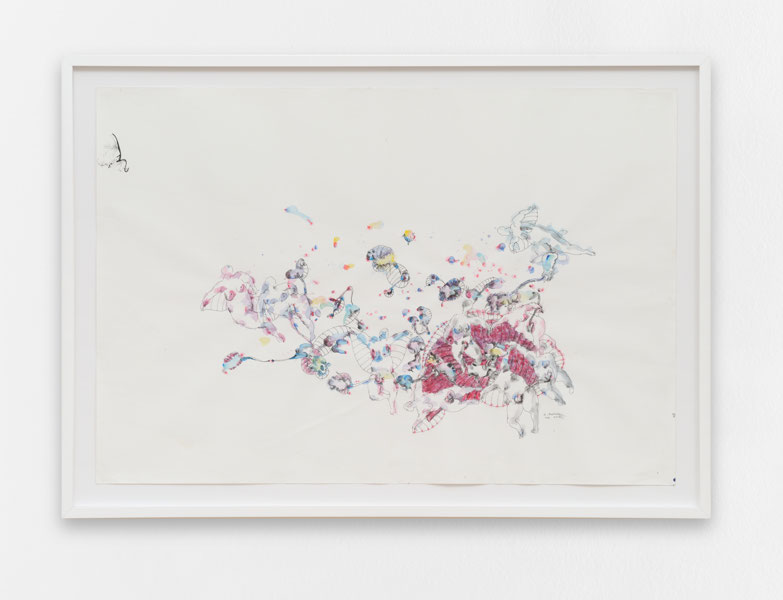
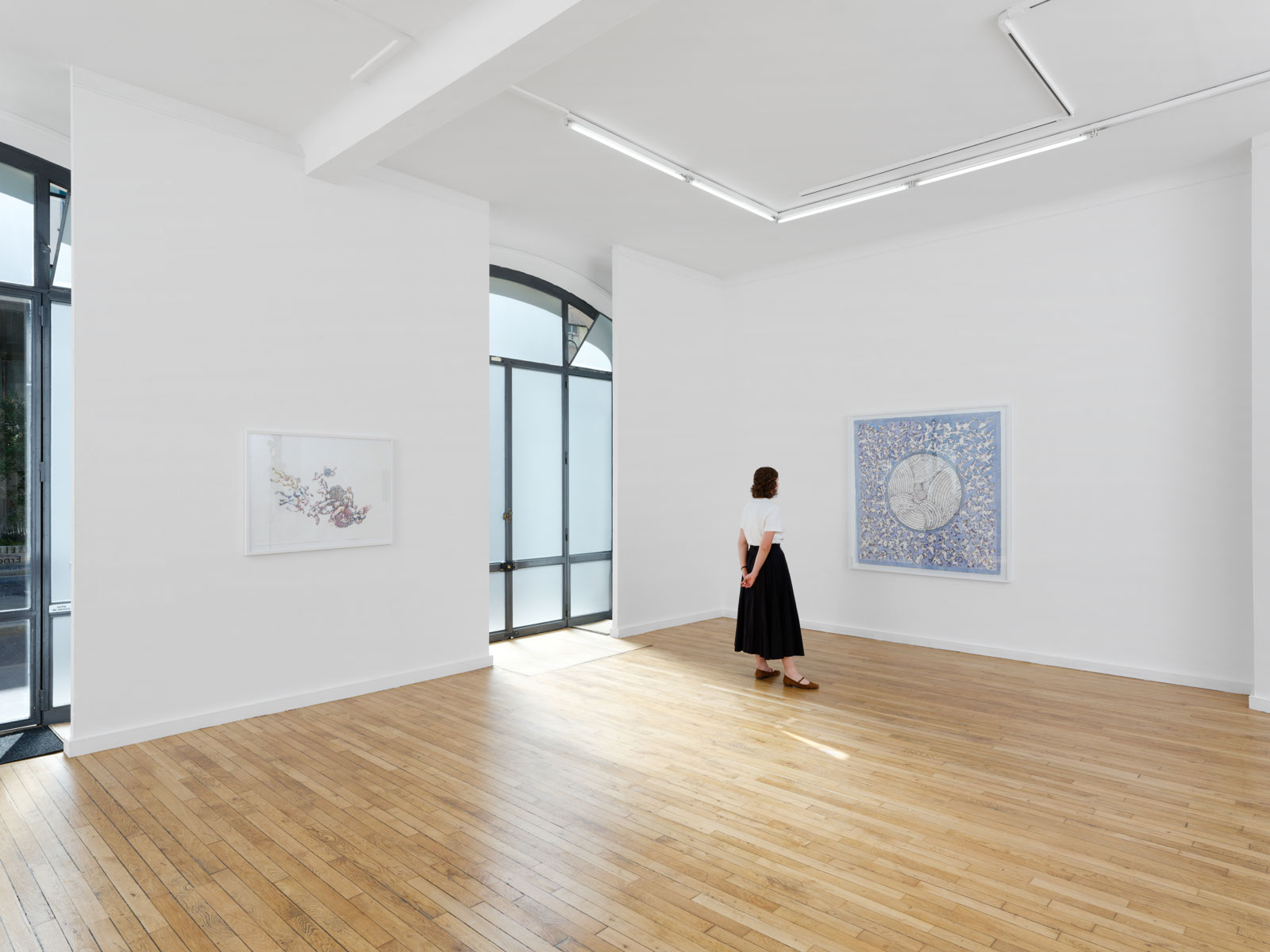
In the series L’Origine du monde (2013) and L’Énigme du désir (2014), Breleur celebrates the
passage into life, reclaiming the original intent of Courbet’s masterpiece. Here, nudity is no longer
scopic but matrixial, captured in its generative impulse. His felt-tip line echoes the simplicity of
Matisse and the airy lyricism of Chagall as the artist summons the masters. Floating bodies align
in circular movements, forming a ritual dance where humanity converges. These tondi celebrate
life and its passages. Breleur shifts the center of this erudition, founding a horizontal cosmogony
where beings aggregate in all their diversity.
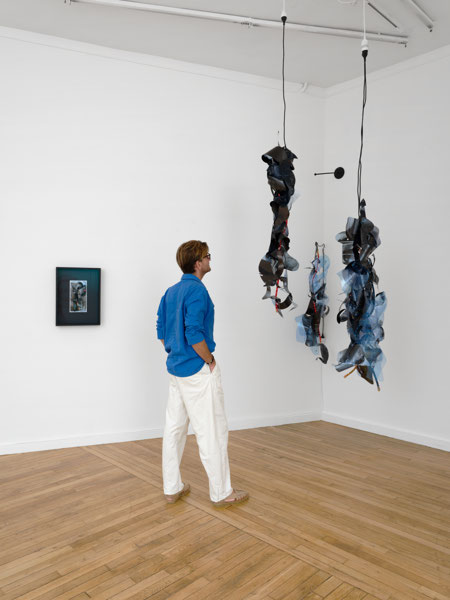
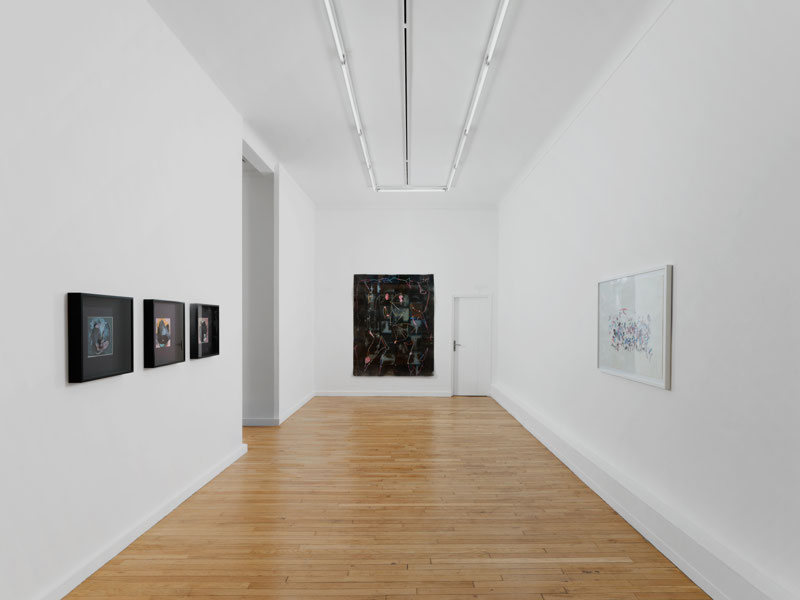
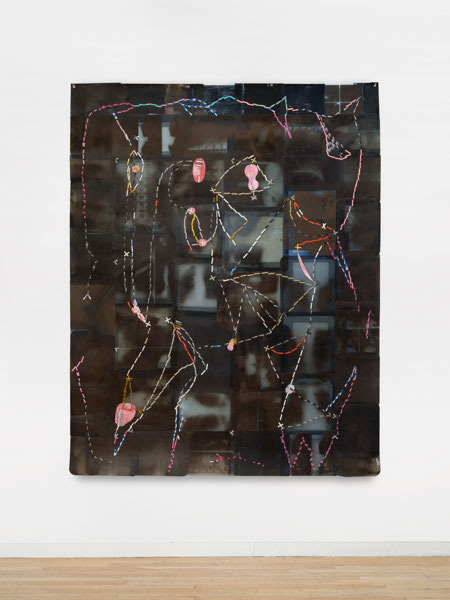
Answering this first breath is the shift toward disappearance and the flip side of the body. As early
as 1972, marked by a temporary break from the medium of painting, X-rays became a new
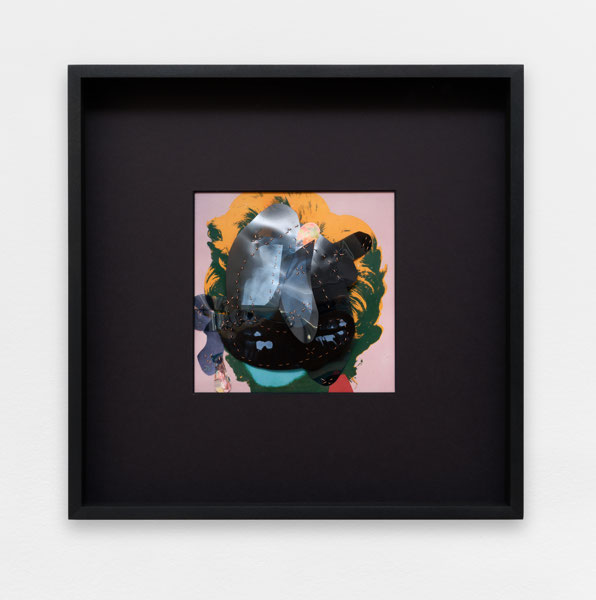
material, giving rise to an aesthetics of translucency. In the Série des Marilyn (2010), as in Portraits
sans visage, Breleur works through sedimentation. By collaging medical imagery and stapling
screenprinted paper, he crafts an anti-portrait. He reveals the fading of ideal beauty as flesh gives
way to bone. This gesture echoes Patrick Chamoiseau’s La Matière de l’absence, published
shortly after this quest began: Breleur materializes emptiness, while reminding us that certain
icons, like Marilyn Monroe or Andy Warhol, continue to inhabit our collective memory well
beyond their own physical dissolution: they endure.
The exhibition at Ceysson & Bénétière celebrates an artist of immense technical freedom, who
paved the way for generations of creators by refusing to be confined to a single medium or label.
By bringing together these iconic series, the gallery oPers an essential journey where formal
beauty goes hand in hand with rigorous intellectual depth, a unique perspective that dares to
recenter the world around its own singularity.
Salimata Diop, 2026