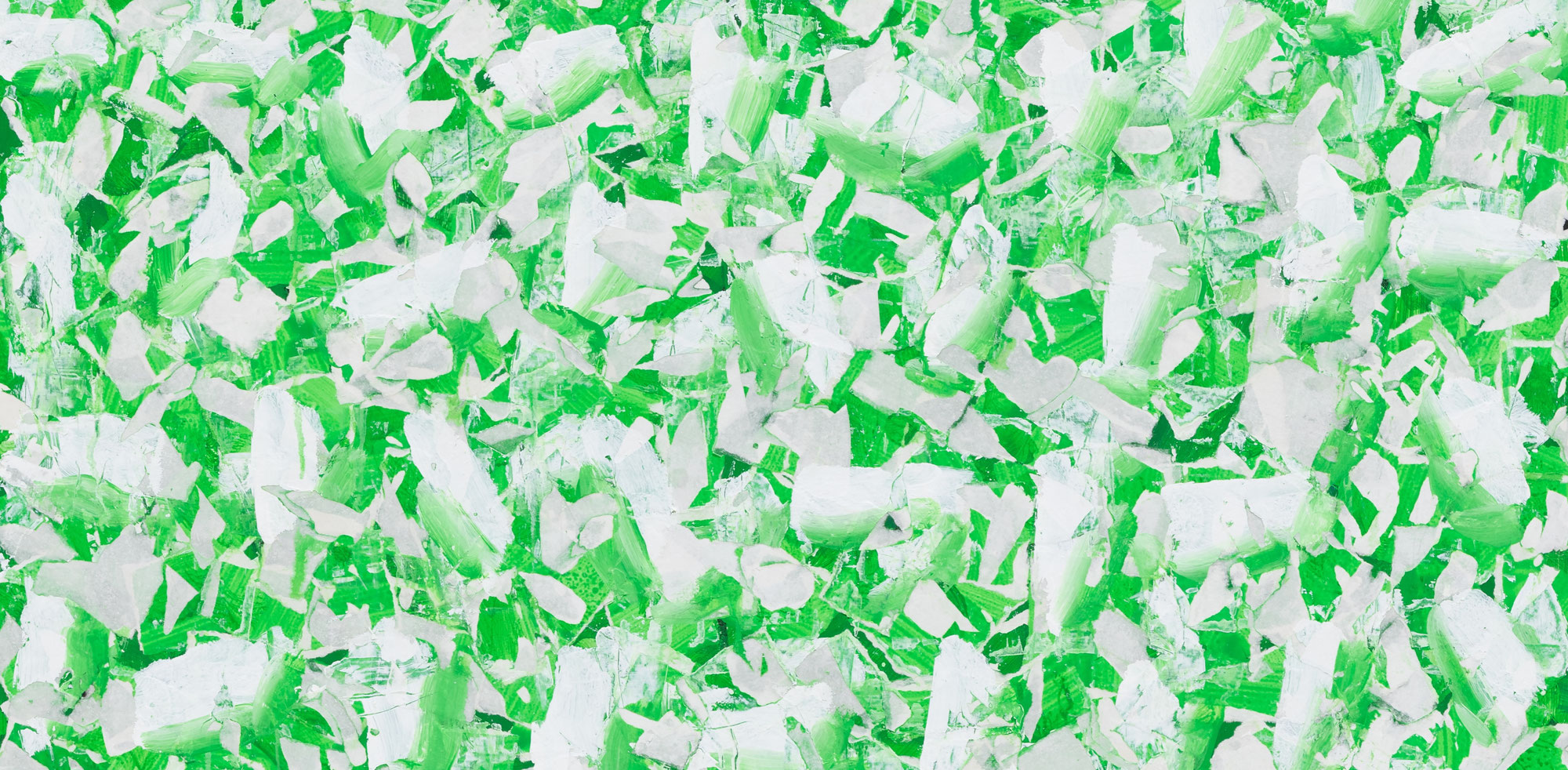
From October 20 to November 28, Nam Tchun-Mo presents a set of recent works at the Ceysson & Bénétière Paris.
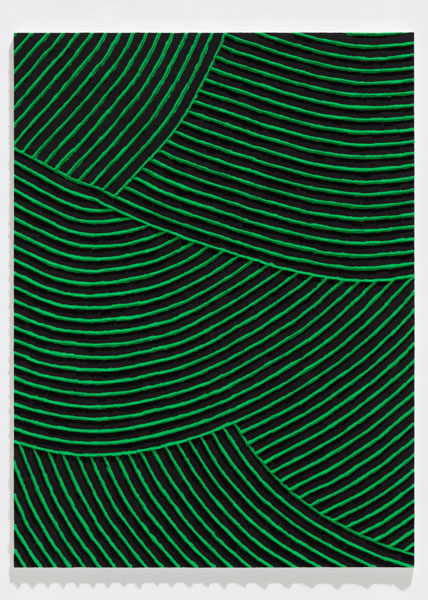
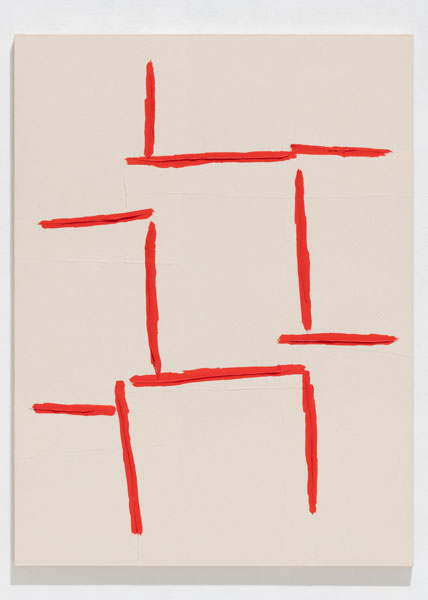
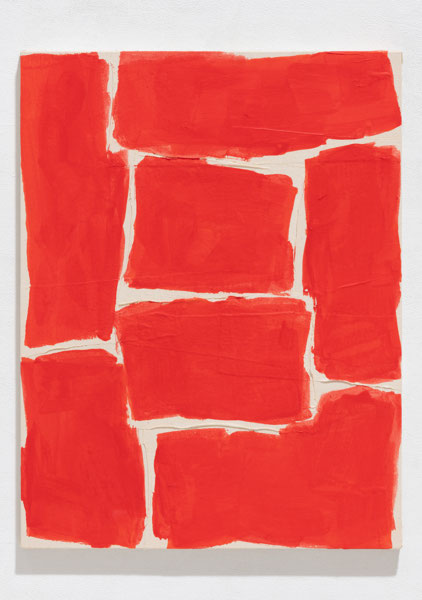
The core formal element of Nam Tchun-Mo’s practice is the line. Beyond simple contours or abstract gestures, his lines incorporate memories of furrowed fields, the Chinese character “井” (jeong, meaning “water well”), and elements of traditional architecture, such as lattice windows and rafters. His lines contain the temporality of his own repetition and rhythm, while also creating a sense of space and visual order within the painting.
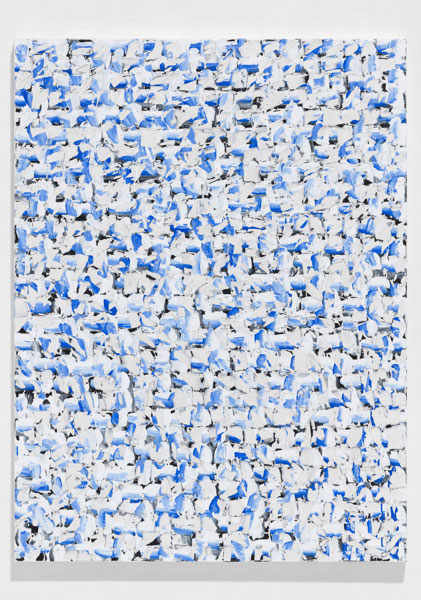
These properties of the line form the “sensory structure” of Nam Tchun-Mo’s work, organically organizing the formal elements—line, color, texture—to stimulate the viewer’s vision and induce a distinctive aesthetic experience. Transcending mere visual expression, his lines generate their own rhythm and spatiality, drawing viewers into a complex realm where time and matter, memory and sensation intersect. His repetitive labor of accruing lines physically imprints the passage of time onto the surface, effectively transforming each canvas into a stratified layer of sensation that records the trajectory of a life.
Nam Tchun-Mo’s paintings are best understood as the “practice of yuwi” (有爲, “action”), as opposed to the “performance of muwi” (無爲, “nonaction” or “not doing”), a concept often associated with Dansaekhwa (Korean monochrome). Whereas Dansaekhwa has generally been interpreted through the aesthetics of “not doing” or “emptying,” Nam Tchun-Mo uses processes of repetition and construction to demonstrate a “practice of action,” actively reinterpreting the expressive methods and aesthetic values of traditional painting through his use of polycoat (a synthetic industrial material). Beyond merely imitating the external appearance of tradition, he uses polycoat to modernize the structural elements of traditional architecture (e.g., rafters, roof tiles, doors, and lattice windows) and translate the spatial symbolism of the character “井” (jeong) into the language of abstraction. In doing so, he transforms and revitalizes the structural thought and sensibility of tradition.
Extract from Nam Tchun-Mo : A well that never dries, Bae Wonjung, 2026